
Graduate Program Director
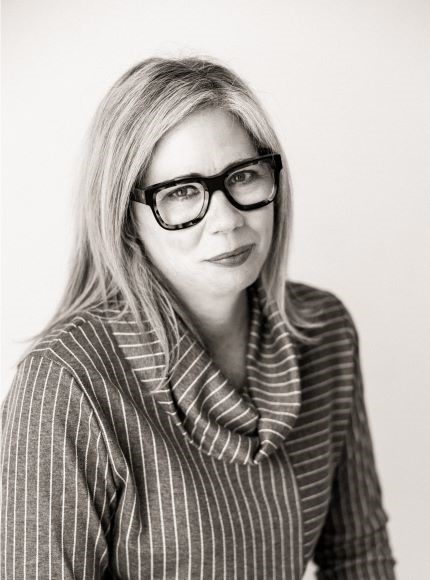 Stephanie Rutherford, PhD
Professor | School of the Environment
Director | MA Program in Sustainability Studies
Trent University
www.mapping4change.org
www.stephanierutherfordphd.com/
Biology
David Beresford, B.Sc., Ph.D. (Trent), B.Ed. (Queen's)
The role of small scale farms (often called hobby farms or homestead farms) for protecting biodiversity within the Otonabee region watershed. Dr. Beresford's main focus is the importance of farm infrastructure such as adventive hedges, rail fences, and stone piles as habitat for pollinators and other beneficial insects.
Neil Emery, B.Sc., (Queen’s ), Ph.D. (Calgary)
Growth regulating molecules that are known to act as hormones in plants and other organisms. Some of the work focuses on how those hormones change growth and development in plants and the practical impacts that can result – like increasing seed yields of crops. He works with agri-business in developing biofertilizers for more sustainable for cropping systems and with companies and agencies that use algae or niche plant culturing systems with a view to producing high value phytochemicals or bulk protein for food.
Business Administration
Ken Chen, Ph.D. (Laurier), B.B.A. (York)
Research interested include dynamic capabilities, networks, organizational learning, strategic entrepreneurship, collaborative innovation, technology platforms, business models.
Ayman El-Amir, B.A. (American University, Cairo), M.Sc., Ph.D. (Stirling, Scotland)
Social construction of contemporary consumption, consumer behaviour and sustainability issues in branding and retailing, interpretive traditions of inquiry in marketing research, and analysis of the ideological assumptions that underpin marketing activities.
Rob Elkington, Ph.D. (Northwestern)
My research explores a diverse range of contemporary and emerging leadership paradigms that foster sustainability and ethical governance. Key areas of focus include sustainable leadership and followership models, Ubuntu leadership principles, and Indigenous paradigmatic frameworks for sustainability leadership. Additionally, I am interested in exploring models for developing youth leadership within VUCA (Volatile, Uncertain, Complex, Ambiguous) contexts, as well as examining AI-infused leadership and its implications for ethical governance. I also explore global Indigenous leadership perspectives and agile leadership approaches for sustainable AI integration. Furthermore, I frame all of the research with an interest in the intersection between KPIs (Key Performance Indicators) and KEIs (Key Ethical Indicators) in organizational performance. Finally, my research investigates the application of psychometric tools—such as the Ubuntu DI, Fligby, and similar instruments—to enhance leadership and followership development.
Laura Ierfino-Blachford, Ph.D. (McGill), M.B.A. (York), B.A. (University of Toronto)
Laura's research interests broadly include organizational theory and entrepreneurship. Her current work focuses on understanding how small players change organizational fields. Her research has been published in Strategic Organization, Journal of Small Business Management and the Canadian Journal of Administrative Sciences. She has presented her research papers at numerous national and international academic conferences including the Academic of Management and Administrative Science Association of Canada.
Saeid Kermani, Ph.D. (York)
Consumer behaviour and social psychology. His primary research interests revolve around understanding how consumers evaluate and judge themselves along with others and how such judgements and evaluations guide their consumption choices. His research addresses business and societal issues with a particular focus on corporate social responsibility, social activism, and ethics.
Yi Liu, BSc (Northeastern), MSc (Southampton), PhD (McMaster)
Earnings management, corporate governance, economic policy uncertainty, and sustainability issues in corporate financial reporting.
David Newhouse, B.Sc. (Onondaga), B.Sc., M.B.A. (Western)
Dr. Newhouse's work explores the ideas that animate the development of modern aboriginal society and the manner in which traditional thought is incorporated into contemporary social action. He is the Chair of the Indigenous Studies Program at Trent University. For more details including his contact information, please visit his website.
Ali Vaezi, BSc (Sharif), MSc (Politecnico di Malano), PhD (McMaster)
Ali Vaezi is a faculty member in Logistics and Supply Chain Management at Trent University. His research interests include supply chain analytics, supply chain sustainability, risk mitigation, logistics planning, and network modeling. His work emphasizes data-driven decision-making for resilient and sustainable infrastructure and supply chain systems, with applications in transportation safety, emergency response, and network optimization.
Jie Zhang, M.Sc., Ph.D. (Concordia)
Dr. Zhang's research focuses on corporate finance, investments, and financial institutions. She has published work in corporate misconduct, currency hedging, bank liquidity creation, non performing loans, corporate innovation, and share repurchases in finance/accounting journals such as British Accounting Review, Accounting and Finance, Finance Research Letters, International Review of Finance, Asia-Pacific Journal of Financial Studies, and Applied Economics. Her recent interests include climate finance, corporate finance, and generative AI in Finance. .
Asaf Zohar, B.A., M.E.S., Ph.D. (York)
Organizational change and sustainability is focused on the challenges of implementing sustainability strategies and initiatives involving private sector, government, and NGO’s organizations. He has designed and directed courses in strategic analysis, organization theory, critical thinking, and change management at the BBA and MBA, and Executive Development levels, and is a respected authority in the field of sustainability curriculum development.
Child and Youth Studies
Nour Hammami, Ph.D. (Waterloo)
Dr. Hammami (she/elle) is a social epidemiologist who researches intersectional and co-occurring disparities; social and structural inequalities in health; multidimensional wellbeing; social policy; and equity in health policy. Dr. Hammami is a co-investigator with the Health Behaviour in School-aged Children Study which investigates social and health aspects of adolescents’ lives in over 50 countries.
Cultural Studies
Anne Pasek, B.A. (Alberta), M.A. (McGill), Ph.D. (New York)
Interdisciplinary researcher working at the intersections of climate communication, the energy and environmental humanities, and science and technology studies. She studies how carbon becomes communicable in different communities and media forms, to different political and material effects. Her research topics include climate data visualizations, carbon neutral and carbon negative claims, climate engineering, climate denial, and media infrastructures, and feminist technoscience.
Economics
Byron Lew, B.Sc., M.B.A. (Alberta), Ph.D. (Queen's)
Economic History of Canada/North America, International Economics, Diffusion of Agricultural Technology
*Byron is not currently accepting new students for 2026
Saud Choudry, B.A., M.A. (Chittagong University), M.A. (McGill), Ph.D. (Manitoba)
Economics of tourism and politics of water are a few of Dr. Choudry's research interests.
School of Environment
Daniel Amoak, B.A. (Ghana), M.Phil. (Oslo), M.A. (Brock), Ph.D. (Western)
Research focuses on sustainable agriculture, food security, and human health implications of climate-related stressors. Professor Amoak applies an agroecological lens to explore ways of building climate-resilient, equitable, and healthy communities. He is also interested in the links between environment and health, and using community-based participatory research to address social inequalities and support rural development.
Tapan Dhar, B.Arch. (Khulna); M. Urban Design (Hong Kong); Ph.D. (Waterloo)
Tapan Dhar’s research explores the intersection of climate change adaptation—particularly its human dimensions—and the planning and design of the built environment, with an emphasis on climate justice and power dynamics. His work spans a wide range of topics, including community-based adaptation, coastal resilience, sustainable development, ecological urbanism, urban design, social planning, and community development. Through his interdisciplinary approach, Tapan investigates how cities and communities can build resilience and sustainability in the face of climate change, while addressing underlying power imbalances, particularly in marginalized communities and the Global South. He also examines how traditional and ecosystem-based adaptation strategies can inform local climate adaptation plans. He has authored numerous journal articles and book chapters and contributed to the IPCC Working Group II Sixth Assessment Report.
Stephen Hill, B.Sc., B.A. (Queen's), Ph.D. (Calgary), P.Eng.
Climate change policy and energy technology and policy with a focus on local and community scale interventions.
Heather Nicol, B.A. (Toronto), M.E.S. (York), Ph.D. (Toronto)
Canadian and political geography with emphasis on the circumpolar north, Canada-US borders and geopolitics.
Neil Osbourne, B.Sc. (Trent); M.A. (Ohio); Ph.D. (York)
As a social scientist and public scholar, Neil is interested in examining the converging social and environmental issues that narrate our times in changing - and warming - world, along with the effective means to communicate these issues to the public and critical stakeholders to invite meaningful action. More specifically, his research aims to understand better the media's effect on audiences' real-life morals, values, and behaviours, including how narratives of all kinds can more effectively foster sustained engagement with solutions to the climate crisis.
Roger Picton, B.A. (Trent); M.A. (Carleton); Ph.D. (Toronto)
Research and teaching interested include fieldwork and experiential learning; planning and urban waterfronts; brewpubs and post-industrial redevelopment; critical and practical perspectives on urban life; human geography: urban geography, urban planning, urban environments, and the geography of beer
Stephanie Rutherford, B.A. (University of Toronto), M.Sc. (Guelph), Ph.D. (York)
Cultural geographer who works in the areas of political ecology, environmental justice, the environmental humanities, and animal studies. She currently has three ongoing research programs: an exploration of perceptions and attitudes about wolves in Canada; a project that consider what multispecies climate justice and multispecies futures might look like; and a community-engaged research project on environmental injustice in Peterborough.
Eric Sager, B.Sc. (Lawrence), M.Sc., Ph.D. (Trent)
Mine reclamation, ecological restoration, community-based research and naturalization of non-native species.
Mark Skinner, B.A. (Wilfrid Laurier), M.A. (Guelph), Ph.D. (Queen's)
Rural aging, aging rural communities, sustainable rural communities, voluntarism, community-based research, qualitative methods.
Andrew Tanentzap, B.Sc., M.Sc. (York), Ph.D. (Cambridge)
Andrew focuses on solutions to protect biodiversity, drinking water, and carbon sequestration, with a specific focus on land use and climate warming and the health of freshwaters; environmental change and species evolution.
Karen Thompson, B.Sc. (Western Ontario), Ph.D. (Guelph)
Dr. Karen Thompson joined Trent in Dec 2017, after completing a postdoc at the University of Alberta examining industrial impacts on soil microbial carbon use and diversity and related grassland recovery. Prior to this, KT completed her graduate work at the University of Guelph, where she studied the effects of agricultural management on nitrogen cycling soil microbial communities with molecular methods. KT's main research interests involve assessing the role of microbial communities in ecosystem functioning and sustainability, the functional resilience and recovery of soil microbial communities to disturbance and climate change, and connecting microbial functioning with process rates.
Shaun Watmough, B.Sc. (Liverpool Polytechnic), Ph.D. (Liverpool John Moores)
Environmental issues and techniques, ranging from the use of plant cell cultures to dendrochemistry (the use of tree-ring chemistry to reconstruct pollution episodes), from decades-long catchment nutrient budgets to the application of dynamic biogeochemical acidification models, from trace metal cycling in forests to carbon fluxes from lakes and soils. He has worked on environmental issues associated with oil sands emissions for more than a decade and assessed the potential risk of ecosystem acidification associated with pollution emissions through a range of experimental and modelling studies. His ongoing research seeks to enhance our understanding of calcium cycling in the environment and identifying potential solutions to this emerging issue. In particular, his research is expected to guide the future use of a variety of techniques, ranging from catchment scale studies to the use of stable isotopes for better predicting future changes in the calcium status of soils and lakes to inform natural resource management decisions.
Tom Whillans, B.A. (Guelph), M.Sc., Ph.D., (Toronto)
Community-based natural resource management, especially related to watersheds, fisheries and wetland resources. He is particularly interested in long-term ecological restoration, meshing Indigenous and scientific knowledge, and historical reconstruction. Geographic foci: Great Lakes, Kawartha Region, Andean Latin America.
Susan Wurtele, B.Sc. (Trent), Ph.D. (Queen's)
Feminist and historical-cultural geography in the Canadian context, processes of immigrant assimilation and acculturation, and the transformation of Canadian society by immigrants in the 1920s and 1930s.
Gender and Social Justice
May Chazan, B.A. (Waterloo), B.Ed. (OISE), M.A., Ph.D. (Carleton)
How social justice movements form, operate, and generate change and by how, across enormous differences in power, privilege, and worldview, alliances are forged and maintained. With longstanding interests in gender, aging, and intergenerational solidarities, she is particularly intrigued by the roles older women play in these activist coalitions.
Jenn Cole, B.A. (Trent), M.A. (Trent), Ph.D. (Toronto)
Jenn Cole is interested in place-based performance and artistic acts that engage Anishinaabe histories, knoweldges, cosmologies, lands and waters, particularly along Kiji Sibi and Odenabe Rivers. She is co-investigator for SSHRC Partnership Project, Gatherings: Oral and Archival Histories of Performance, a pan-national, cross-sectoral, interdisciplinary partnership that draws together scholars, artists, activists, and students in the exploration of new methodological approaches to performance research. Select research interests include: art making and sustainability; Indigenous performance; Land-based creative practices; Culturally resurgent territorial re-mappings.
Indigenous Studies
Chris Furgal, B.Sc. (Western Ontario), M.Sc., Ph.D. (Waterloo)
Environmental health risk assessment, management and communication with specific expertise in Indigenous and Arctic populations. Topics of recent research include contaminants, food security and climate change and the health of Indigenous communities. Please see his website for further details and his contact information.
Paula Sherman, (Algonquin), B.A. (Eastern Connecticut State), M.A. (Connecticut), Ph.D. (Trent)
Indigenous histories, Indigenous Women, Indigenous relationships within the Natural World, Colonialism and Resistance, and Indigenous Performance.
Barbara Moktthewenkwe Wall (Potawatomi Anishinaabe), B.Sc. (Michigan), M.Sc. (Berkley), Ph.D. (Trent)
Indigenous knowledges, water, Indigenous food systems and sovereignty and Anishinaabe culture and history
Global Justice & Development
Paul Shaffer, B.A. (UBC), M.A. (Toronto), D. Phil. (IDS, Sussex)
Interdisciplinary poverty analysis, methodological pluralism, poverty reduction strategies, impact assessment and monitoring of development programs and policies, political economy of development, and development economics.
Mathematics
Marco Pollanen, Ph.D. (Toronto)
Mathematical Finance / Economics and Applications, Monte Carlo and Quasi-Monte Carlo Methods and Computation, Mathematical User Interfaces and Learning Technologies
Physics & Astronomy and Chemistry
Suresh Narine, B.Sc. (Trent), M.Sc.(Trent), Ph.D. (York)
Under Dr. Narine’s directorship, the Trent Centre for Biomaterials Research has developed collaborative research agreements with the Mahatma Ghandi University in Kerala, India, The Hebrew University in Jerusalem, Israel, University of the West Indies in Cave Hill, Barbadoes and the Universidade Estadual Paulista in Botucatu, Brazil.
Political Studies
Nadine Changfoot, B.A. (York), M.Sc. (Trent), Ph.D. (York)
Social movements, art and politics, women and politics, law and society, political economy, political and feminist theory.
Bharati Sethi, Ph.D. (Laurier), Tier II Canada Research Chair in Care Work, Ethnicity, Race and Aging
A critical feminist scholar who brings extensive knowledge on community-based arts-informed resedarch and intersectionality to explore social determinants of health on immgrants' and refugees' lives in Canada. Her multi-site and multi-disciplinary research is primnarily focused on small urban centers and rural regions and has earned her severl prestigious communicaty and academic awards.
Psychology
Laura Summerfeldt, M.A., Ph.D. (York University)
Personality and psychopathology.
Social Work
David Firang, Ph.D., M.S.W. (University of Toronto), M.A. (Saskatchewan), B.A. (Ghana)
Child welfare, immigrant transnationalism, housing, community development, and social policy issues. Prior to joining Trent University, Dr. Firang was Assistant Professor (Ltd) at University of Windsor’s School Social Work. At University of Windsor, Dr. Firang was a Curriculum Leader in Social Policy and Community Development courses in the MSW for Working Professionals Program. Dr. Firang also spent several years in community social work practice. He has worked in the field of child welfare in the Adolescent Specialty Team at the Children’s Aid Society of Toronto for more than 13 years - conducting child protection investigations, developing and implementing service plans for children and their families, as well as preparing and attending family court to advocate for the children and families that he worked with. He has also worked at the Access and Equity Division at the City of Toronto assisting immigrant community groups to obtain grants to manage their community programs. Dr. Firang has played active leadership role in racialized and equity-seeking communities, especially the African community in Toronto and the Ghanaian Methodist community in North America.
Sociology
Peri Ballantyne, B.A., M.A. (Western), Ph.D. (Toronto)
Work and health across the life course, on lay-professional negotiations of illness, diagnosis and health care, and on the sociology of pharmaceutical use. In the area of work and health, she has led two studies examining broad social, health and economic outcomes for workers who have sustained a disability as a result of a workplace injury. She is currently pursuing research involving long-term follow-up of a sample of Workplace Safety and Insurance Board claimants to document the evolving contexts associated with optimal and sub-optimal outcomes for workers with disability. She is also interested in the role that pharmaceuticals play in the lives of injured workers or others living with chronic pain injuries, or with mental health problems that follow workplace injury, permanent impairment, chronic under-employment, economic insecurity and social isolation.
Naomi Nichols, Ph.D., M.Ed. (York), B.Ed. (Queen's), B.A. (Trent)
Social inequality; poverty; youth homelessness; youth justice; child welfare; education; "youth at risk"; youth mental health; higher education research impact and community-academic research collaborations
*Naomi is not currently accepting new students for 2026
Adjunct Members
Donna Richards, Ph.D. (York), M.S.W (Toronto), B.S.W.- Hons (TMU), B.A. (Toronto)
Race and social inequities; impact of racism on young Black and other racialized adults; health and mental health disparities among Black populations and barriers to service access. Donna utilizes critical race theory (CRT), anti-Black racism (ABR) perspective, Critical Disability Studies (CDS), Disability Critical Race Theory (DisCrit), intersectionality, and anti-colonial theory in her research program. She also has more than 10+ years of experience in community social work practice. She had worked in social assistance settings (Ontario Works), in the homeless sector with Shelter, Support and Housing Administrations, as an Infection Prevention and Control Lead in the shelter system, and in private practice.
Andrew Kadykalo, B.B.A. Biology Minor (Trent), M.Sc. Biology; M.Sc. Environmental Sustainability (Ottawa); Ph.D. (Carleton)
Andrew is a People and Nature Scientist with expertise in human dimensions of fish and wildlife management, ecosystem services, and evidence-informed decision-making. He currently works as a Social Science Researcher in Nunavut’s Wildlife Research Division. His interdisciplinary research spans arctic and freshwater ecosystems, wetlands, and agro-ecosystems, exploring how the movement of people, wildlife, and water shapes ecosystem service delivery and conservation outcomes. In Nunavut, Andrew leads efforts to coordinate, interpret, and synthesize Inuit Qaujimajatuqangit (Inuit Knowledge) on species such as caribou, polar bears, muskox, and grizzly bears. His work supports the braiding of Indigenous and Western knowledge systems to inform sustainable wildlife management and promote two-eyed seeing and co-management through the Nunavut Wildlife Management Board.
Mary Anne Martin, B.S.W. (Western), M.S.W. (Toronto), Ph.D. (Trent)
Social inequities and strategies for addressing them, especially with regard to household food insecurity, poverty, homelessness, caring labour, food systems, community-based food initiatives, and urban agriculture, She actively participates in food policy initiatives in Peterborough and is dedicated to fostering social change through campus-community collaborations.
Momin Rahman, B.A. (Hons) Politics, (Glasgow), Ph.D. Sociology (Glasgow)
Conflicts between LGBTQ2S identities and Muslim cultures, and the experiences of LGBTQ2S Muslims, including a funded research project on LGBTQ Muslims in Canada. He has presented this work at international academic conferences and at private policy meetings such as the United Nations Human Rights Council. He has published over 30 chapters and articles as well as 4 books.
Patricia O'Connor, M.Ed. (Nova Scotia), B.Ed (Brock), B.Sc. (Trent University)
Former director of Sustainability at Fleming College, Trish has also worked for the government in environmental and municipal planning, environmental assessment, training and organizational development. Her primary research focus is on innovations in curriculum development for sustainability leadership, and more recently, education to advance the United Nations SDGs through higher education. She is teaching Entrepreneurship and Innovation Management with a focus on Lean Start-up methodology.
D. Lavell-Harvard, (Wikwemikong FN) B.A., B.Ed., M.Ed. (Queen’s), Ph.D. Ed. (Western)
Rights of Indigenous women, Indigenous Mothering, advocacy and the missing and murdered Indigenous women and girls.
Michael Classens, B.A. (Western Ontario), M.A. (Windsor), Ph.D. (York)
Social and environmental justice, with an emphasis on food, agriculture, soil and energy. As a teacher, researcher and learner, he is committed to connecting theory with practice, scholarship with social change.
David Holdsworth, B.Sc. (Waterloo), M.Sc. (McMaster), Ph.D. (Western Ontario)
Environmental theory, including environmental professional practice, environmental ethics, and non-standard approaches to ecology. Much of the work is influenced by contemporary political philosophy, including both French and German theory.
*Emeritus
Dr. Caudill is an earth, space and systems scientist, committed to meeting the challenges of climate change, environmental justice for humans, and justice and equity for the non-human world. She works at the intersection of digital technologies and embodied decolonization.
*Adjunct and Emeritus - may collaborate on a project, but cannot sole supervise