
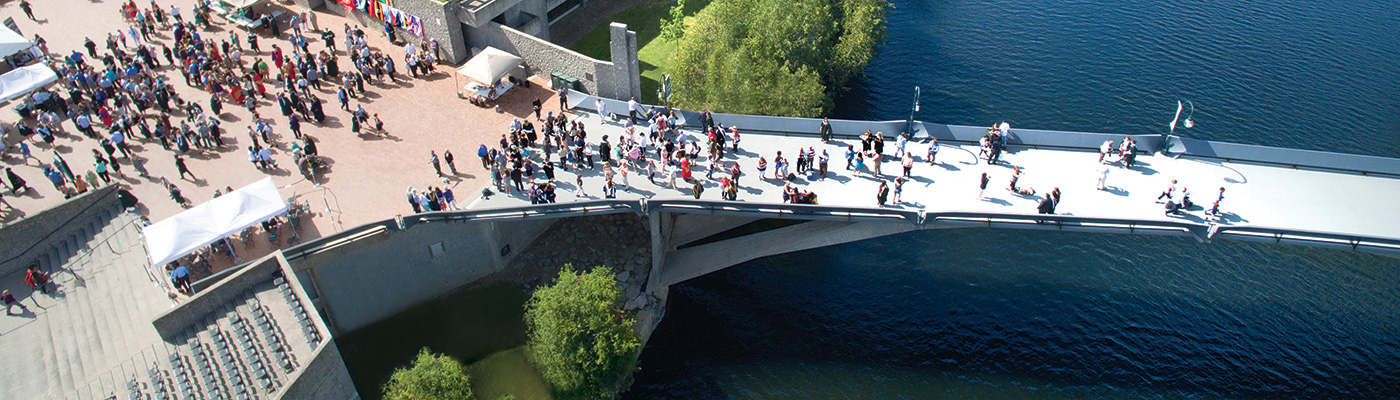
Explore a New Youth Summer Program Opportunity!
Emotional Health Practitioner Peer Support Program (Planned for July 12- July 15, 2027)Ages: 15-18 |
This in-person program equips participants with essential emotional health strategies that are directly applicable to school, work, and everyday life. Participants will gain practical tools to manage stress, communicate effectively, build resilience, and collaborate with others. These skills foster success at school and in the workplace by preparing students to handle challenging situations with confidence and professionalism. The program builds an emotional health management toolbox to help participants and their peers develop positive coping strategies and support mental well-being. Our philosophy is that you learn by doing, so the material will be taught from engaging exercises. |
Course Objectives:
Participants will come away with a toolbox of practical tools to manage their own mental health and support others. This will include:
- Understanding signs and symptoms of emotional overload.
- How to set up an environment to be healthy and balanced.
- How to rewire emotional connections and explore future aspirations.
- Additional subjects such as grief and relationships.
Successful participants will obtain an Emotional Health Practitioner – Peer Support micro-credential
Who Should Enroll?
- Students pursuing careers in nursing, social work, or care roles.
- Students seeking stress management skills.
- Students aiming to support mental health in both themselves and their peers.
- Students interested in brain rewiring and the basics of neuroscience.
Course Details:
Cost: $TBC per participant.
(If you need financial assistance to participate you can submit a discount application).
- Suitable for 15-18 year olds (Finishing Grade 10 +).
- Hours: Anticipated timings 10am - 4pm daily. (Plus assignments approx. 30-60mins per day).
- Location: Trent University Peterborough campus.
- OSAP eligible (Confirm OSAP eligibility here).
How to Register:
Click to register your interest in the program
We will contact you when the course is scheduled.
There are 3 parts to your registration
- Payment - Registration will open in the Fall.
- Parents/Guardians to complete:
- Participants to complete:
Registration is considered complete when all 4 requirements have been completed.
Any questions?
Please email microcredential@trentu.ca
FAQs:
WHO WILL BE RUNNING THE PROGRAM?
This program will be managed by Careerspace at Trent University which supports students in building meaningful, career-ready skills by providing personalized guidance, experiential learning opportunities, and robust connections with employers and community partners. The mission of Careerspace at Trent is to equip learners with the perspectives, competencies, and real-world exposure needed to navigate an evolving job market, while fostering strong partnerships that benefit both students and the broader community.
This program will be delivered through a strategic partnership between Trent University and Canadian Family Health Counselling (CFHC), leveraging both organisations’ expertise in education, mental health, and workforce development. Trent has worked with CFHC since March 2024 to successfully deliver the online Emotional Health Practitioner micro-credential and they will be developing and providing the training for the new, youth-focused Emotional Health Practitioner – Peer Support micro-credential.
Canadian Family Health Counselling developed Neural Network Therapy® content, which is a therapeutic approach designed to reprogram the brain for optimal mental health. Developed based on neuroscience data surrounding the neuroplasticity of the brain (the brain’s ability to rewire old patterns and learn new habits), Neural Network Therapy® is an education-based approach that empowers clients to transform their mental health through adaptive skills and strategies.
The project partners bring significant expertise directly aligned with the grant proposal’s objectives. Kim Sargent, Founder of Neural Network Therapy® and Clinical Director at Canadian Family Health Counselling, has decades of experience in mental health counselling and program development, providing services globally. Jodi Stansfield is an Emotional Health Practitioner with extensive experience supporting women through anxiety, depression, and trauma, as well as a background in education and not-for-profit leadership focused on survivors of childhood sexual abuse. Chris Kirby, also an Emotional Health Practitioner and co-founder of The Ironwood Project, offers both professional and lived experience supporting trauma survivors, and is active in training police to enhance trauma-informed responses. Collectively, their specialized skills in emotional health, peer support, and trauma recovery are essential to delivering evidence-based, impactful programming for participants.
ACCOMMODATION OPTIONS
If accommodation is required, there is an opportunity for a parent and participant to stay in a 2-bedroom apartment in Gzowski College.
Summer Guest Accommodations - Conference & Hospitality Services - Trent University
ADDITIONAL SUPPORTS
There will be the option for parents to register for a Parent Companion Course program.
This is a self‑paced program designed to help you understand the tools, language, and strategies your teen is learning in the Emotional Health Practitioner – Peer Support Program at Trent.
This course empowers you to grow alongside your teen, strengthen connection at home, and develop your own emotional and communication skills.
OSAP information
Please follow the OSAP instuction document
Terms and Conditions
Terms and Conditions
This program welcomes Trent students and promotes a healthy, inclusive and safe environment based on mutual respect and a spirit of cooperation.
As an employer.
Trent University is responsible to provide its employees with a rewarding, challenging
and safe work environment (in accordance with Trent University's Workplace Violence
and Harassment Policy)
By adhering to the following policies, all students, members and visitors can help us
achieve this goal:
• Treat staff and fellow participants with respect and courtesy, allowing others to
enjoy programs and the facility
• Comply with requests and direction from Trent staff, officials. instructors
and volunteers who are acting in the performance of their duties
• Wear appropriate fitness attire to ensure a safe environment.
• Take care of university property.
All students, members and visitors must adhere to University policies and shall refrain
from:
• Aggressive behaviour in any form, including physical or verbal abuse. threats.
intimidation, harassment, bullying, coercion. and/or other conduct which threatens or
endangers the health or safety of any person.
• Rude/argumentative behaviour with staff, officials, instructors or other participants
• Willful damage or destruction to the facility or property.
• Lewd. obscene, or indecent conduct or expression, including profanity, or offensive
remarks.
• Recording images, either by photograph, video or digitally without knowledge of the
individual being recorded and without prior approval from Trent Staff.
• Use of alcohol or drugs. Anyone demonstrating signs of intoxication will be denied
access to the campus.
INFORMED CONSENT, RISK ACKNOWLEDGEMENT, ASSUMPTION OF RISKS AND INDEMNITY AGREEMENT
INFORMED CONSENT, RISK ACKNOWLEDGEMENT, ASSUMPTION OF RISKS AND INDEMNITY AGREEMENT
PART OF THE REGISTRATION PROCESS INVOLVES AGREEING TO THIS DOCUMENT AND WAIVING CERTAIN LEGAL RIGHTS, INCLUDING THE RIGHT TO SUE, OR CLAIM COMPENSATION FOLLOWING AN ACCIDENT.
PLEASE READ CAREFULLY
ASSUMPTION OF RISK
Participation in the program carries with it certain inherent risks. I am aware that by allowing the student to participate in the activity(s), the student may be exposed to any manner of harm, injury, illness, death or property damage resulting from such risks, including but not limited to the following:
General:
· Loss or damage of personal property by any means including, but not limited to, theft, vandalism, fire, or water damage.
· Loss, damage, injury, illness, death or expense that the student may, or that members of my household(s) may suffer, including the contraction of a Communicable Disease as a result of my participation in this Activity. Communicable Diseases include, but are not limited to, any disease that can be transmitted from one person to another including viruses, bacteria, parasites or other organisms.
We are still planning the activities but examples may include:
Gardening:
- Minor physical injuries, such as muscle strain, sore joints, blisters, or small cuts from tools or plants
- Slips, trips, or falls due to uneven ground, wet surfaces, or garden equipment
- Environmental exposure, including sunburn, heat, dehydration, or cold weather
- Allergic reactions or insect bites, including reactions to plants, pollen, soil, or insects
Kitchen Activities:
- Cuts or minor injuries from knives, utensils, or sharp equipment
- Burns or scalds from hot surfaces, liquids, or cooking equipment
- Slips or falls due to spills, wet floors, or cluttered work areas
- Food safety risks, such as allergic reactions or illness from improper food handling
Sporting activities such as the Climbing Room / Bouldering Wall / Indoor Rock Climbing:
- All manner of muscular and skeletal injuries, bruises, scrapes, cuts, strains, sprains, leg cramps, dislocations, or bone injuries.
- Head, facial, dental and neurological injuries such as concussions and traumatic brain injuries (TBI).
- An increased load on the heart that may result in dizziness, shortness of breath, fainting, chest pain or discomfort, nausea, and in extreme circumstances may result in a heart attack.
- Being struck with projectiles.
- Falling against, impacting, entanglement or impairment on apparatus, equipment or other natural or man-made obstacles (visible or not visible), or against the ground, floors, walls or other surfaces.
- Contact with participants, officials, spectators, or other people or sustaining injuries arising from their actions.
- My child’s participation and/or use of equipment beyond my own skills and abilities; and
- The use, misuse, failure or malfunctioning of equipment.
Athletic Activities
- Impact, entanglement or impairment on obstructions, apparatus/equipment, floor, walls, mats, balls, hoops, ropes, bean bags, scooters, floor hockey sticks or pucks.
Canoeing/Lake/River:
- Falls on boat decks, docks, steep, slippery banks or boulders, especially near the shore, visible or non-visible.
- Sudden immersion in cold, swift moving water as a result of winds, choppy water, currents, or making contact with rocks, trees, other boats, floating logs or other debris.
- The risk of hypothermia, shock or drowning from any immersion and;
- Falling out, flipping or pinning the craft or entanglement and foot and/or body entrapment.
NOTE: A Personal Flotation Device (PFD) designed specially for this activity(s) is required.
NOTE: A proper helmet, harnesses and other climbing equipment designed specifically for an activity(s) must be worn and secured at all times while engaged in the activity(s).
Risks that attendees should be aware of
ASSUMPTION OF RISK
Participation in the program carries with it certain inherent risks and participants should be aware that they may be exposed to any manner of harm, injury, illness, death or property damage resulting from such risks, including but not limited to the following:
General:
· Loss or damage of personal property by any means including, but not limited to, theft, vandalism, fire, or water damage.
· Loss, damage, injury, illness, death or expense that the student may, or that members of my household(s) may suffer, including the contraction of a Communicable Disease as a result of my participation in this Activity. Communicable Diseases include, but are not limited to, any disease that can be transmitted from one person to another including viruses, bacteria, parasites or other organisms.
These are examples of activities that we may include:
Gardening:
- Minor physical injuries, such as muscle strain, sore joints, blisters, or small cuts from tools or plants
- Slips, trips, or falls due to uneven ground, wet surfaces, or garden equipment
- Environmental exposure, including sunburn, heat, dehydration, or cold weather
- Allergic reactions or insect bites, including reactions to plants, pollen, soil, or insects
Kitchen Activities:
- Cuts or minor injuries from knives, utensils, or sharp equipment
- Burns or scalds from hot surfaces, liquids, or cooking equipment
- Slips or falls due to spills, wet floors, or cluttered work areas
- Food safety risks, such as allergic reactions or illness from improper food handling
Sporting activities such as the Climbing Room / Bouldering Wall / Indoor Rock Climbing:
- All manner of muscular and skeletal injuries, bruises, scrapes, cuts, strains, sprains, leg cramps, dislocations, or bone injuries.
- Head, facial, dental and neurological injuries such as concussions and traumatic brain injuries (TBI).
- An increased load on the heart that may result in dizziness, shortness of breath, fainting, chest pain or discomfort, nausea, and in extreme circumstances may result in a heart attack.
- Being struck with projectiles.
- Falling against, impacting, entanglement or impairment on apparatus, equipment or other natural or man-made obstacles (visible or not visible), or against the ground, floors, walls or other surfaces.
- Contact with participants, officials, spectators, or other people or sustaining injuries arising from their actions.
- My child’s participation and/or use of equipment beyond my own skills and abilities; and
The use, misuse, failure or malfunctioning of equipment.
NOTE: A proper helmet, harnesses and other climbing equipment designed specifically for an activity(s) must be worn and secured at all times while engaged in the activity(s).
Athletic Activities
- Impact, entanglement or impairment on obstructions, apparatus/equipment, floor, walls, mats, balls, hoops, ropes, bean bags, scooters, floor hockey sticks or pucks.
Canoeing/Lake/River:
- Falls on boat decks, docks, steep, slippery banks or boulders, especially near the shore, visible or non-visible.
- Sudden immersion in cold, swift moving water as a result of winds, choppy water, currents, or making contact with rocks, trees, other boats, floating logs or other debris.
- The risk of hypothermia, shock or drowning from any immersion and;
- Falling out, flipping or pinning the craft or entanglement and foot and/or body entrapment.
NOTE: A Personal Flotation Device (PFD) designed specially for this activity(s) is required.