
Program Description
The Ph.D. Program in Indigenous Studies has one field, Indigenous Knowledges: Peoples, Lands, Waters, Cultures. Over the course of four years, students complete coursework, comprehensive examinations, a dissertation proposal, and a dissertation.
The Ph.D. Program brings together, at the graduate level, Indigenous and non-Indigenous students to engage at an advanced level with the historical, cultural and contemporary experiences of Indigenous peoples.
Graduate students conduct scholarly research, develop innovative theoretical approaches and methodologies and use associated research tools that are appropriate in an Indigenous research context.
Upon completion of the program graduates will have a unique set of skills and experiences to draw upon as they transition into a profession of their choice.
As an interdisciplinary program, we offer students the opportunity to draw from and also situate themselves ethically in a variety of disciplines (history, law, science, education, performance, literature, etc...). The program combines academic, cultural and experiential pedagogies through a partnership between the University and Indigenous communities. Indigenous peoples, particularly Indigenous Elders who possess knowledge of traditional cultures and languages, are central to the Program.
Objectives of the Program
• to advance Indigenous Studies as an interdisciplinary field of study through the rebuilding and recognition of Indigenous knowledge systems and the creation of knowledge which reflects Indigenous peoples’ experiences.
• to make available to students, at an advanced level, education that will enable graduates to employ a range of experience and skills in their chosen profession.
• to explore research methodologies that reflect Indigenous knowledge systems.
• to provide non-Indigenous students with tools to become good allies to Indigenous communities and organizations.
• to prepare students for a variety of careers that will benefit from highly educated individuals who wish to contribute to the strengthening of human dignity and relationships with the planet and all its inhabitants. Program History
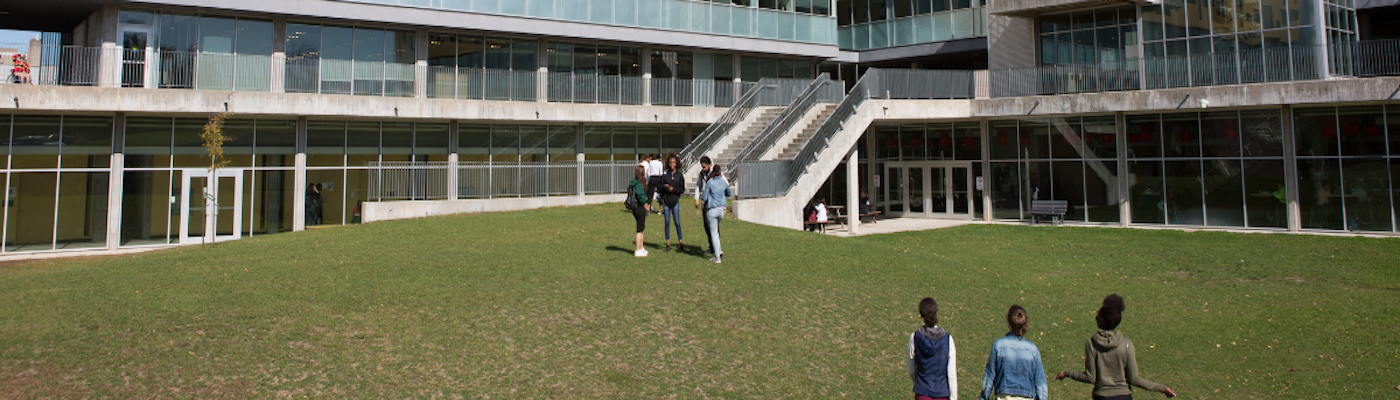
Grounded in the discipline of Indigenous Studies, the program was first in Canada and only the second in North America when it began in 1999. Although based at Trent University, the program involves faculty from other universities as well as qualified individuals from Indigenous communities. The program was developed in close consultation with Indigenous community representatives, and is grounded in Indigenous knowledges.
The program allows students to engage in advanced studies and original research at the highest level of scholarly inquiry. Students have two years of structured in-person course work and sit for comprehensive exams in the last term of the second year.
A unique feature of the program is the placement of students, in the first term of their second year in the program or in the summer between first and second year, with an Indigenous community or organization. This helps to ensure that students are grounded in the culture and experience of Indigenous peoples. Another unique feature of the program is the opportunity to work with an Elder through the Bimaadiziwin/Atonhnhetseri:io course.
After successful completion of the two years of course work and comprehensive exams, students conduct research and compose a doctoral thesis. The thesis is expected to be a high quality, original contribution to research that must reflect the ethics, principles and perspectives of Indigenous Studies. Students must successfully defend their thesis and complete the entire program within four years.