
Trent University
MyTrent
  • Academics
    • Undergraduate Programs
    • Graduate Programs
    • Trent Online
    • Summer Courses
    • Continuing Education
    • Study Abroad
    • Academic Calendar
    • Academic Timetable
    • Academic Skills Centre
    • Academic Advising
    • Library
    • Centre for Teaching and Learning
  • Admissions
    • Undergraduate
    • Thinking of Applying
    • Already Applied
    • Received an Offer
    • Accepted My Offer
    • Graduate
    • International
    • Indigenous
    • Returning to Trent
    • Transfer
  • Services & Support
    • Academic Advising
    • Academic Skills Centre
    • Administrative Departments
    • Alumni Services
    • Athletics
    • Campus Security
    • Careerspace
    • Colleges
    • Communications
    • Conferences
    • Financial Aid
    • Financial Services
    • Health & Wellness
    • Indigenous Services
    • Information Technology
    • International Students
    • Learning Support
    • Parking
    • Printshop
    • Recruitment
    • Registrar's Office
    • Residence & Housing
    • Student Clubs
    • TrentU Card
  • Research
    • Research at Trent
    • Research Centres
    • Find an Expert
    • Resources
  • Give to Trent
  • About Trent
    • About Trent
    • Careers
    • Giving to Trent
    • Governance
    • How to Find Us
    • Media
    • News & Events
    • President's Office
    • Staff Directory
    • Trent Facts
    • Contact Us
  • Campus Locations
    • Peterborough
    • Durham GTA
    • Online
  • Future Students
    • Undergraduate
    • Thinking of Applying
    • Already Applied
    • Received an Offer
    • Accepted My Offer
    • Graduate
    • International
    • Indigenous
    • Returning to Trent
    • Transfer
  • Current Students
  • The Colleges of Trent
  • Alumni
  • Apply
  • Visit
  • Give
  • Peterborough
  • Durham GTA
  • Map
  • Careers
  • Directions
  • Library
  • Site Map
  • Bookstore
Skip to main content Home
  • Peterborough
  • Durham GTA
  • Online
  • MyTrent
MENU
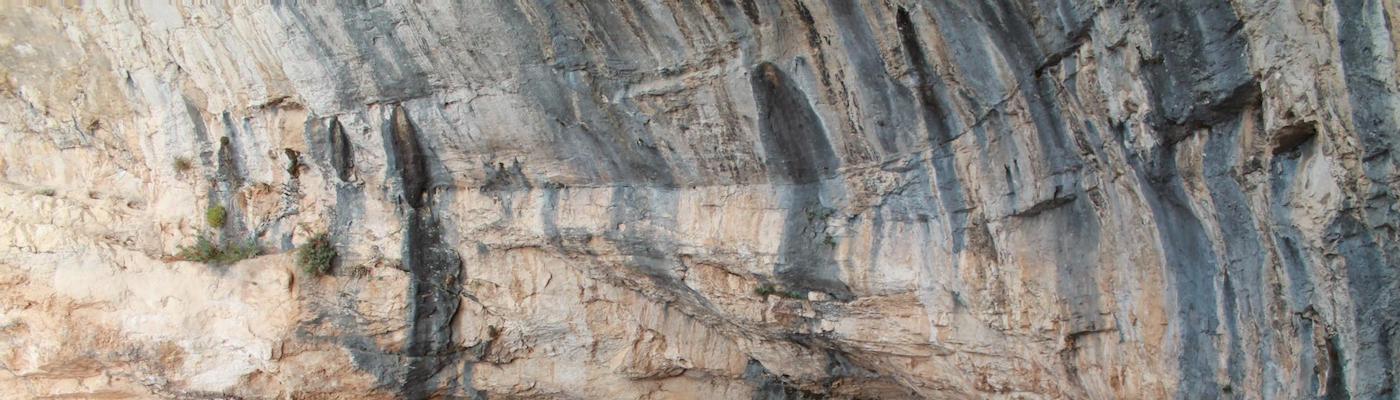
Rock walls of a cave
Trent University
Anthropology
  • Welcome
  • The Experience
  • Programs
  • Faculty & Research
  • Community
  • Contact
  1. Trentu.ca
  2. Anthropology
  3. Faculty & Research
  4. Saint-Césaire

Saint-Césaire

le site en Français

Saint-Césaire is located within the Charente-Maritime department of France, 15 kilometres away from the city of Saintes. The original excavations at Saint-Césaire, headed by François Lévêque, took place over 12 years, from 1976 to 1987. The excavation of the site resumed in 2013 under the direction of François Bachellerie (Service d’Archéologie, Alsace region, France) and Eugène Morin (Trent University). Isabelle Crèvecoeur (CNRS, France) became the excavation director in 2015 with this work still ongoing. The material from the site spans from the end of the Middle Paleolithic through to the Evolved Aurignacian (around 32,000 years ago).
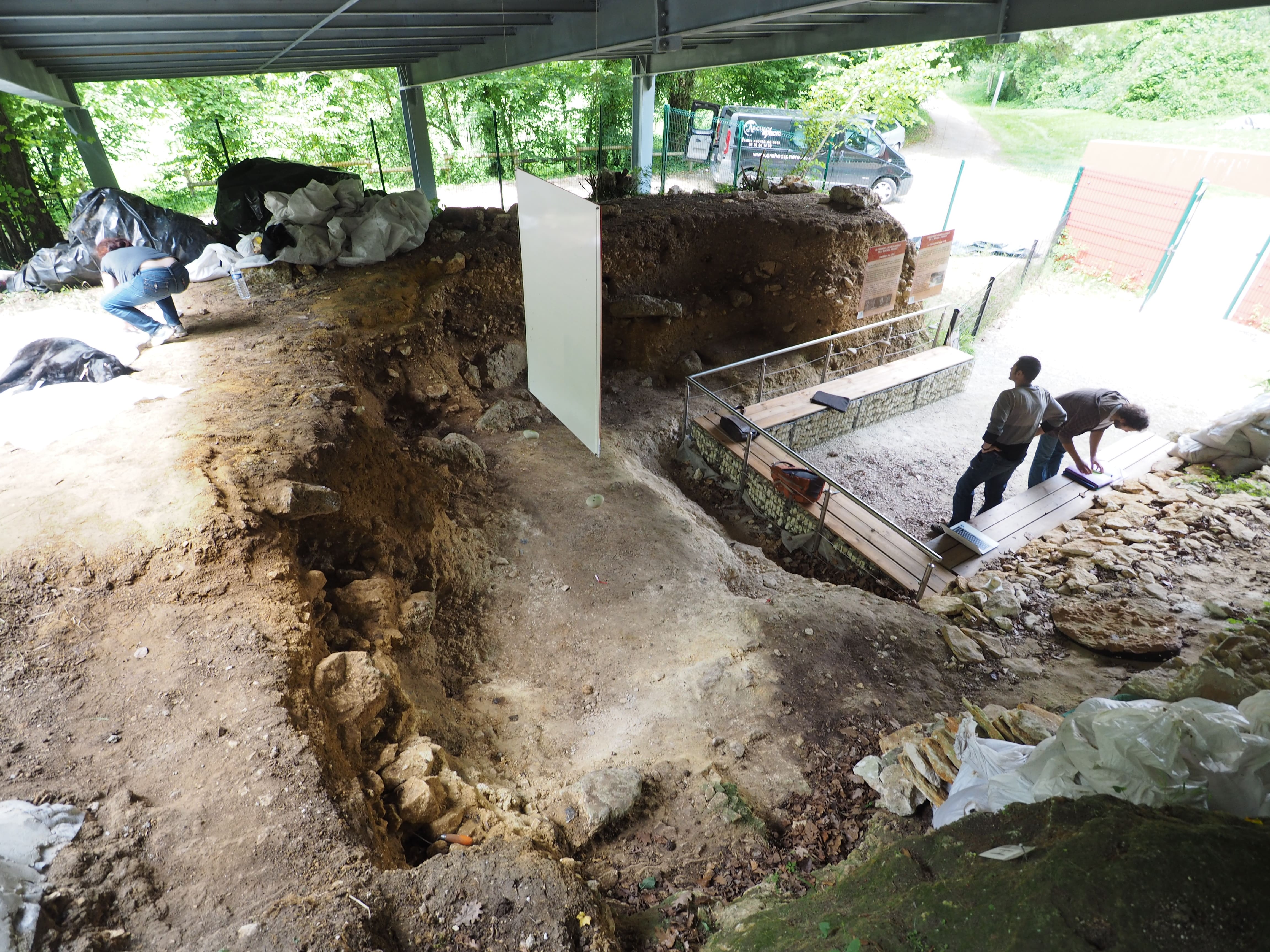
Excavations at Sainte-Césaire

Excavations at Sainte-Césaire

The Debate

In 1979, excavators uncovered a Neandertal skeleton on the site that was associated with the Châtelperronian industry. This sparked debates among archaeologists as the Châtelperronian, an Upper Paleolithic industry, was traditionally associated with anatomically modern humans, not Neandertals. The Saint-Césaire discovery challenged this received wisdom.

Those who, like François Bordes (1981), denied the association of the Neandertal skeleton with a Châtelperronian industry argued that material from the Middle Paleolithic levels had contaminated the later layers. The possibility of contamination was also raised by Ofer Bar-Yosef and Jean-Guillaume Bordes (2010), and more recently, by Brad Gravina and his collaborators (2018). The new excavations at Saint-Césaire should shed light on the nature of this association.
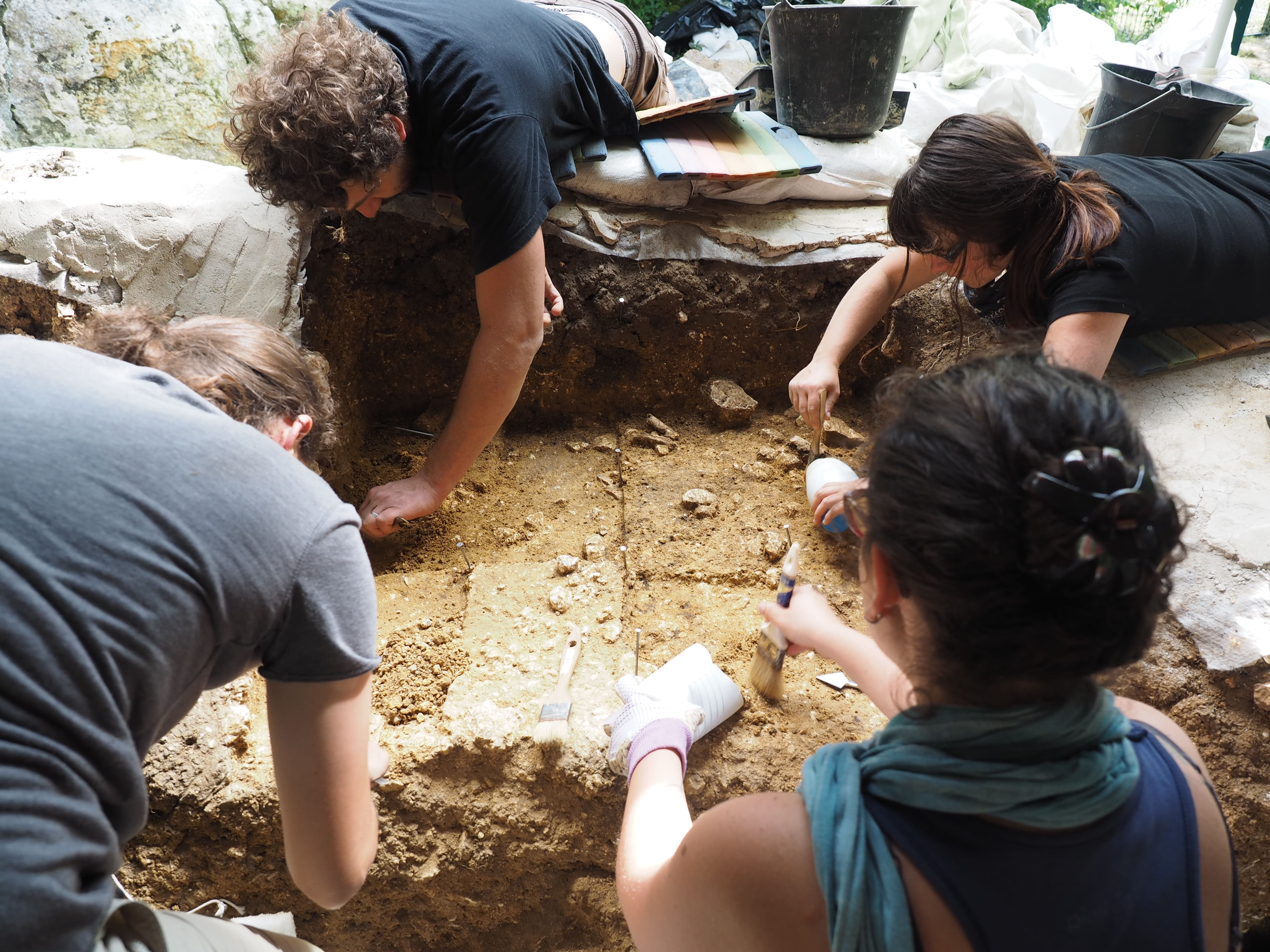
2015 Excavations at Sainte-Césaire

2015 Excavations at Sainte-Césaire

Current Research

Faunal remains are abundant in the new excavations at Saint-Césaire. This material shows many similarities with the fauna excavated by Lévêque. In general, the Middle Paleolithic levels show a prevalence of bison (Bison priscus) and horse (Equus caballus), whereas reindeer (Rangifer tarandus) is the common species in the Upper Paleolithic levels.

One of the important results from the new excavations concerns the stone tool assemblages. Our results indicate that Middle Paleolithic stone tools are frequent in the “EJOP” level, the unit in which the Neandertal skeleton was found. In fact, Middle Paleolithic stone tools are more abundant than Upper Paleolithic tools in EJOP, a finding that raises issues concerning the process of object accumulation in this layer (Gravina et al., 2018). Another important result relates to the fauna. The current zone of excavation for the Upper Paleolithic comprises many large reindeer antler fragments, and surprisingly, many large ribs fragments from wooly rhinoceros (Coelodonta antiquitatis), some of which show cut marks made by a stone tool. The goal of the next field seasons will be to shed further light on the origin and function of this unusual faunal accumulation, a type of assemblage rarely encountered in Southwestern France.
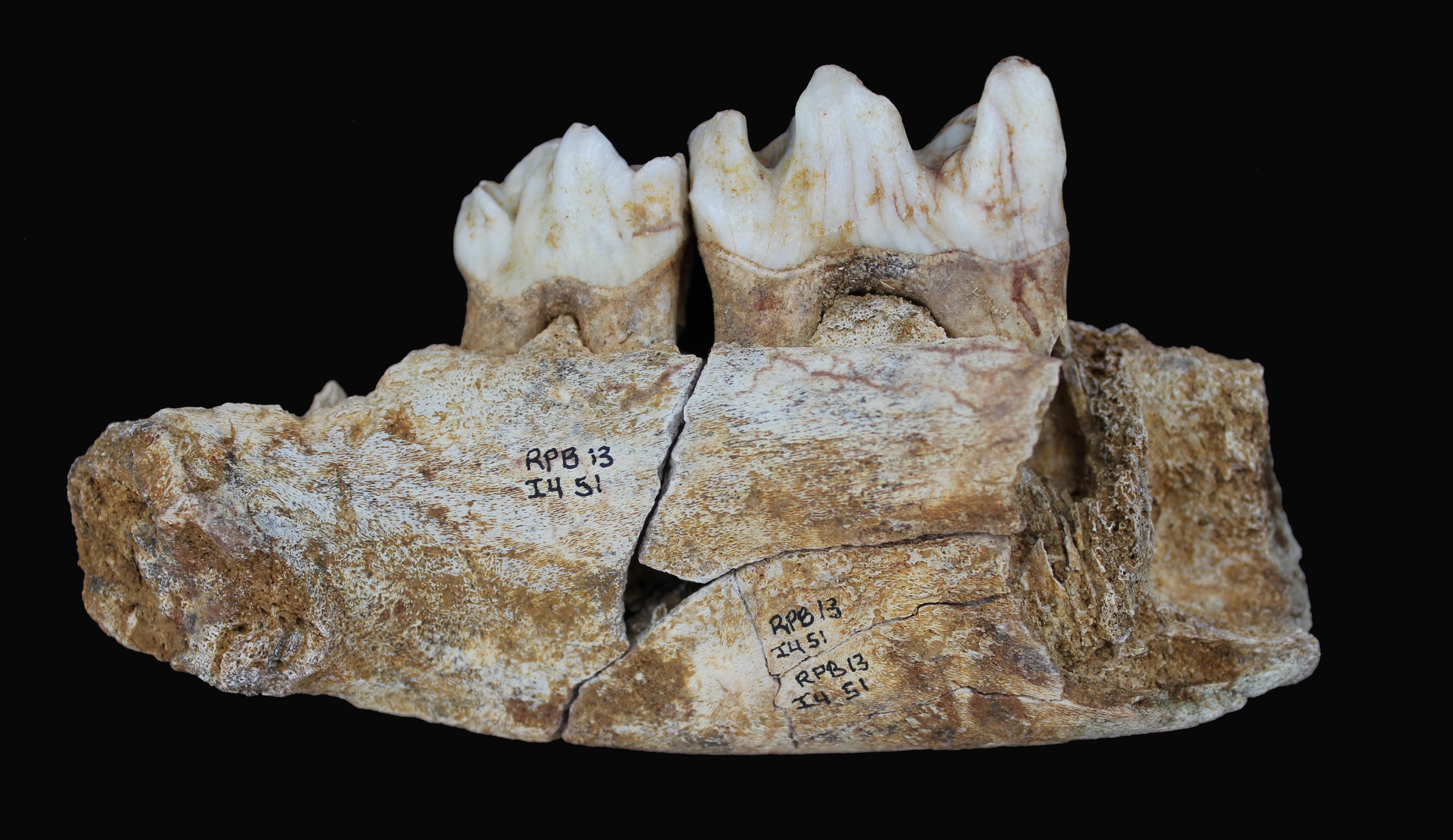
Wooly rhinoceros mandible uncovered at Saint-Césaire

Wooly rhinoceros mandible uncovered at Saint-Césaire

Reindeer antler uncovered at Saint-Césaire

Reindeer antler uncovered at Saint-Césaire

References

Bordes F. 1981. Un Néandertalien encombrant, La Recherche 122:644–645. 


Bar-Yosef O. and J-G Bordes. 2010. Who were the makers of the Châtelperronian culture? Journal of Human Evolution 59:586–593.

Gravina, B., F. Bachellerie, S. Caux, E. Discamps, J.-P. Faivre, A. Galland, A. Michel, N. Teyssandier, and J.-G. Bordes. 2018. No reliable evidence for a Neanderthal-Châtelperronian association at la Roche-à-Pierrot, Saint-Césaire. Scientific Reports 8: Article: 15134.

For more information:

Reassessing Paleolithic Subsistence. The Neandertal and Modern Human Foragers of Saint-Césaire, France

Bone refits in stratified deposits: Testing the chronological grain at Saint-Césaire

Neandertals and early modern humans in Europe

  • Graduate Faculty
  • Emeritus, Emerita, and Former Faculty
  • Trent Forensic Anthropology & Bioarchaeology (FAB) Lab
  • Ka'kabish Archaeological Research Project (KARP)
  • Great Lakes Archaeological Research Laboratory
  • Trent Environmental Archaeology Laboratory (TEAL)
  • Trent Human Bioarchaeology Research Lab (THumB)
  • Neandertals and early modern humans in Europe
    • The Middle to Upper Paleolithic Transition
    • Saint-Césaire
    • Le Piage
    • Gatzarria
    • Crvena Stijena
    • Published work by Eugène Morin
  • Néandertaliens et premiers groupes anatomiquement modernes en Europe
  • Technical Staff and Research Collections

Related Links

  • Archaeology
  • TUARC
  • Academic Calendar
Trent University Logo

Trent University respectfully acknowledges it is located on the treaty and traditional territory of the Mississauga Anishnaabeg. We offer our gratitude to First Peoples for their care for, and teachings about, our earth and our relations. May we honour those teachings.

The Campaign For
Momentous
Action Research Leadership Debate Performance Connection Discovery Ideas Places Stewardship Support Possiblity

Peterborough

1600 West Bank Drive
Peterborough, ON Canada, K9L 0G2

Toll Free: 1-855-MY-TRENT

Campus Map

Durham Greater Toronto Area

55 Thornton Road South
Oshawa, ON Canada, L1J 5Y1

Phone: 905-435-5100

Campus Map

Social Media Directory
  • Contact
  • Directions
  • Site Map
  • Accessibility
  • Privacy
  • @ Copyright 2025 Trent University