

Continuing in 2027, the Trent Bioarchaeology Field School will be offering students an exciting, one-of-a-kind Canadian field experience. Established in 2017 under the direction of Dr. Amy Scott, this field school program is offered by the Department of Anthropology in partnership with Parks Canada, at the Fortress of Louisbourg, National Historic Site of Canada.
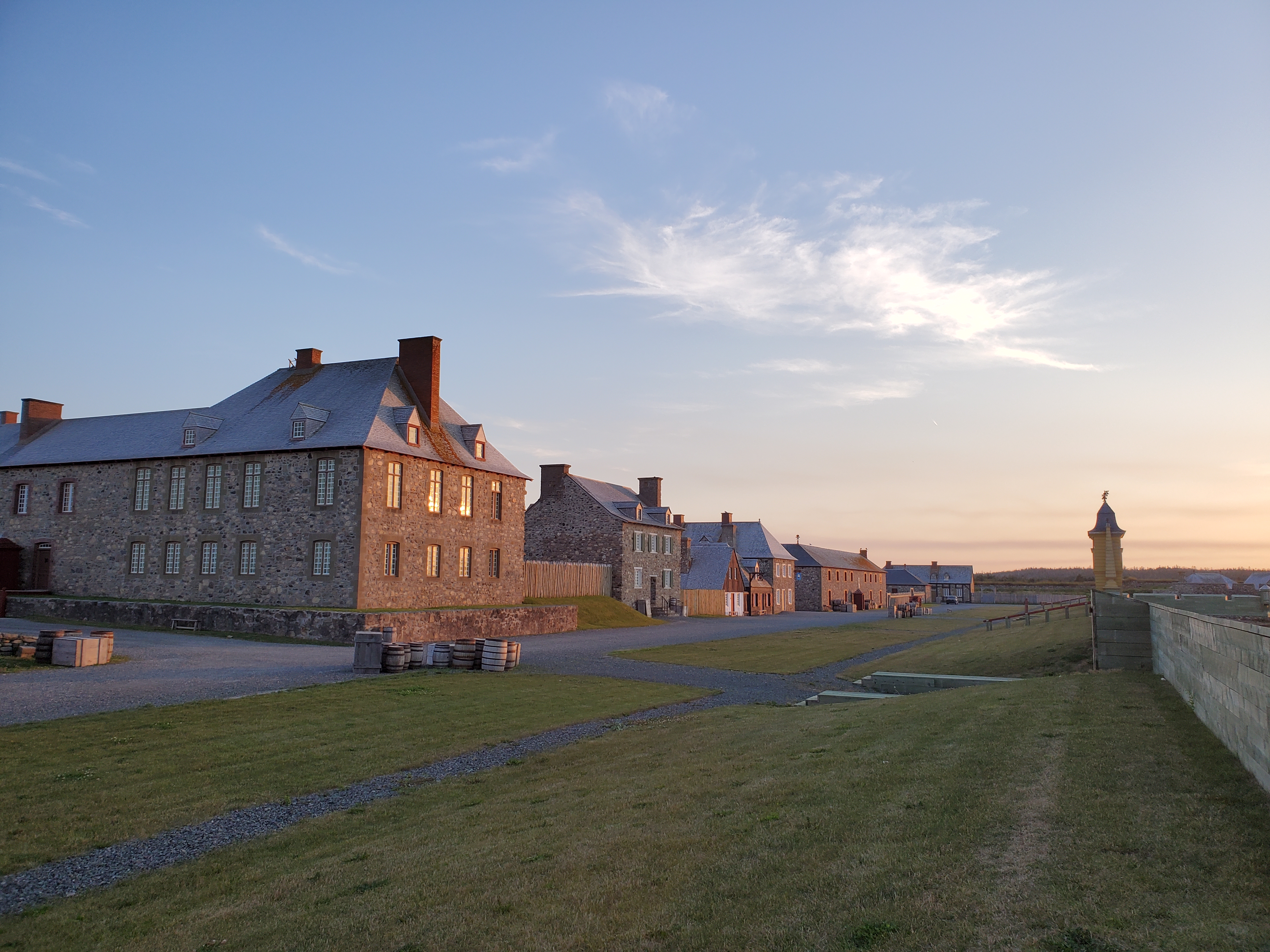
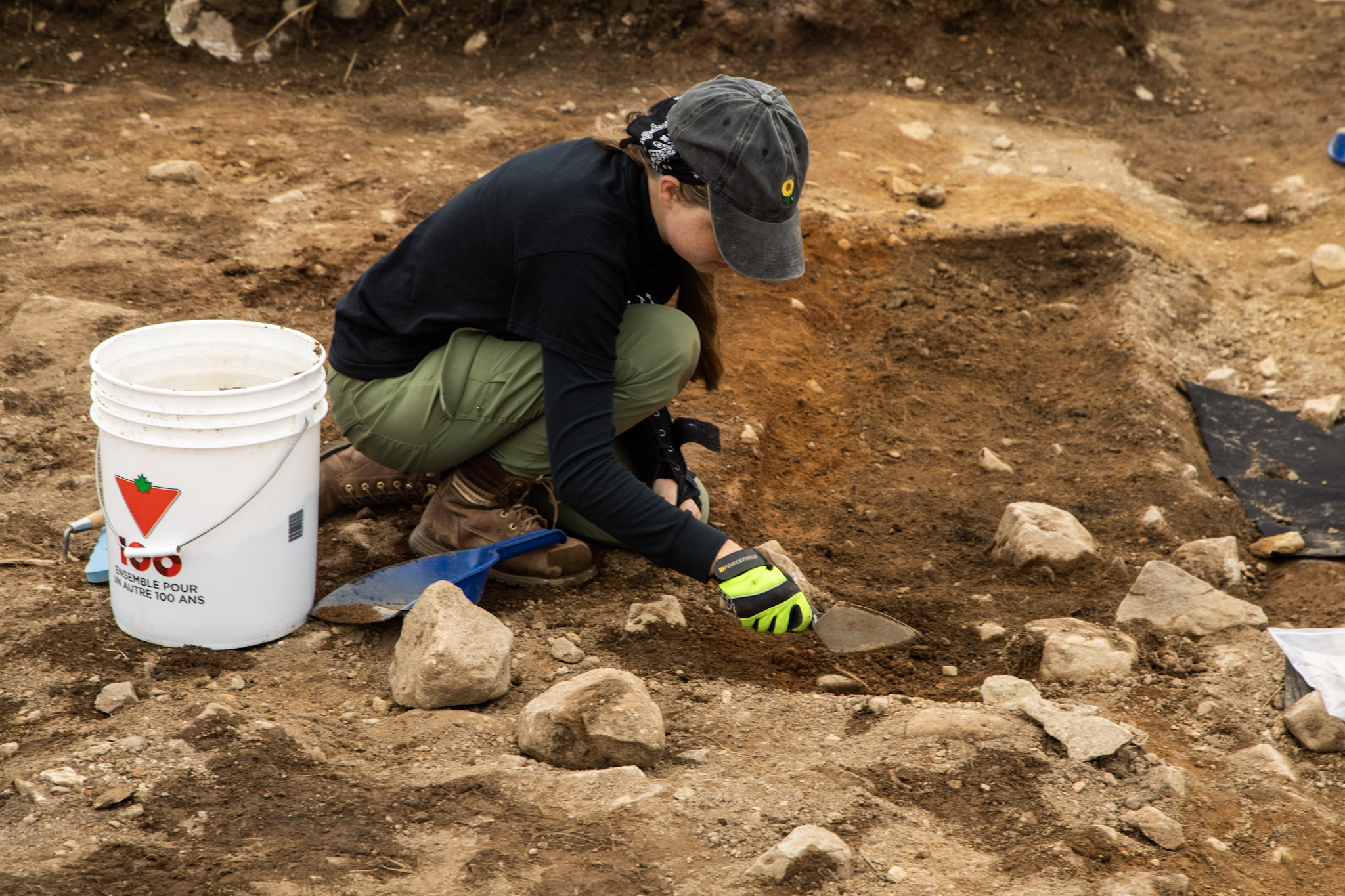
Since its colonial founding in 1713, Louisbourg was an important fishing port in the north Atlantic and eventually became fortified beginning in the 1720s. By the middle of the 18th century with these fortifications complete, Louisbourg was known as one of the most extensive European fortress sites in North America. Sieges in 1745 and 1758 however, saw the transfer of Louisbourg into British hands and after the second siege the Fortress was systemically deconstructed. Rochefort Point, a geological outcrop at the Fortress was the primary cemetery for the inhabitants of Louisbourg; however, coastal erosion at this site has put these burials in danger of destruction prompting this long-term rescue excavation and subsequent analysis of these individuals. This field school offers students a multi-component, hands-on bioarchaeological field experience including skeletal excavation methods and techniques, field data recording, and ethical handling practices. Additionally, students will be engaged in various activities associated with the Fortress of Louisbourg and the Parks Canada operations on site, including public outreach, site interpretation, and historic reenactments. While students will be working with archaeological human remains, the skills learned through this field school are transferrable to similar disciplines such as forensic anthropology and archaeology.
Benefits
- Important hands-on training to compliment undergraduate and graduate courses in bioarchaeology, forensic anthropology, and/or archaeology
- An opportunity to obtain critical field experience related to terrestrial skeletal recovery, ethical handling and storage of human remains, site survey, burial identification and mapping, and burial context documentation
- A complex cemetery site with multiple burial types, including individual, disturbed, comingled, and mass burials
- An immersive experience to learn about the history of Louisbourg through lecture series, behind-the-scenes tours of the Fortress, and public outreach opportunities
- An introduction to collaborative project management with a federal agency
For course information and further details about the program please contact:
Dr. Amy Scott, Project Director
705-748-1011 x 7661
amyscott@trentu.ca
Find us on FB @ Trent Bioarchaeology Field School
Find us on Instagram @ trentbioarchaeologyfieldschool
.jpg)