
2026 Teaching Fellow
Eugena Kwon, Assistant Professor, Sociology
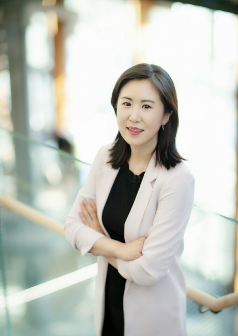
Trent Connect: Intercultural Learning, Belonging, and Student Success Program
Dr. Eugena Kwon is an Assistant Professor in the Department of Sociology. Her Teaching Fellowship project is a research-informed, semester-long professional development program designed to help students navigate university life, build meaningful peer connections, develop intercultural competence, and prepare for school-to-work transitions. This program grew out of her SSHRC-funded study of the school-to-work transitions of international students; this research revealed the challenges of navigating overlapping academic, social/cultural, career, and immigration-related transitions during and after their studies.
During her three-year project, Eugena will build on this research to create an academic success program that makes visible the “hidden curriculum” of university life. Her program envisions a hybrid, semester-long program comprised of six modules that would be available to domestic and international students. Eugena will develop this project in consultation with key Trent staff and faculty and assess student experience through a SoTL project that includes focus groups, reflections, and interviews. Her goal is to establish a longstanding program that can strengthen intercultural learning, student belonging, and transition supports at Trent.
2025 Teaching Fellows
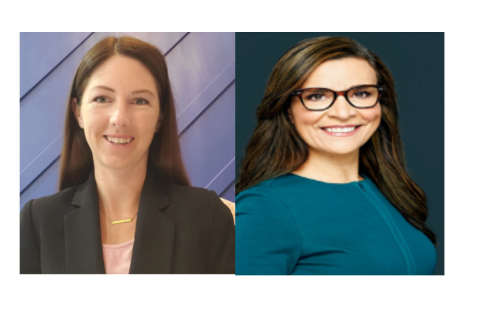
Suzanne Braithwaite, Assistant Professor, Trent/Fleming School of Nursing
Rasha Wahid, Assistant Professor, Trent/Fleming School of Nursing
Integrating Relational Pedagogy into Clinical Nursing Education: A Framework for Practice-Informed Course Design
Dr. Rasha Wahid and Dr. Suzanne Braithwaite are Assistant Professors in the Trent/Fleming School of Nursing (TFSON). Their project emerges during a pivotal period of curriculum renewal, wherein the TFSON is redesigning the undergraduate nursing curriculum grounded in the principles of Relational Inquiry (Doane & Varcoe, 2015). While substantial progress has been made in shaping the theoretical components of the curriculum, the design of clinical practice courses remains underdeveloped.
Their Teaching Fellowship project aims to address a critical gap in clinical nursing education by developing a comprehensive Clinical Course Design Framework rooted in Relational Inquiry. By synthesizing three foundational elements: (1) Relational Inquiry (Doane & Varcoe, 2015), (2) the College of Nurses of Ontario's Entry-to-Practice Competencies (2021), and (3) the Canadian Association of Schools of Nursing’s Education Framework (2015), the proposed framework will guide the design of eight scaffolded clinical courses. These courses will support consistency, pedagogical integrity, and philosophical alignment across students’ experiential learning.
The project will unfold in three phases: consultation with national experts and clinical instructors; developing and piloting the framework within one redesigned clinical course; and broad dissemination. Led by Drs. Braithwaite and Wahid, the initiative will advance relational, competency-based education that aligns with regulatory expectations and supports student development in critical thinking, professional identity, and reflective practice.
Dissemination and capacity building efforts will include a hands-on workshop for instructors to explore the framework and guide, peer mentoring initiative to support clinical instructors implementing the framework in subsequent courses, and a digital resource hub where the guide, templates, and case examples will be stored for ongoing use.
2024 Teaching Fellows
Kirk Hillsley, Professor, Biology
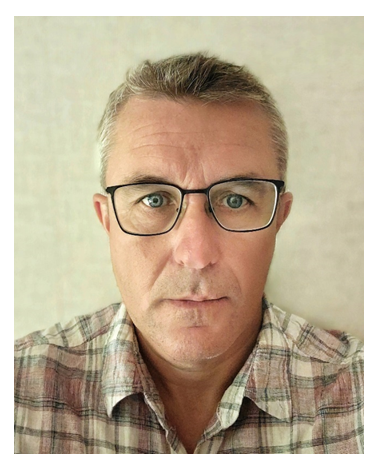
Impact of Lecture Capture and Attendance on Student Grades
Dr. Kirk Hillsley, a teaching-intensive professor in the Biology department, is a Trent Teaching fellow for 2024-2027, studying the “Impact of Lecture Capture and Attendance on Student Grades”. Lecture capture (LC) refers to any technology (e.g. Zoom and Yuja) which allows for the recording of in person lectures for subsequent review by students. Student perspectives on LC are nearly universally positive, consistently reporting that it is helpful for their learning, and it is perceived to improve their grades. However, the literature on whether LC improves student performance is very mixed. Some studies report LC is associated with improved grades, but others report a decrease or no impact on student grades when LC is used. Why such variability? The main factor at play is likely to be lecture attendance, with most studies showing that when LC is used, in person lecture attendance decreases. At a time when a ‘lecture attendance crisis’ has been reported, is using LC a net benefit to student performance?
This project aims to directly test the net impact of LC use by varying the implementation of LC in multiple courses whilst taking attendance. In this way, some exams in each course will have LC available for study, and some will not. Each student will act as their own control to reveal whether LC use impacts student attendance and grades. The study will then be repeated with lecture attendance incentivized in the second year of the study. This approach should reveal whether there is a causal relationship between student LC use, student grades, and attendance, and whether any relationship remains when lecture attendance is incentivized. It is anticipated that these findings would be generalizable and applicable across the Trent University community and beyond.
Kim Calderwood, Professor, Social Work & Sasan Issari, Assistant Professor, Social Work

Creating more de/anti-colonizing and inclusive social work curriculums and pedagogy
Call #62 of the 94 Truth and Reconciliation Calls to Action indicates educators as collaborators in “integrat[ing] Indigenous knowledge and teaching methods into classrooms” (Truth and Reconciliation Commission of Canada, 2015, p. 331). Acting on this call has begun in social work with our Canadian Association of Social Workers adding “Pursuit of truth and reconciliation” to our code of ethics and the Canadian Association of Social Work Education requiring Indigenous content and pedagogy in accredited programs. Taking action on this call, we (Dr. Kimberly Calderwood and Dr. Sasan Issari of the Department of Social Work, Trent Durham GTA) are exploring: 1) what is meant by “de-colonizing,” “anti-colonizing,” and “being more inclusive” in social work curriculums and pedagogy; and 2) how we can make this happen. A Two-Eyed seeing framework, using a de-colonizing lens and creating what Ermine (1995) refers to as “ethical space” will be incorporated throughout the re-search study. As the first phase of a multi-phase project, we are conducting semi-structured interviews with social work educators (full-time and part-time faculty as well as field education instructors), particularly those from equity-seeking groups across Turtle Island/Canada. Funding from Trent’s Centre for Teaching and Learning and from a Trent Durham Dean’s Research award will support the building of a diverse re-search team including four student re-search assistants from a range of equity-seeking groups. In keeping with an Indigenous worldview, this team and two collaborators (Dr. Marina Morgenshtern and Laraine Hale) will engage in data analysis and peer debriefing using a meaning-making approach to analysis (rather than fragmenting the data as is often seen with thematic analysis). As we approach the end of this phase, we will explore multiple methods of knowledge mobilization aligned with various worldviews that include Indigenous perspectives—such as the use of metaphor and alternatives to written text—with a goal of demonstrating how curriculum and pedagogy can be transformed to meet the call for de-colonization.
2023 Teaching Fellow
Elizabeth Russell, Associate Professor, Psychology
Director of the Trent Centre for Aging and Society
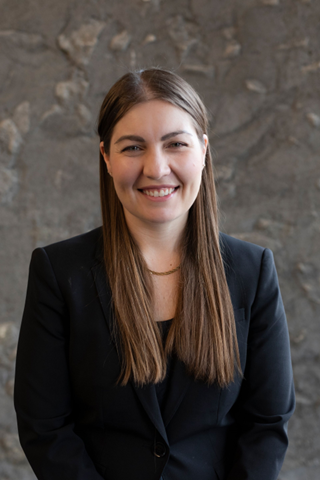
Project: Developing an Intergenerational Classroom Model at Trent University
With the generous support of the Trent Teaching Fellowship Program, I will develop, evaluate, and study an intergenerational classroom model within my Psychology of Aging course (PSYC 3550H), aiming to reduce ageism and increase intergenerational connectivity at Trent University. Trent is situated in one of Canada’s most rapidly aging regions, is one of Canada’s few designated age-friendly universities, and is home to TCAS, a world-class research centre that seeks to “celebrate aging, understand diverse experiences of aging, and challenge ageist practices in our communities and culture”. Continuing from this exceptional record of supporting the teaching of Aging Studies and connecting with older people in our community, this project will see my lecture-based Psychology of Aging classroom transformed into an intergenerational classroom – and piloted, evaluated, and expanded between 2023 and 2026. Older community members will be invited into the classroom space as valued members of the class, connecting weekly with students through collaborative, intergenerational projects, and informally reflecting on their experiences with aging-related lecture content. Research will be built into all stages of this program, and academic outputs will expand upon my novel “age-conscious student” concept (Russell, 2021; Russell et al., 2022). Students will experience an enriched experiential learning environment, classroom volunteers should enjoy a positive and enriching intergenerational experience, and the project will support the broad and realistic vision of an intergenerational Trent University, further building the firm connection between Trent and the Peterborough community.
2022-2025 Teaching Fellows
Kristy Buccieri and Elizabeth Torrens
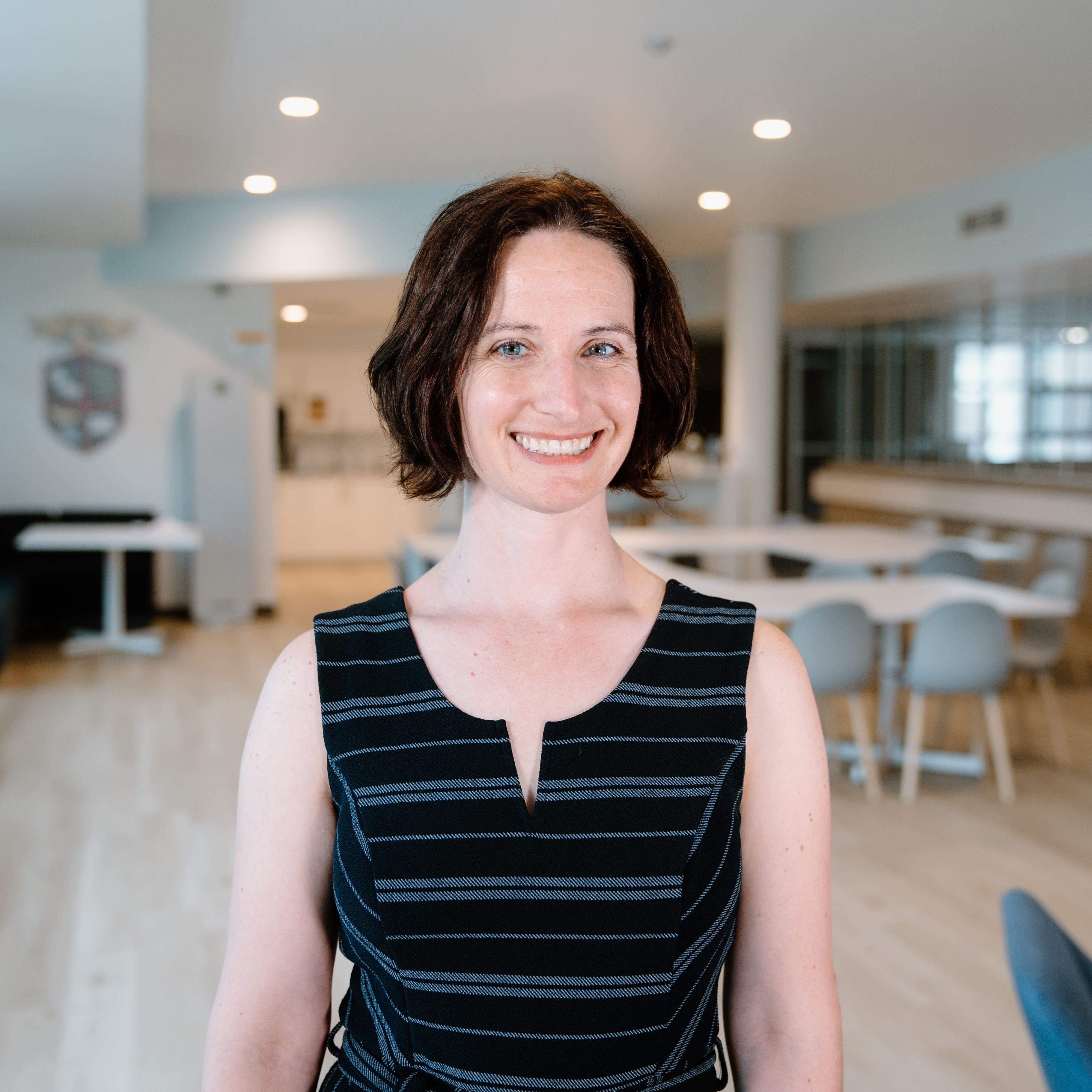
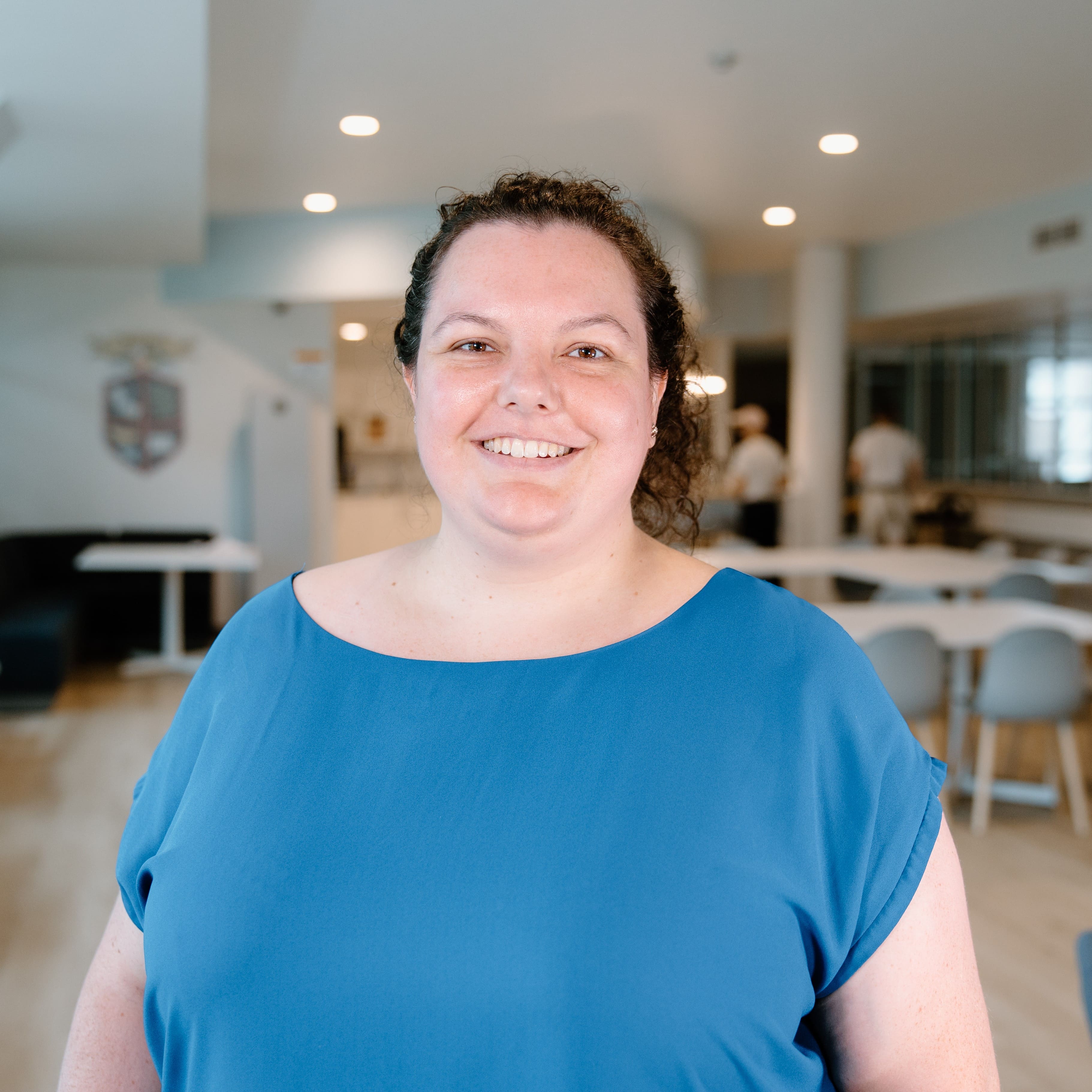
Dr. Kristy Buccieri and Dr. Elizabeth Torrens, professors in the Department of Sociology are Teaching Fellows for 2022-2025. "Shaping SOCI CRIM" is a three-year Scholarship of Teaching and Learning (SoTL) research project aimed at getting a better understanding of why our students chose the program they did – whether Criminology or the Sociology Specialization in Socio-Legal Studies. What was their motivation for selecting one over the other? How much did having courses online or in-person impact their decision and how are those class formats shaping their experiences while in the program? Also, what factors outside of the classroom are impacting their learning? Through student surveys and focus groups with students in the programs, we aim to gather answers to the above questions and receive feedback and suggestions from students about their experiences.
Research findings from student participants will routinely be presented to faculty in the Sociology department as separate focus group sessions that will provide information about student experiences in both program options. The focus groups will also allow for a discussion of teaching approaches and course design and a chance to reflect on how we can respond to student challenges and their program suggestions. Faculty responses will then be shared with students to create a reflexive feedback loop that keeps all participants engaged in a sustained dialogue about teaching and learning within our department.
2020-2023 Teaching Fellows
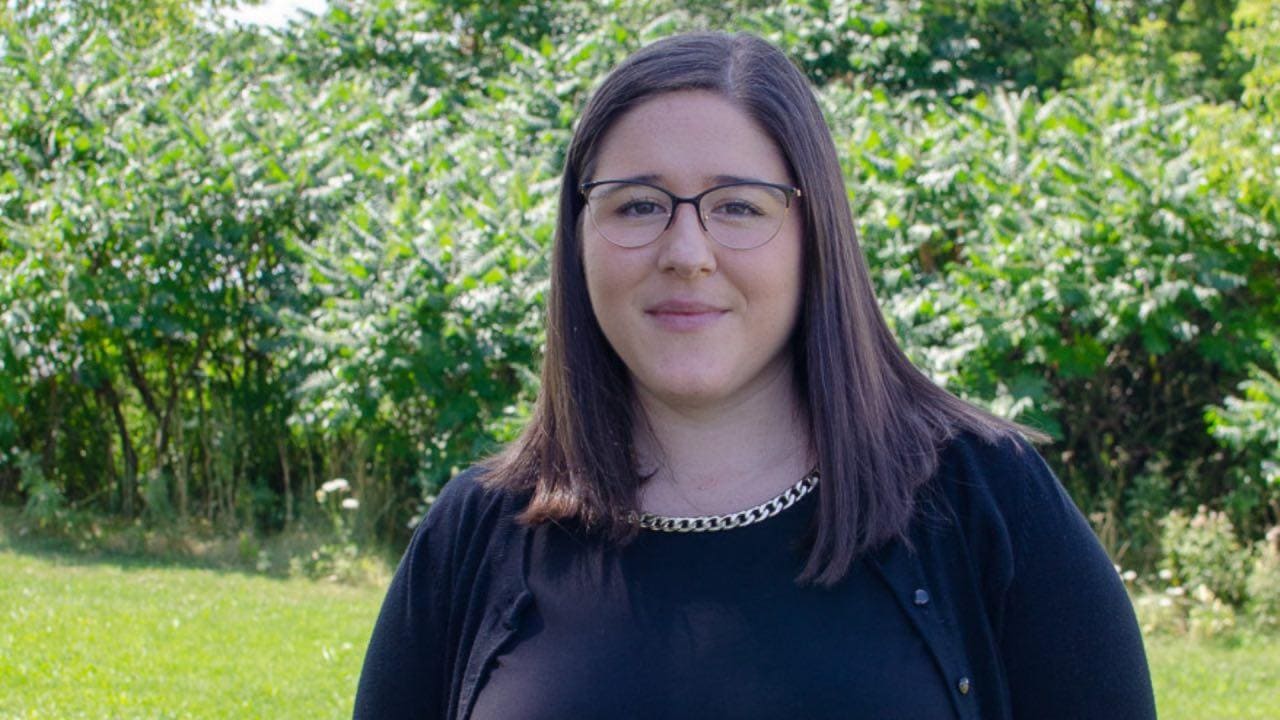
Shannon Accettone
Dr. Shannon Accettone, a professor in the Chemistry and Forensic Science departments, will focus on the re-development of undergraduate chemistry experiments to include more student-driven learning experiences. A shift to problem-based, inquiry-based, and argument-driven laboratory styles, allows students to construct their own knowledge and reflect upon the usefulness of various experimental designs, as they gain an increased appreciation for how scientific questions might be answered experimentally.
"I hope to enhance the laboratory learning experience of our chemistry and forensic chemistry students,” explains Professor Accettone. “I look forward to introducing our students to multiple ways of viewing and thinking about chemical experimentation, similar to the varied situations they may encounter when moving past their studies at Trent into their chosen careers.
Chris Furgal and Barbara Wall
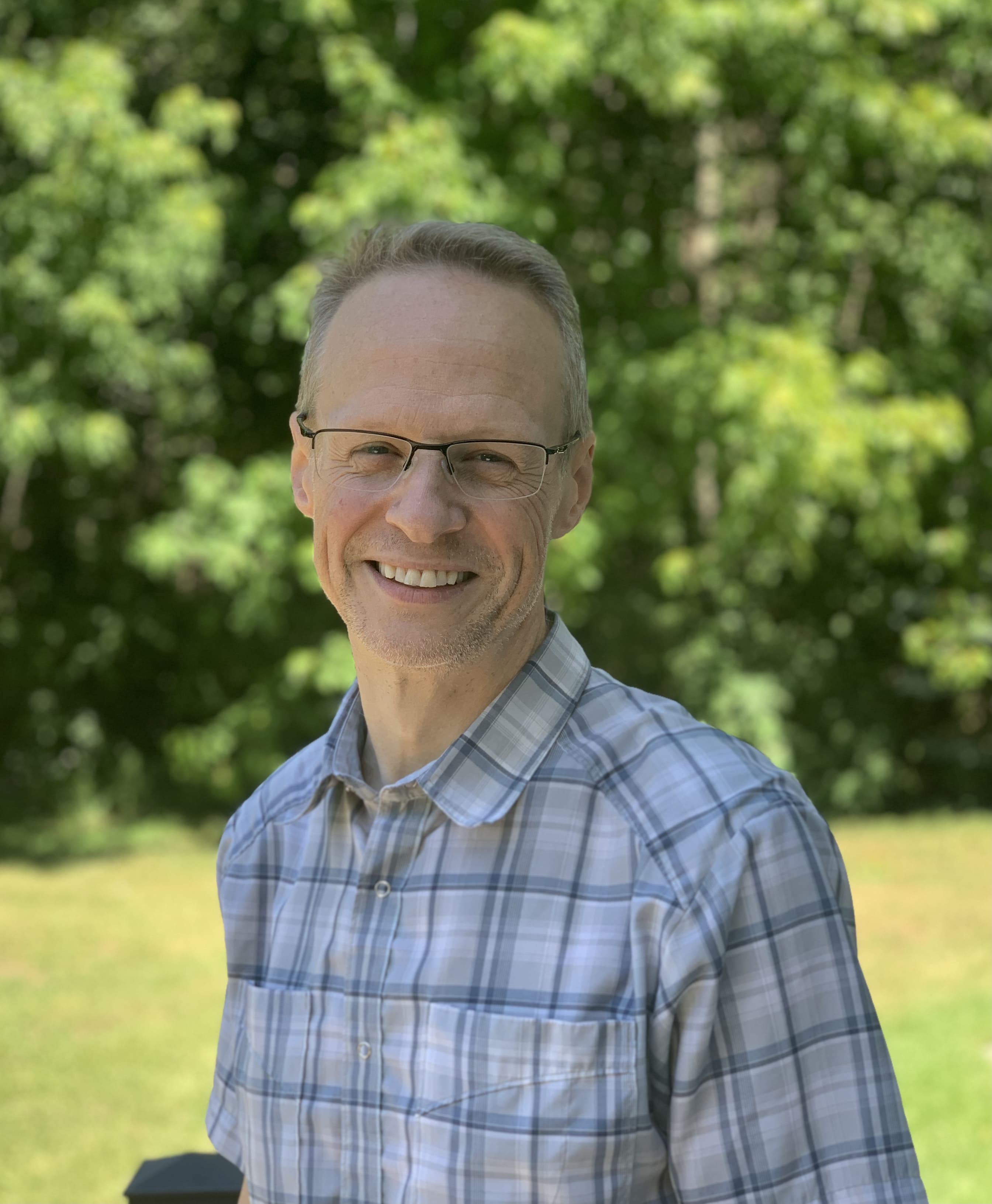
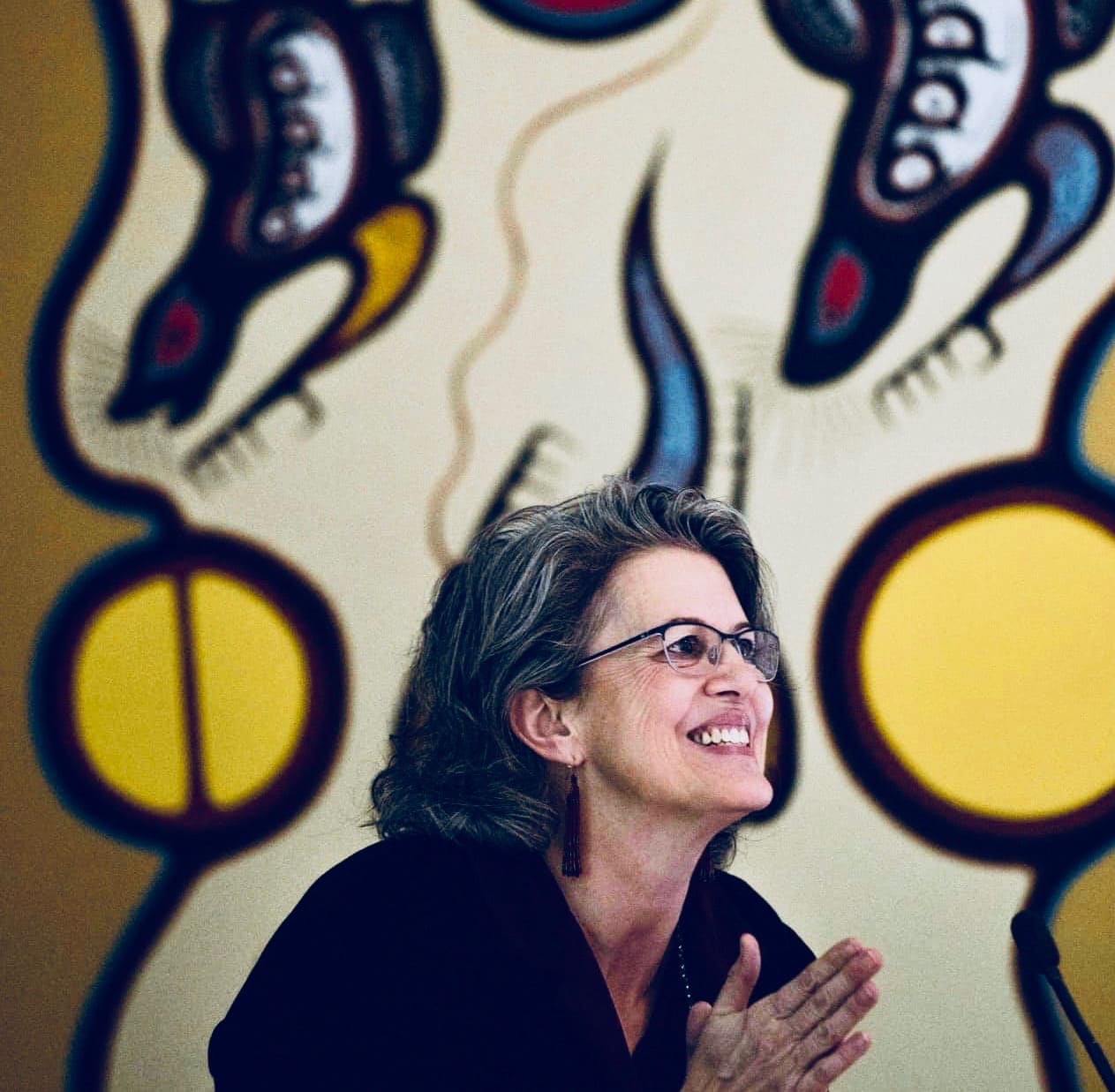
Photo credit Shelby Lisk
Dr. Chris Furgal and Professor Barbara Wall, of the Chanie Wenjack School for Indigenous Studies, will focus on enhancing the Indigenous Environmental Science and Studies (IESS) program at Trent University. This project aims to address the immediate need to update thinking about the IESS program, and create a scaffold for student success, as well as plan for the future growth of the program, setting the stage to attract leading Indigenous scholars into the program.
"I very much look forward to working with my colleague Professor Barbara Wall, and all of our IESS faculty, contract instructors and support staff to learn together to enhance, to the best of our abilities, our program to support the provision of opportunities for the development of our students' transdisciplinary skills in Indigenous Environmental Studies and Sciences," said Prof. Chris Furgal.
"The Trent Teaching Fellowship is an opportunity to positively impact student learning beyond my own classroom,” adds Prof. Barbara Wall. “Together, our work will push the transdisciplinary Indigenous Environmental Studies and Sciences program forward, and model the innovative and creative thinking we instill in our students.”
In subsequent project phases, Professors Wall and Furgal will enhance IESS curriculum with their findings, and report on opportunities, challenges and develop proposed metrics for course and program evaluation.
2020-2023 Teaching Fellows
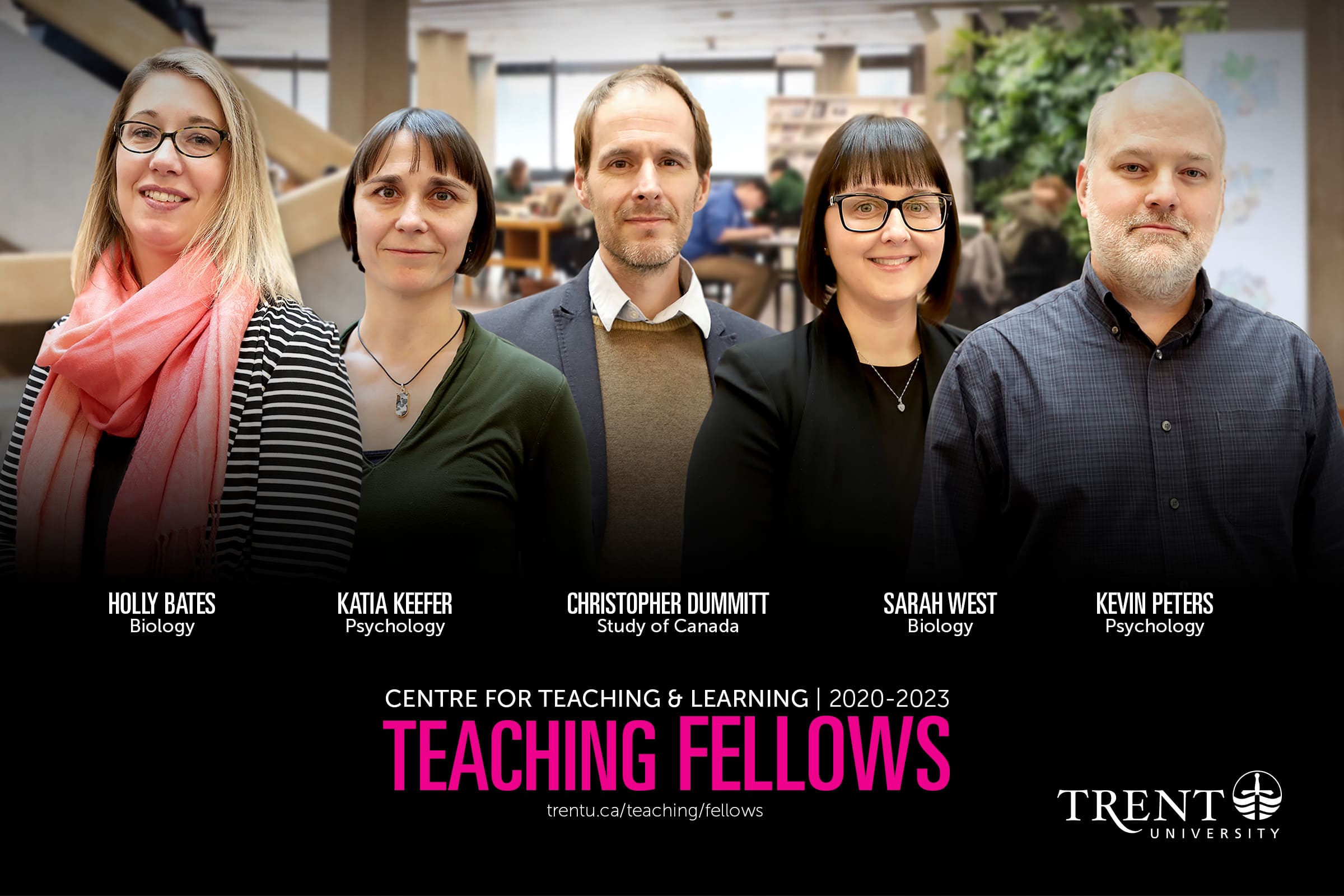
Holly Bates and Sarah West
Teaching Fellows Holly Bates and Sarah West will be completing a course curriculum overhaul for two major undergraduate first-year courses in Biology, BIOL1050H (Human Anatomy) and BIOL1051H (Human Physiology), offered in-person and online at both Durham and Peterborough campuses. These are required courses for students in Nursing, Forensics, Kinesiology and Biomedical Sciences. Bates and West aim to restructure the courses to have an integrated, systems-based approach to anatomy and physiology in order to address the ongoing challenges of helping students retain ideas and enhancing student learning and success. The project will include inter-departmental consultation as well as investigating similar models at other universities in order to better understand merging traditional and online learning resources. When asked to comment on what their teaching fellowship means to them, Bates and West responded, “We are very excited to take on this role as Trent Teaching Fellows. We look forward to growing as educators and gaining insight into how to optimize student success in these important courses. We will apply what we learn to the proposed project and other courses moving forward, and hope to grow as mentors in teaching at the University. We are thankful for this opportunity!”
Katia Keefer
Teaching Fellow Katia Keefer will be focusing on effective practices for peer assessment, as part of her ongoing SoTL research into transitions away from a purely instructor-focused design, to more learner-centered methods. The aim of peer assessment is to provide students with authentic collaborative opportunities to teach and learn from each other, and to develop valuable meta-cognitive and communication skills. Working within the framework of enquiry-based learning (EBL), which encourages active learning through the application of course material to real-life cases, the goal of Dr. Keefer’s project is to delineate best practices for implementing peer assessment with EBL and similar thinking- and writing-intensive assignments. She hopes that results of this project will inform further improvements to the design, implementation, and impact of peer assessment as a pedagogical tool that is also highly transferrable across courses, disciplines, and levels of study.
Christopher Dummitt
Teaching Fellow Christopher Dummitt is eager to access the collaboration and support that goes along with being part of the fellowship program. Throughout his fellowship, Dr. Dummitt will integrate his new podcast called 1867 & All That with a newly created Trent course, “The Almost Kingdom: Canada, 1837-1885” (CAST-HIST 2235). The result will be a ‘flipped class’, where much of the information usually covered in lectures and readings will be provided in the podcast. This will allow for greater emphasis on developing research skills, intensive writing projects, critical thinking, and reviewing key concepts during class time.
Kevin Peters
Teaching Fellow Kevin Peters will be conducting an exploratory mixed-methods research project that focuses on the group discussion component of two-stage tests. In these tests, students first write the test individually, in a traditional test format. In the second stage, students write the same test in small groups (up to 4 students). The two grades are weighted such that the individual and group scores contribute 85% and 15 % respectively to the final grade for each student. This project will include a qualitative analysis of the discussions that take place during the group test to examine how students navigate and negotiate ideas in the group. Kevin will be asking: how do students reach consensus and what types of reasoning and cognitive processes are being used for different test questions? Based on these data, a detailed questionnaire will also be developed and implemented, to learn more about student experiences with these tests. The goal of this project is to develop a better understanding of the group test component with the objective of improving its use as a pedagogical tool. Professor Peters is thrilled with the funding that comes with being a Teaching Fellow, and looks forward to continuing to explore ways to make his courses more interesting and engaging for students.
2018-2021 Teaching Fellows
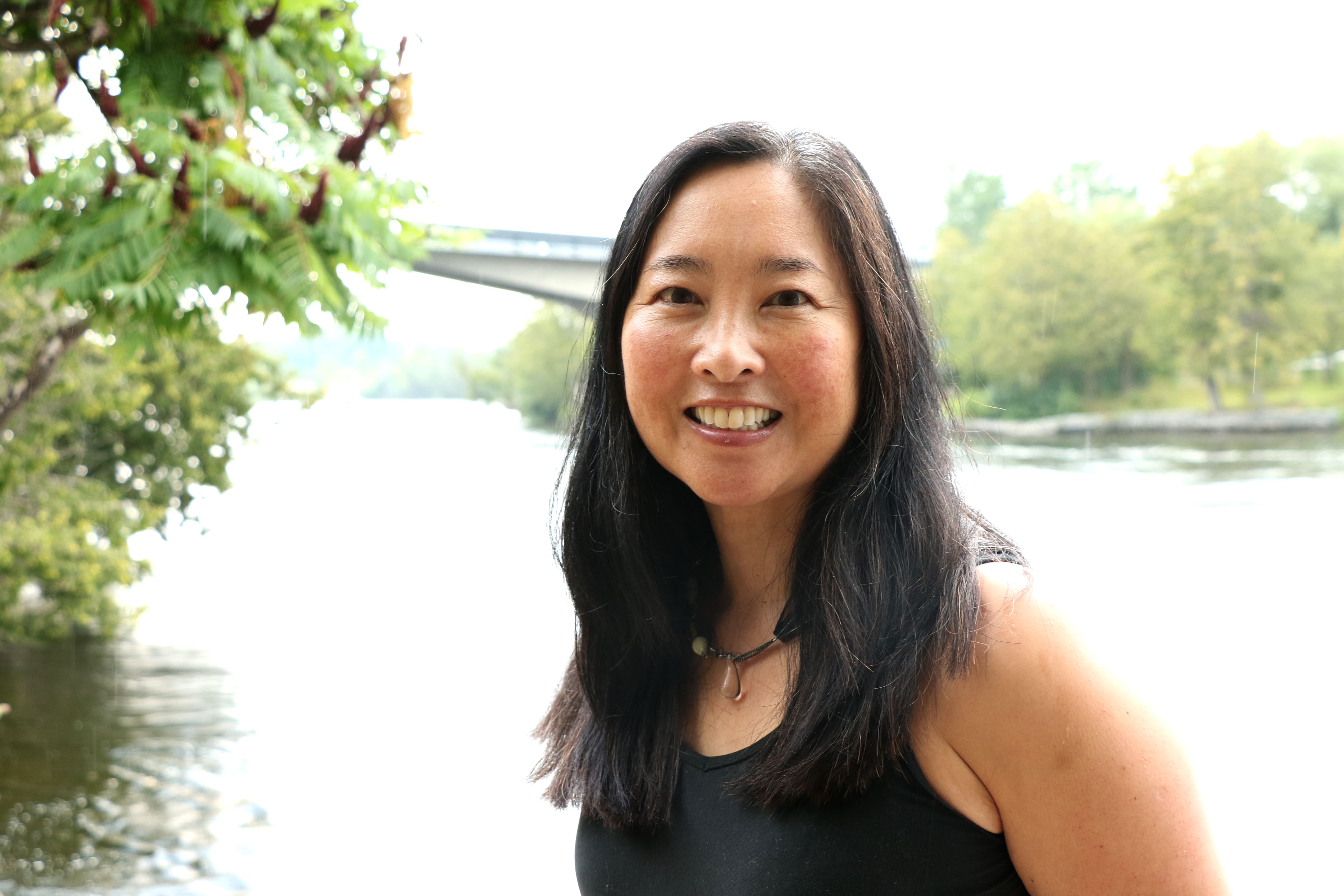 Nadine Changfoot
Teaching Fellow Nadine Changfoot, an Associate Professor who has taught in the Political Studies department since 2004, is focused on guiding student creation of critical content for Wikipedia in a range of subject areas within critical disability studies. The goals for students include the strengthening of targeted writing skills, media and information literacy, critical thinking, research skills, collaboration, and communication skills oriented toward the creation of critically informed content with rigorous research and citation of authoritative sources not only for Wikipedia, but also applicable public domain and open access knowledge sources.
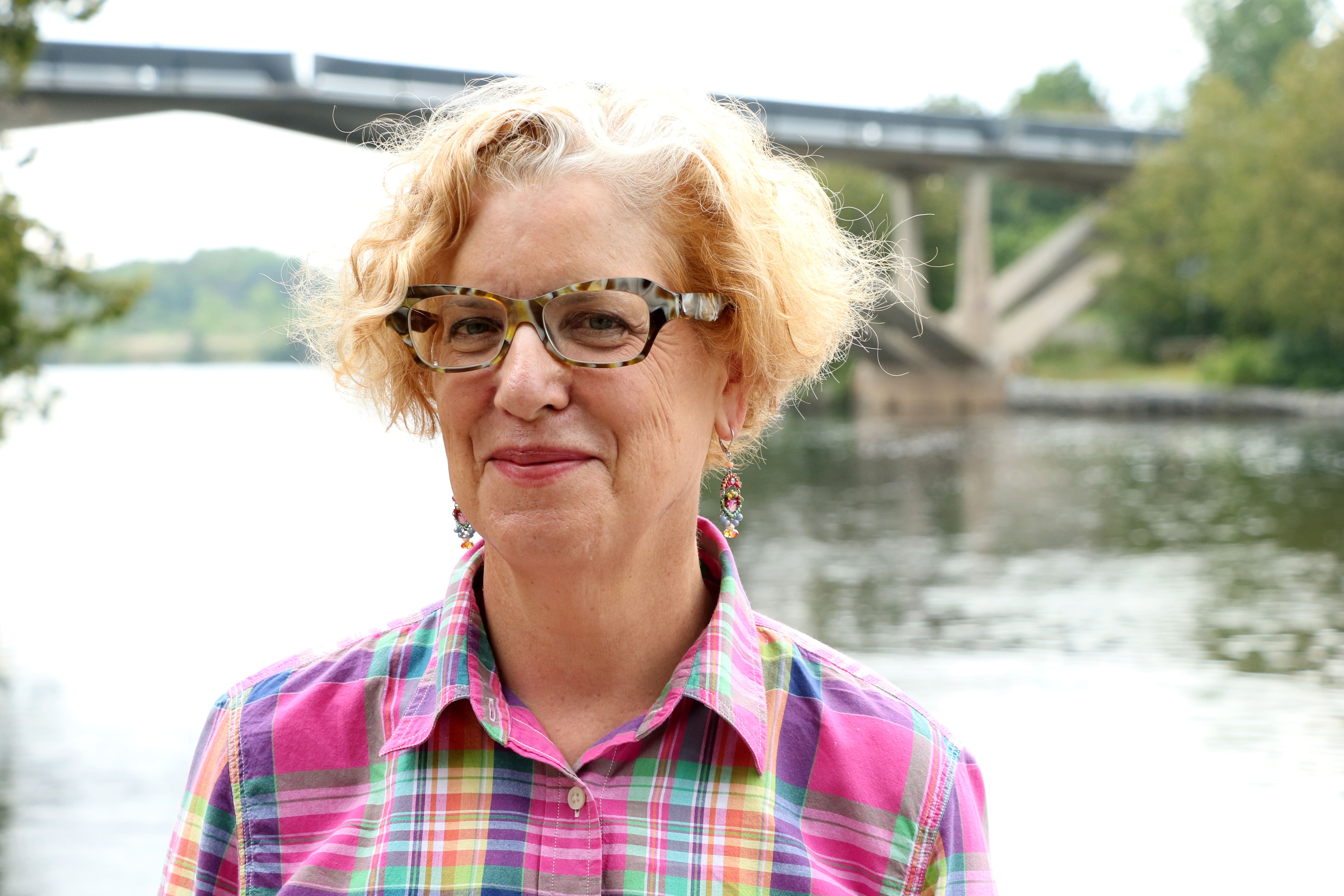 Carolyn Kay
Teaching Fellow Carolyn Kay, a Professor who has taught in the History department since 1990, is focused on designing and measuring approaches to teaching the history of genocide, with a particular emphasis on using innovative methods of learning, teaching, and evaluation, while simultaneously working to better understand factors that impact student anxiety in the course of learning difficult subject matter. The goals include increasing student understanding of genocide, deepening awareness of the human cost and the human experience of oppression in many different contexts, and evaluating different methods of instruction as to their effect upon student learning.
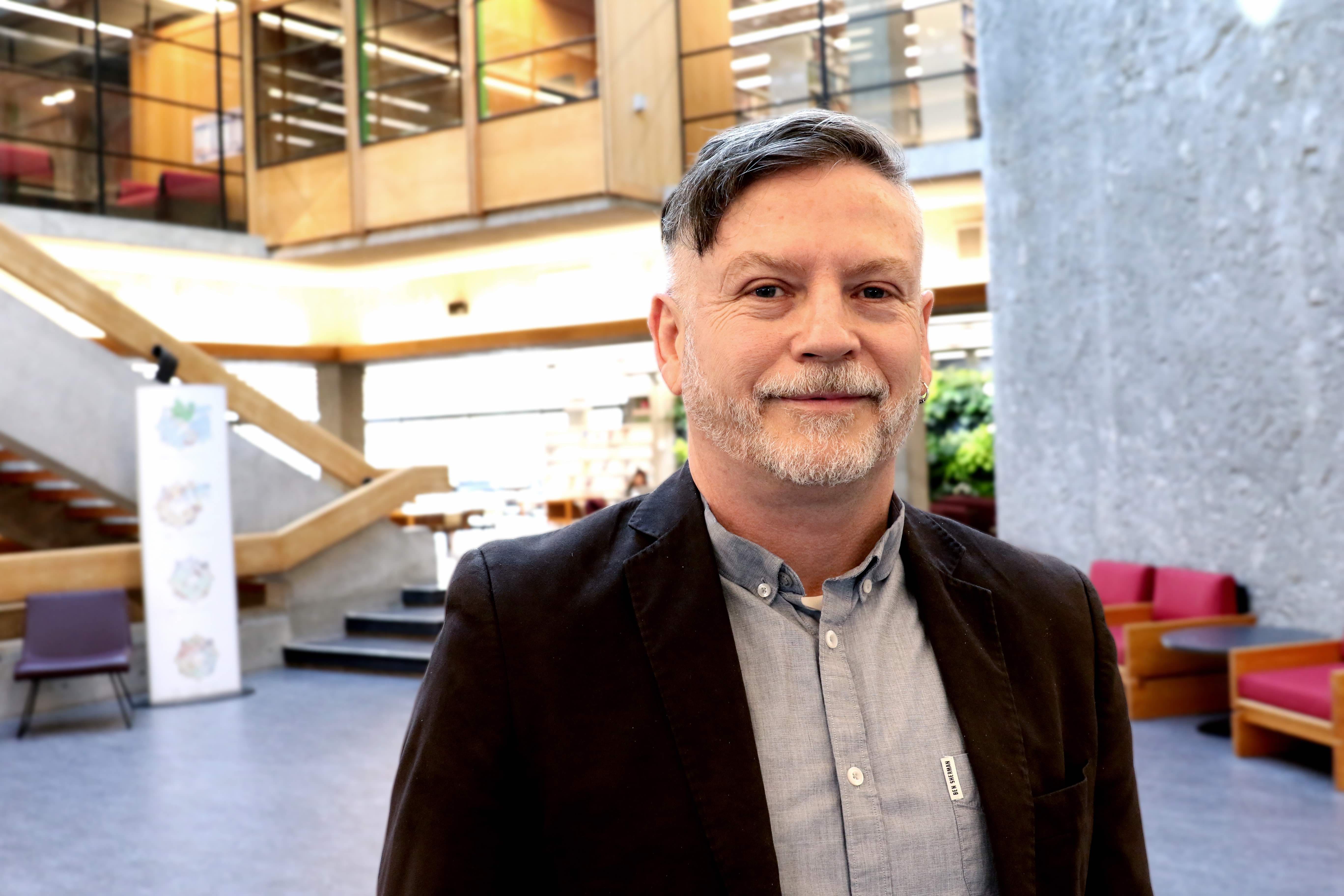 Fergal O’Hagan
Teaching Fellow Fergal O’Hagan, faculty in the Department of Psychology since 2008, is focused on improving the student learning experience in upper year undergraduate psychology statistics through the development, implementation, and evaluation of an active, problem-based learning approach focusing on real-world data problems. The aim is to improve overall motivation and ability to approach data problems by helping students develop understanding and technical skills through active, problem-based learning strategies that use problems relevant to contemporary issues in Psychology.
Former Fellows
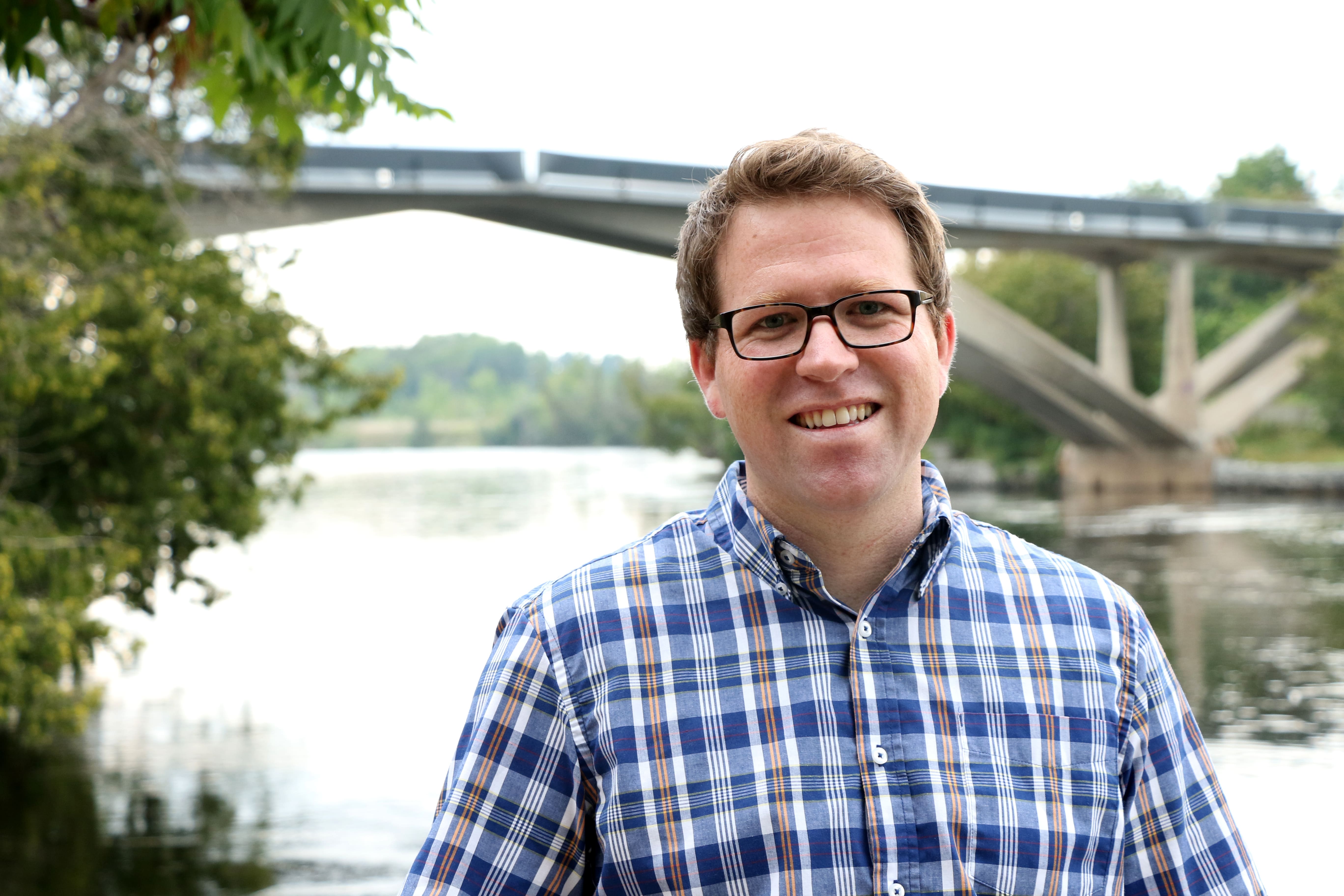
Michael Hickson
Teaching Fellow Michael Hickson, an Assistant Professor with the Philosophy department at the time of his Teaching Fellowship, was focused on developing a set of best practices for delivering case-based courses in applied ethics, as well as on developing strategies for incorporating current events from the news into case-based pedagogy. This work was intended to further strengthen the delivery of courses in applied ethics and enhance the capacity of students for critical engagement with the news.
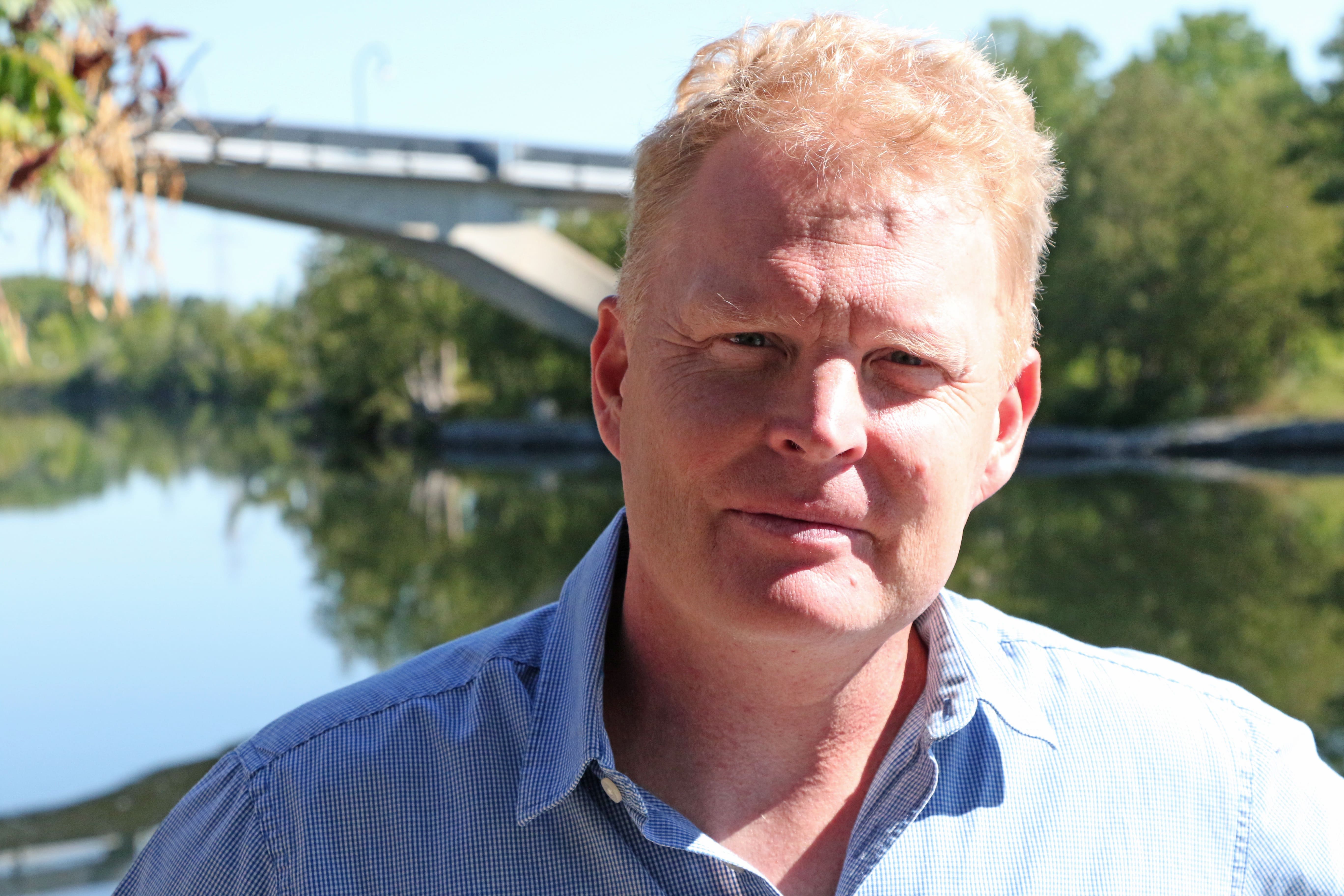
Stephen Hill
Stephen Hill, an Associate Professor with the School of the Environment at the time of his Teaching Fellowship, was focused on mapping and developing community-engaged learning at Trent through producing a comprehensive framework for student learning through community engagement, focused on environment and sustainability. His work explored how learners can be provided with the multiyear coordinated foundation of skills, knowledge, and competencies needed to be successful with community-based research projects.
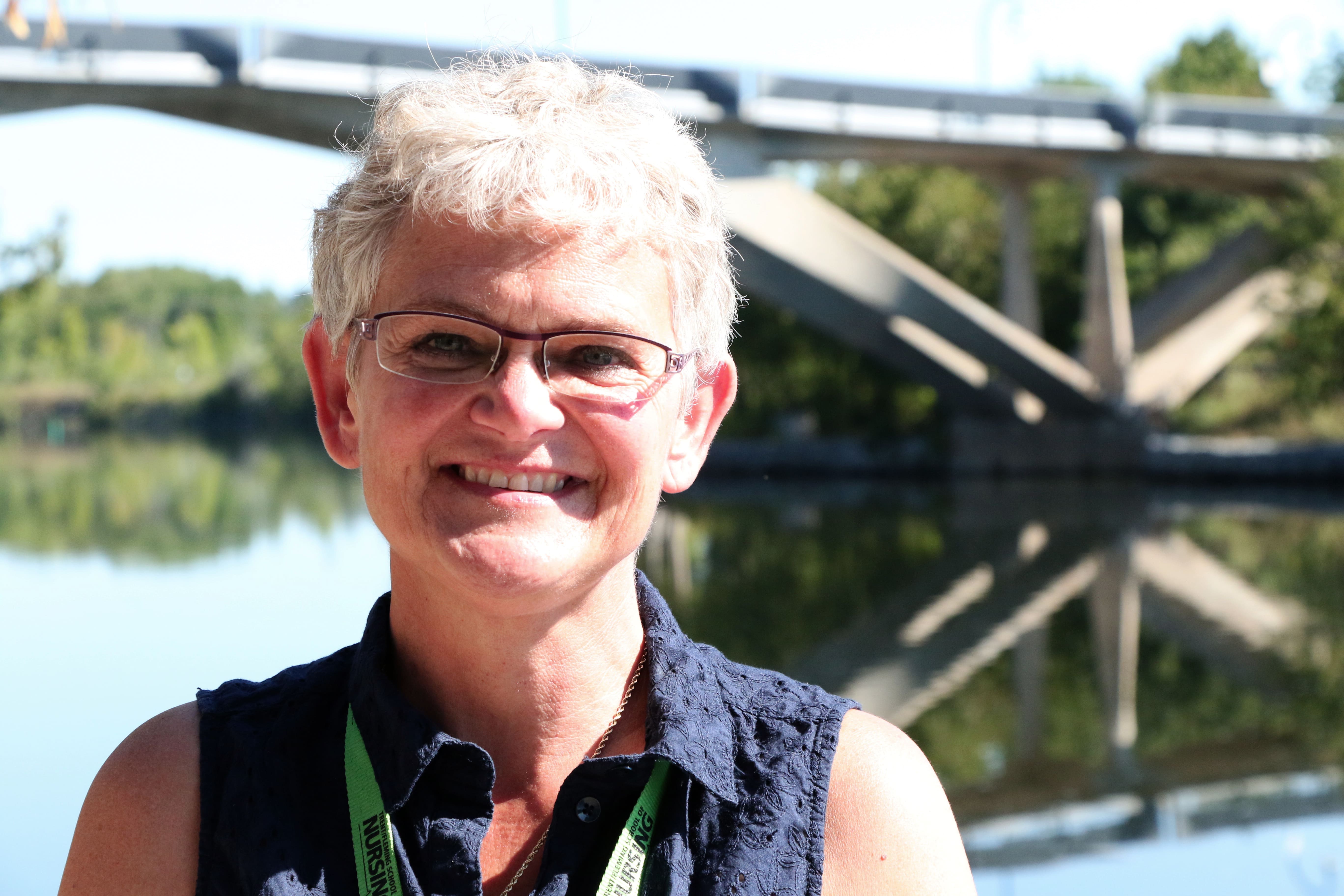 Jane Mackie
Jane Mackie, an Assistant Professor with the Trent/Fleming School of Nursing at the time of her Teaching Fellowship, was focused on developing a new approach to teaching medication dose calculations to first year nursing students at Trent. This work involved implementing a new “math for nursing” course designed to help students overcome the barriers to and provide meaningful learning for successful mastery of medication dose calculations. The course was based on the principles of active learning using a flipped-classroom to encourage meaningful learning.
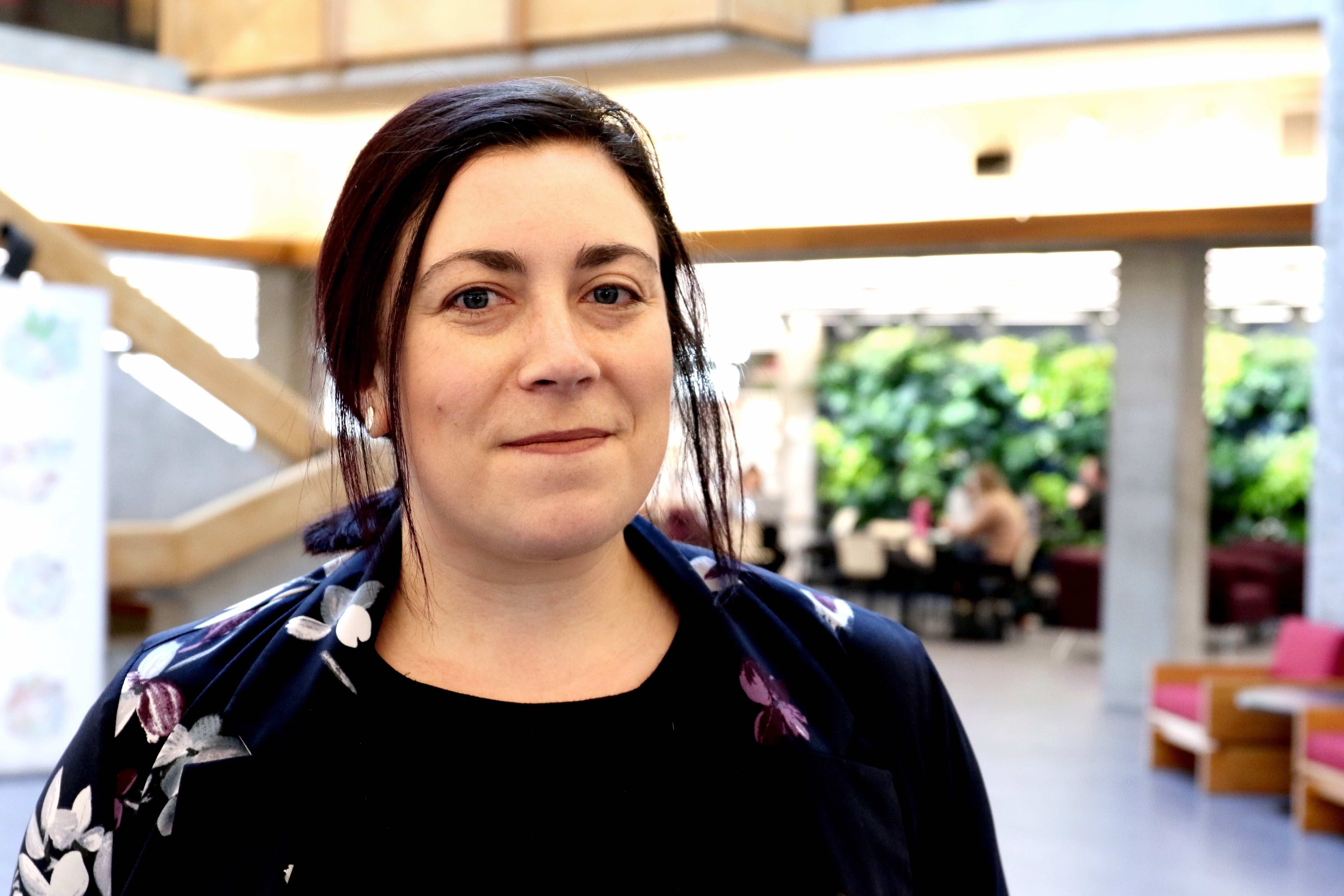 Theresa Stotesbury
Theresa Stotesbury, a Senior Lecturer cross-appointed to Chemistry and Forensic Science at the time of her Fellowship, was focused on investigating the efficacy of implementing augmented reality technologies into her forensic chemistry classroom. Her research in experiential learning was situated at the interface between the fundamental (chemistry) and the applied (forensic science) and she hoped to learn how chemical knowledge and the environment can affect decision making in the laboratory and at the crime scene.