
For the 2025-2026 Academic Year, the Trent Teaching Commons is thrilled to offer an Accessibility in Teaching and Learning Speaker Series funded by our Distinguished Visiting Teaching Scholar's fund. From the K-12 context, to supporting neurodiversity, to Universal Design for Learning and digital accessibility, the TTC has sourced scholars from across Canada to bring their research and expertise to campus. This series will be offered fully online and is open to all faculty and teaching support staff who are excited to learn more about making their classrooms more inclusive and accessible.
You can learn more about these events and register on our events page.
Dr. Meadow Schroeder
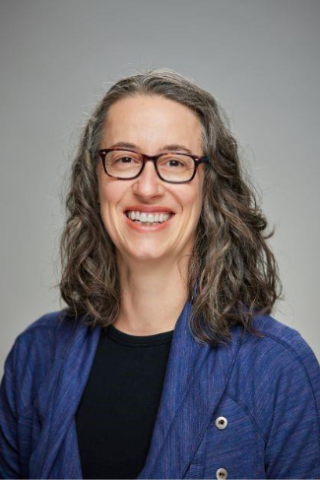
Meadow Schroeder, PhD, R Psych is an Associate Professor in the Werklund School of Education at the University of Calgary. She has been teaching and mentoring graduate students in educational psychology for over a decade. She has taught school psychology and counselling courses in assessment, intervention, and ethics. Her main research interests include how students with disabilities are supported in the educational setting, diagnostic decision-making, and self-regulated learning.
Supporting Neurodiversity in the Classroom
This session will review characteristics of students with neurodiversity including ADHD and Autism. It will then discuss how symptoms can affect education performance and other expectations at the postsecondary level. It will conclude with case studies where the audience will work together to generate ideas for how to support students of diversity.
Date: Wednesday, October 1st, 2025
Time: 10AM - 1PM
Location: Online via Zoom
Dr. Gillian Parekh
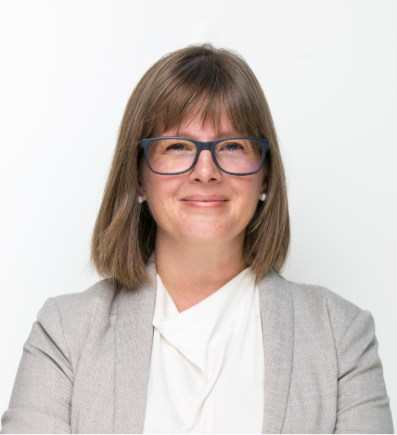
Gillian Parekh is an Associate Professor and Canada Research Chair in Disability Studies in Education within the Faculty of Education at York University. Gillian is also cross-appointed with York University's graduate program in Critical Disability studies within the Faculty of Health. As a previous teacher in special education and research coordinator with the Toronto District School Board, Gillian has conducted extensive system and school-based research across Ontario in the areas of structural equity, special education, and academic streaming. In particular, her work explores how schools construct and respond to disability as well as how students are organized across programs and systems.
Practical Accessibility Strategies and Exploring the K-12 Context
For close to 20 years, Dr. Gillian Parekh has been exploring the relationship between the structural organization of education and accessible, inclusive pedagogy. Drawing on her work from the K-12 public education system in Ontario, Gillian hopes to share key research findings along with practical strategies to enhance access, equity, and social justice in postsecondary classrooms.
Date: Wednesday, November 19th, 2025
Time: 1PM - 3PM
Location: Online via Zoom
Dr. Ann Gagné
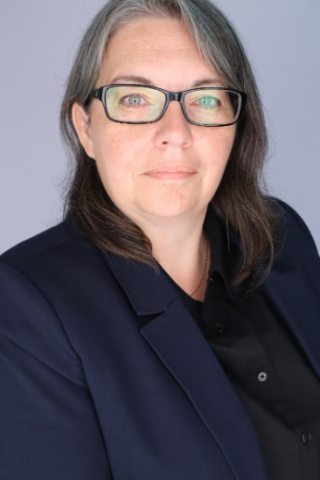
Ann Gagné (she/her) is Senior Educational Developer, Accessibility & Inclusion at Brock University. She has worked in higher education for over 21 years. Her work focuses on the need for accessible pedagogies through holistic awareness of disabled learners, faculty, and staff lived experiences to decrease barriers to inclusion in higher education. She has facilitated workshops and keynotes on accessible pedagogy, accessible event design, accessible social media, and trauma-aware UDL. In March 2023 she started her own podcast Accessagogy, which talks about accessibility and pedagogy in short (under 15 minute) episodes.
Understanding Accessible Pedagogy Beyond UDL
The framing of accessible pedagogy within the context of higher education is often reduced to conversations around Universal Design for Learning (UDL) as both the start and the limit of what needs to be taken into account in accessible course design. This session will start with UDL and then go on to frame other considerations that are part of accessible pedagogical design which are important to consider in different course delivery modalities (synchronous, asynchronous, online, on-campus). We will address word choice as well as accessible engagement strategies that go beyond limiting views seen in some disciplinary signature pedagogies. Through case scenarios and question prompts the session will approach accessible pedagogy in a holistic way that holds space for the lived reality of multi-marginalized learners and teaching teams in higher education. Participants will leave with practical support strategies and the opportunity to create meaningful goals for accessible pedagogical practice in their own contexts.
Date: Wednesday, February 4th, 2026
Time: 10AM - 12PM
Location: Online via Zoom - REGISTER HERE
Kim Ashbourne
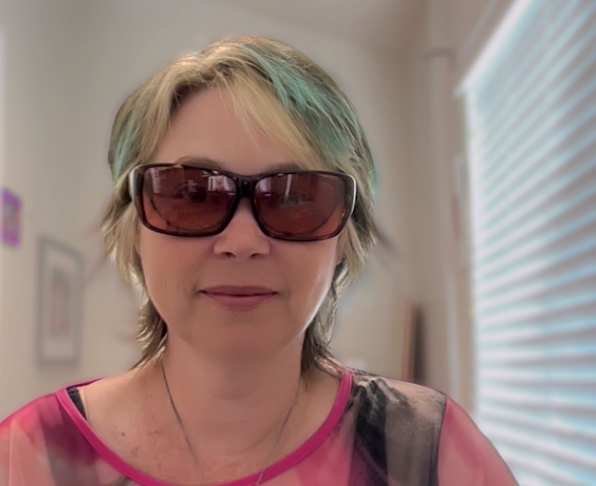
Kim Ashbourne’s BCcampus Fellowship research investigates the intersections of digital accessibility, disability justice, digital practices, and praxis in post-secondary. Kim began digital accessibility advocacy as an instructor in Humber College’s Professional Writing and Communications program. Then, while pursuing her Master of Education in Educational Technology from the University of Victoria, she worked as a learning experience designer focused on accessibility. She experienced the COVID pivot online and back again from three perspectives: as a disabled learner, as a digital accessibility in education researcher, and as a learning designer supporting educators who at first struggled to get courses online, let alone meet the digital accessibility needs of disabled learners. This unique experience continues to inform her research, as does her personal experience of disability, as does the paid and unpaid, centred, and marginalized work of disability rights and disability justice activists, artists and scholars. Kim is the editor of candare.ca, she writes, and delivers workshops on transformative digital accessibility at conferences and universities in Canada and the US.
A Praxis-Informed Approach to Digital Accessibility
You are doing what you can to engage learners, but are your day-to-day digital practices, digital technology choices, and pedagogical practices inadvertently disabling or marginalizing learners with disabilities? Digital accessibility in education is often framed as a technical/compliance issue. However, that framing has done learners and educators a disservice by sidelining the educative considerations, and the potential for digital accessibility practices to foster transformative learning experiences.
This interactive workshop shares research and tools for educators to develop a transformative digital accessibility praxis. It draws on the liberatory pedagogical perspectives, transformative research methodology, disabled learner voices and the Disability Justice movement.
Intended Audience: Educators who are, or want to be, mindful of how the digital practices of a learning community affect the learning experiences of students with disabilities, and students who use assistive technologies in learning environments. This session assumer a basic understanding of Trent's responsibilities to meet digital accessibility standards under the AODA.
What Participants Can Expect: This session is a space to discuss digital practices in post-secondary through liberatory pedagogy and Disability Justice lenses. It isn't a techie session. We'll use our time to share strategies for centering digital accessibility in our teaching praxis, and talk about opportunities to skill build, and make meaningful changes for learners. Educators with disabilities, and people who use assistive technologies in their daily workflow will find you experiences will be valuable here.
Date: Wednesday, July 15, 2026
Time: 1PM - 3PM
Location: Online via Zoom - REGISTER HERE