
Bioenvironmental Monitoring & Assessment G.Dip.
As part of this online professional program, gain professional skills and practical experience. This combination is attractive to organizations that require deeper understanding of specialized monitoring and assessment issues, including all levels of government, conservation authorities, non-profit organizations and environmental consulting companies.
In this eight-month professional course-based graduate diploma (G.Dip.), you will complete six online courses. The program can be completely online, though some elective courses may be available in face-to-face format at the Symons Campus in Peterborough.
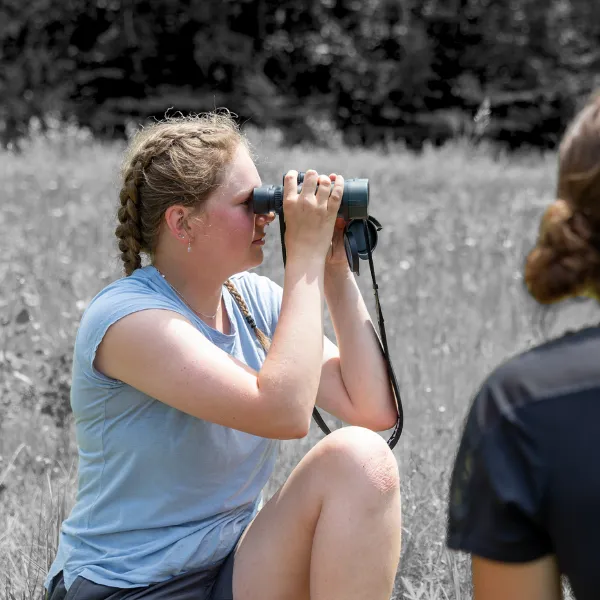
Gain a foundational understanding of the principles, technical aspects and human dimensions of environmental monitoring and assessment. Our professional programs will equip you with key skills and knowledge sought after by leading organizations in the environmental sector.
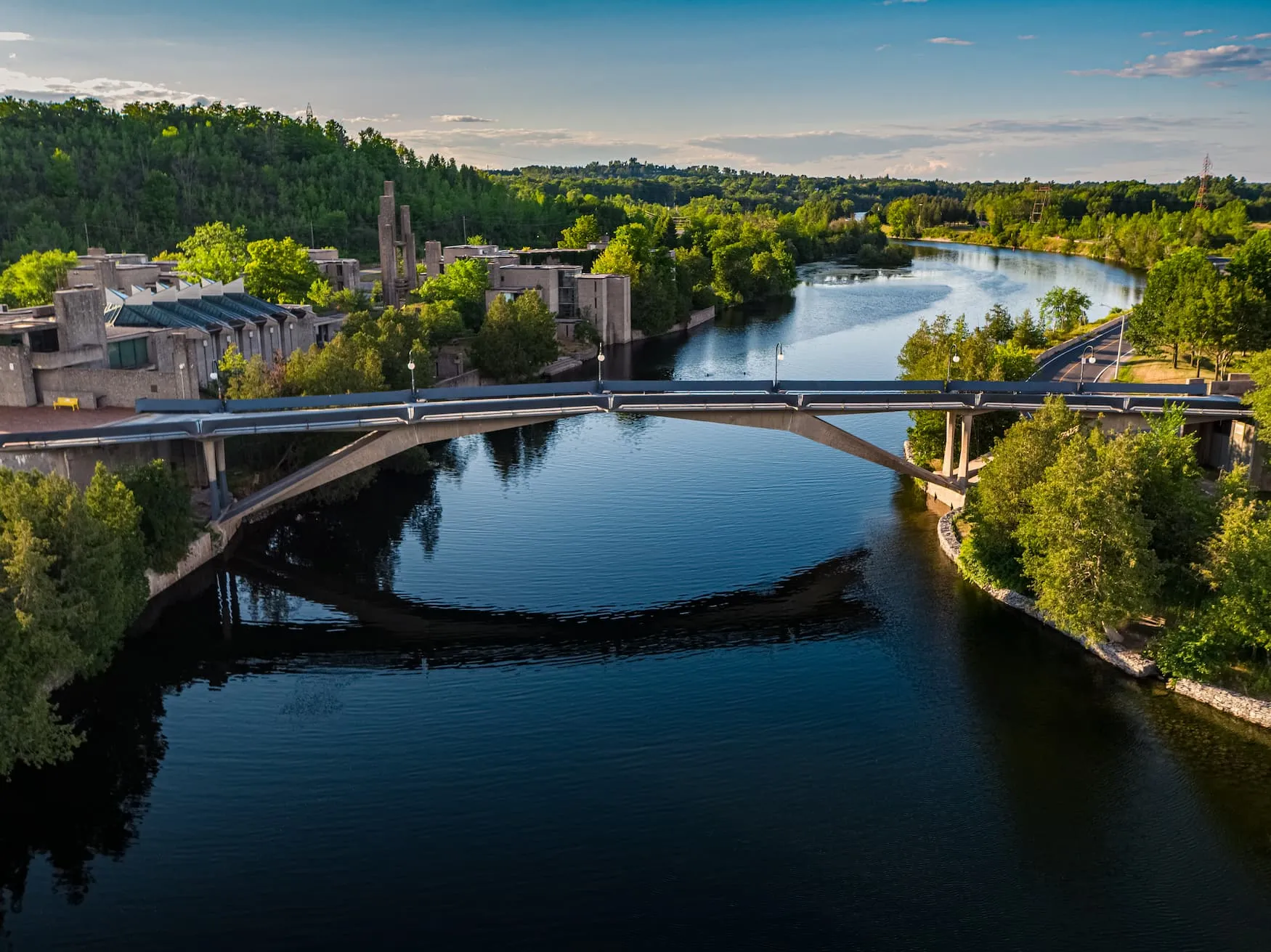
Trent has been home to 2 Nobel Prize winners
10 Canada Research Chairs conduct innovative research at Trent
We are proud to be one of the top 3 greenest campuses in Canada
Eligibility Requirements
- B.Sc. Honours degree (a four-year undergraduate bachelor’s degree) in the Sciences
- Minimum B+ (77%) or equivalent in the last two years of full-time study, or last ten full academic credits
Eligibility Requirements
- B.Sc. Honours degree (a four-year undergraduate bachelor’s degree) in the Sciences
- Minimum B+ (77%) or equivalent in the last two years of full-time study, or last ten full academic credits
- Proof of English Proficiency: All international applicants must provide proof of an adequate level of English proficiency regardless of their citizenship status or country of origin. Please visit our How to Apply: International page for details on English Language Proficiency requirements
- A GRE test score is not required for admission into this program
All applicants, domestic and international, must submit the following documents to complete their application:
- Transcripts: Unofficial copies of all post-secondary transcripts
- 2 letters of reference: Academic references are preferred; however, one professional references can be accepted. Reference forms will be emailed to the referees that you have appointed on OUAC
- Plan of Study/Personal Statement: 1-2 pages outlining your objectives in a graduate program. Any specific research interests, relevant experiences, and/or career aspirations can be included
- Detailed Resume or Curriculum Vitae
- Proof of Citizenship (ie. copy of passport or birth certificate)
For more information on submitting transcripts, re-sending reference links and other application questions, please visit our How to Apply: Domestic or International pages and review Step 4, as well as review our Frequently Asked Questions (FAQ).
Learn more about tuition & fees
Professional programs do not offer funding as part of the letter of offer. It is expected that graduate students in these programs will have funds to support themselves for the duration of their studies.
Financial Aid can provide information about provincial loan programs for domestic students, as well as bursary opportunities for both domestic and international students.
Trent has clear pathways for graduate students to apply and be admitted to study for their master's or doctorate at either of our campuses. Please review admission requirements for your program before applying.


As a young environmental professional, the BEMA Graduate Diploma offered a flexible and engaging way to advance my education. This allowed me to balance my studies with my professional commitments, which was essential as I navigated the early stages of my career. The diverse selection of courses allowed me to not only explore my interests but gain valuable professional skills I currently utilize in my workplace. I graduated with both a deeper understanding of my field and greater confidence in my ability to excel in my current role.

Dr. Hossie's research focuses on behavioural ecology and population biology of amphibian and insect systems, including predator-prey interactions and understanding ecological and evolutionary mechanisms. His recent research has focused on rare salamander populations on Pelee Island in Ontario and he teaches the Data Analysis course in the BEMA Program. His conservation efforts include leading efforts on the Trent campus in 2023 to redesign and replace a section of existing curb to help salamanders reach their wetland breeding site more safely.

Dr. Frost is the David Schindler Endowed Professor of Aquatic Science and focuses on how nutrients affect animals and their foodweb interactions in aquatic ecosystems. His current research examines animal responses (biochemical, physiological and population-level) to interactions among nutritional and environmental stressors in the laboratory and in the field, using a diverse collection of aquatic life from aquatic plants and algae to mayflies and zooplankton.