
How do we understand humanity from our earliest origins to the complex societies of today? At Trent, you’ll investigate the human story from our earliest ancestors to modern global communities through all four fields of anthropology: archaeological, biological, cultural, and linguistics.
- Gain hands-on experience through archaeological field schools in Canada, Belize, and Greece, conduct independent research with internationally recognized faculty
- Graduate with up to 12 months of paid professional experience through the Anthropology co-op program.
- Whether analyzing ancient civilizations, studying human evolution, or exploring contemporary cultures, you’ll build research, communication, and analytical skills for careers in museums, archives, conservation, community heritage, environmental planning, and community development.
Accelerated Masters
Fast-track your education, by earning your M.A. or M.Sc. in Anthropology in only 16-20 months after graduating from your Honours B.A. or B.Sc.
Learn from renowned experts and researchers in one of the most highly regarded Anthropology programs in Canada, exploring all aspects of the human experience.
Gain valuable career experience while earning academic credit.
Requirements
If you are coming straight from high school in Ontario or are a recent grad, the general admission requirements are:
- Ontario Secondary School Diploma (OSSD)
- A minimum of six Grade 12 4U or 4M courses, including program-specific prerequisites
- ENG4U with a minimum of 60%
| Admission Requirements | Recommended Admission Requirements | Estimated Admission Average | Co-op Admission Average |
|---|---|---|---|
| ENG4U | 4U Math (B.Sc) | 70-75% | 80-85% |
Requirements
Students from across Canada can use their grades from their home province to apply to Trent.
Requirements
International students from outside Canada can apply based on the curriculum of their home country.
Requirements
Mature students can apply to Trent based on previous education and professional or volunteer experience.
Requirements
With many transfer agreements and flexible pathway options, Trent University makes it easy for students to make the most of the credits you have already earned.
- Anthropology Faculty Prize
- Bagnani Anthropology, Archaeology & Classics Fund
- Linda Hubbell Book Prize
- Anne Keenleyside Anthropology Prize
- Otto Roesch Memorial Prize
- Joseph So Prize in Biological/Medical Anthropology
- Vanhaverbeke Family Prize in Anthropology
- Bagnani Undergraduate Awards
- Cranston Family Award
Whether you're graduating from an Ontario high school, looking to study in Canada, or training for a second career, Trent has clear pathways for students to apply and be admitted to study at either of our campuses.
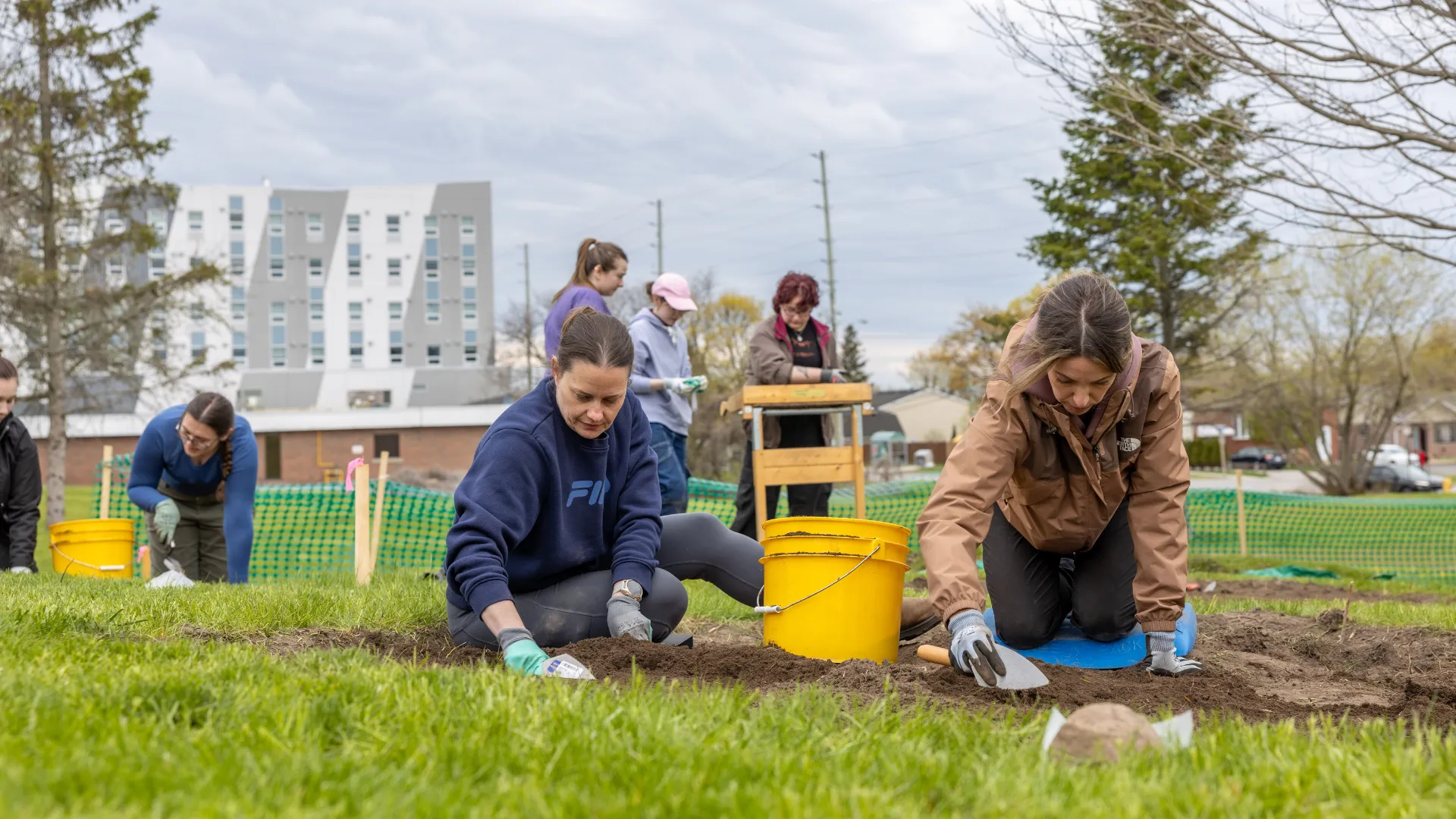

Anthropology has something for everyone. Whether you're interested in religion, arts, or languages, there's something that will interest you.
- Graduate with paid work experience completing three 12–16-week work terms in the summer of years two and three, and the fall of year four, all as part of your four-year degree.
- Explore opportunities in museums, archives, arts and culture, heritage, conservation, environmental planning and community development. Combine two terms to take on longer-term projects in research, cultural programming, evaluation, or policy.
- Conduct independent research with globally recognized Trent scholars and present your findings at the undergraduate research colloquium.
- Perform specialized archaeological research in Trent’s Human Bioarchaeology Research Lab. Projects have included isotope analysis in the Chilean Andes, Maya archaeological mapping and archaeological excavation in Ontario.
- Discover ancient civilizations through field schools in Canada, Belize and Greece, gaining hands-on excavation, experience at sites such as the Ka’Kabish Maya archaeological site in Belize or develop bioarchaeological field and laboratory skills in Canada.
- Take your studies around the world with opportunities in 35 countries, including a semester or year at Galen University in Belize studying topics such as human biological variation, medical anthropology, forensic anthropology and Maya prehistory while earning credits toward your Trent degree.
- Complete a paid internship as an Anthropology student. Previous students have interned at the Royal Ontario Museum's Natural History Department in museum collections and entomology research.