
Archaeological remains of biological materials (humans, animals, and plants) can offer key insights into the ecology, culture, and lived experiences of people, animals, and communities in the past.
This hands-on specialization features a strong lab and applied learning component, equipping you with a practical skill set in the study, identification, and characterization of human and other biological samples from archaeological contexts.
Course & Requirements
Students who have fulfilled the requirements for a single- or joint-major Bachelor of Arts or a Bachelor of Science degree in Archaeology may graduate with a Specialization in Bioarchaeology if they have successfully completed the following 4.0 credits:
- 2.0 ANTH credits consisting of:
- ANTH 2410H: Biological Anthropology: Darwin, Death, and Disease
- ANTH-BIOL-FRSC 3404H: Human Osteology
- ANTH-FRSC 3405H: Forensic Anthropology
- ANTH 4430H: Advanced Skeletal Biology
- 2.0 ANTH credits from:
- ANTH 2123H: Archaeology II: Methods of Analysis
- ANTH 2150H: Archaeological Science I: Introduction to Archaeological Science
- ANTH 3151H: Lab Methods: Lithics and Bone
- ANTH-BIOL-FRSC 3153H: Archaeological Science II: Ancient Biomolecules
- ANTH-BIOL 3460H: Biocultural Explorations of the Human Life Course
- ANTH 3540H: Mortuary Archaeology
- ANTH 3731H: Archaeozoology
- ANTH 4420H: Palaeopathology
- ANTH 4500H: Advanced Archaeological Lab Methods
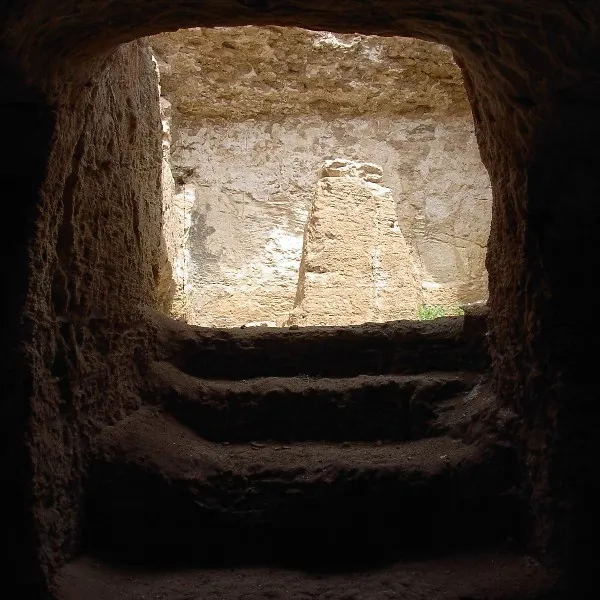
Hone your scientific skills examining biological remains from archaeological sites.