
Explore the science behind protecting life on Earth in Canada’s first and only Conservation Biology degree of its kind. Investigate biodiversity loss and the impact of human activity on species and ecosystems while building expertise in ecology, evolution, animal and plant diversity, behavior and genetics. Drawing on multiple sciences, you will develop the knowledge and practical skills to design evidence-based solutions to complex conservation challenges.
- Use Trent’s campus as your outdoor laboratory, studying living systems first-hand across 11 on-campus nature areas alongside notable conservationists and biologists.
- Choose how you gain professional experience through a four-year pathway featuring a fourth-year work placement or a five-year co-op stream with three paid work terms.
- Connect your learning to real conservation work through field experiences and opportunities with organizations such as Parks Canada, the Ministry of Natural Resources and Forestry, Nature Conservancy Canada, and the Toronto Zoo.
- Build career-ready skills in scientific research, critical thinking and communication while preparing to help conserve species, habitats, and ecosystems.
Accelerated Masters
Fast-track your education, by earning your M.Sc. in Environmental & Life Sciences in only 12-20 months of graduating from your Honours B.Sc.
Study in Ontario’s only Conservation Biology program, learning from expert faculty and gaining career-ready experience through unique partnerships with leading conservation organizations and agencies.
Gain valuable career experience while earning academic credit.
Requirements
If you are coming straight from high school in Ontario or are a recent grad, the general admission requirements are:
- Ontario Secondary School Diploma (OSSD)
- A minimum of six Grade 12 4U or 4M courses, including program-specific prerequisites
- ENG4U with a minimum of 60%
| Admission Requirements | Recommended Admission Requirements | Estimated Admission Average | Co-op Admission Average |
|---|---|---|---|
| ENG4U, SBI4U, SCH4U, one of MHF4U or MCV4U | SPH4U | 80-85% | 85-90% |
Requirements
Students from across Canada can use their grades from their home province to apply to Trent.
Requirements
International students from outside Canada can apply based on the curriculum of their home country.
Requirements
Mature students can apply to Trent based on previous education and professional or volunteer experience.
Requirements
With many transfer agreements and flexible pathway options, Trent University makes it easy for students to make the most of the credits you have already earned.
- Dr. Erica Nol Biology Prize
Whether you're graduating from an Ontario high school, looking to study in Canada, or training for a second career, Trent has clear pathways for students to apply and be admitted to study at either of our campuses.
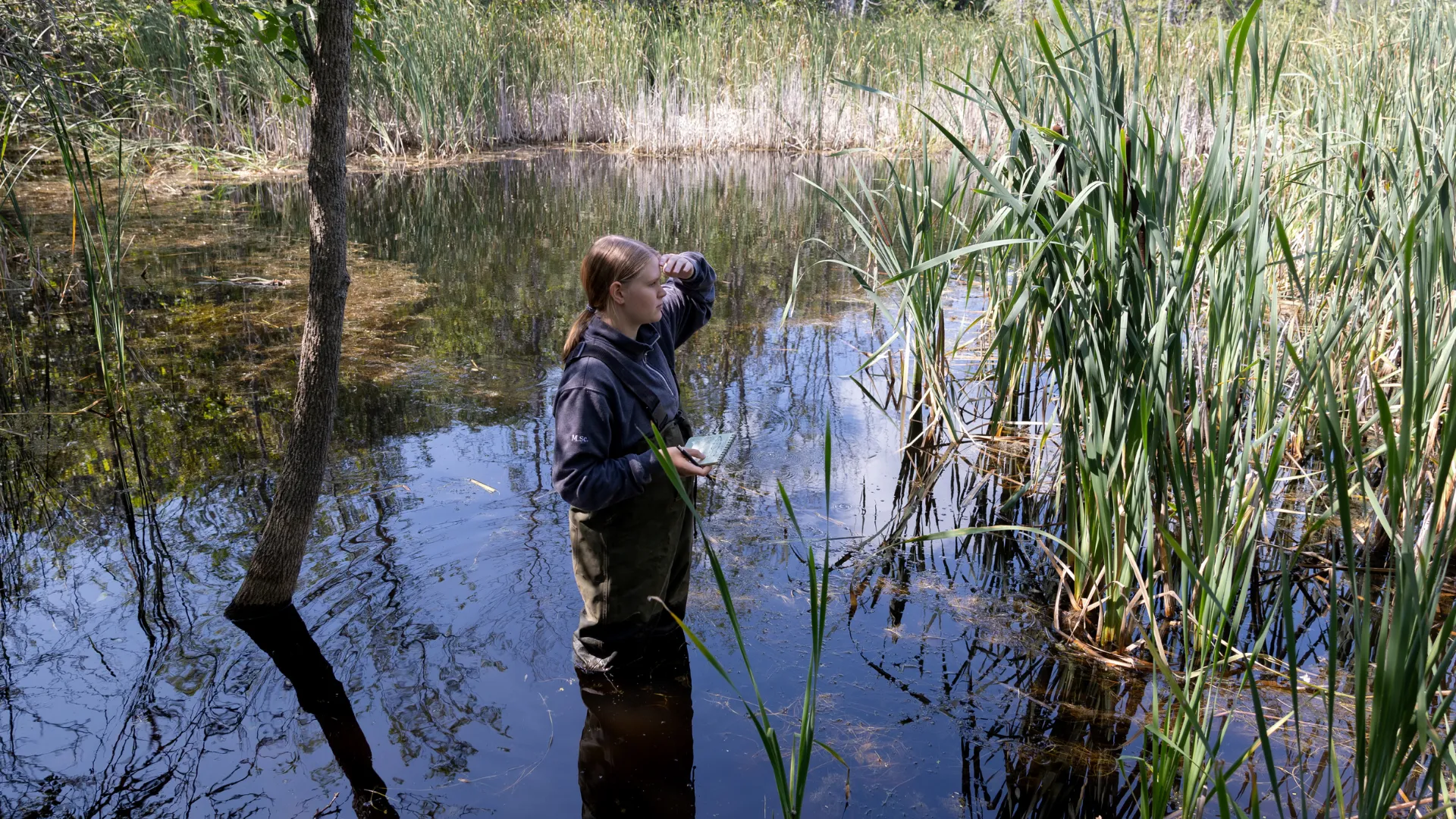
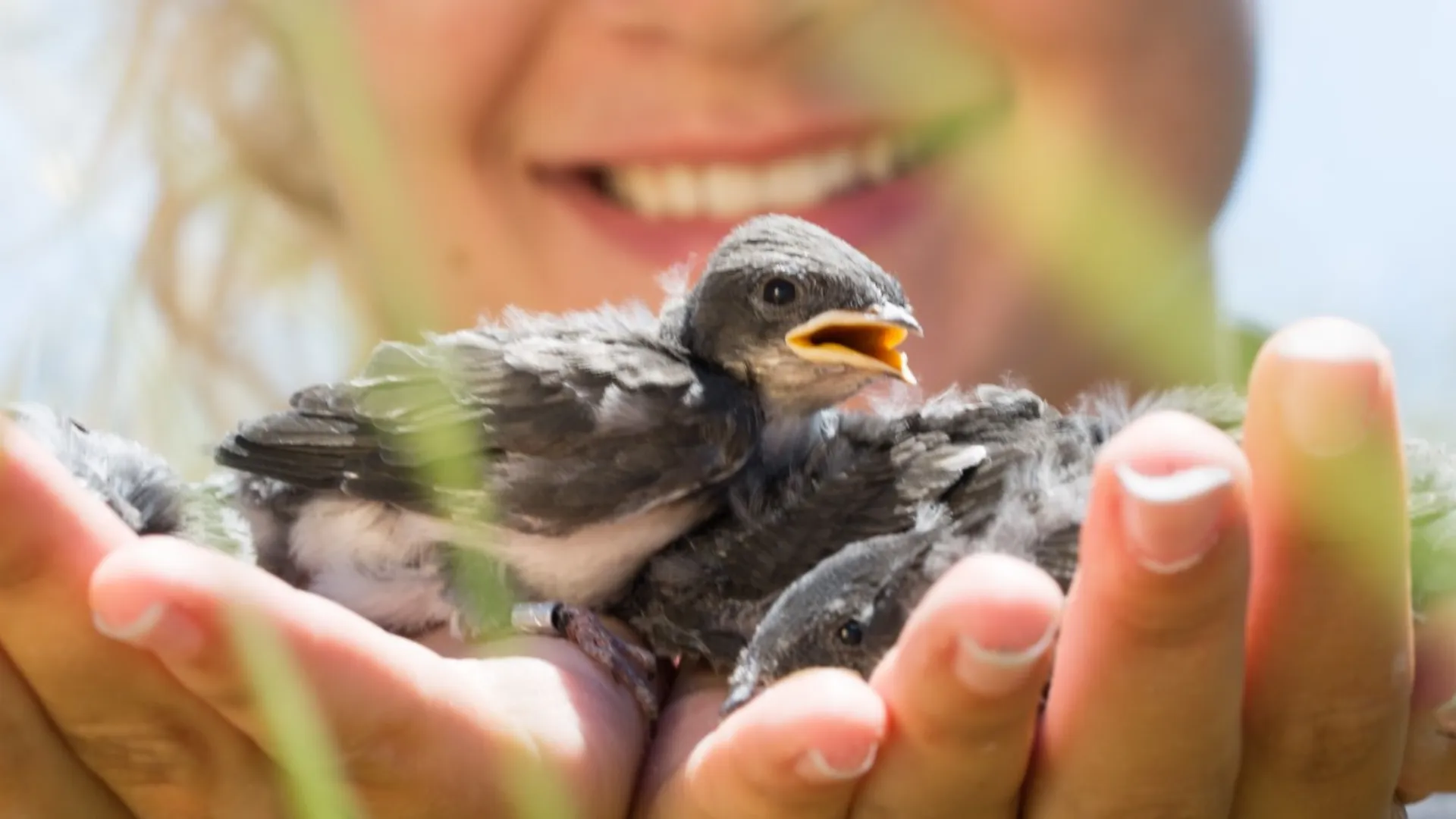

There are so many chances to get involved with the community, as well as exploring nature and the area around you.
- Graduate with paid work experience completing three 12–16-week work terms in the summer of years two and three, and the fall of year four, all as part of your four-year degree.
- Past co-op placements have included the Ministry of Natural Resources & Forestry, Nature Conservancy Canada, Toronto Zoo, and Parks Canada.
- Complete a fourth-year Honours thesis, conducting your own research project under the supervision of a Conservation Biology faculty expert.
- Conduct research in state-of-the-art facilities such as Trent's Natural Resources DNA Profiling & Forensic Centre or the 11 on-campus nature areas which serve as outdoor research laboratories.
- Take field-based courses through the Ontario Universities Program in Field Biology, with immersive field courses offered in Canada and internationally.
- Take your Trent education global. Spend a semester or year studying at one of Trent’s 50+ international partner universities, participate in a summer field course, or gain international experience through a placement or internship.
- With opportunities in more than 35 countries, you can broaden your academic perspective, experience new cultures, and build skills that prepare you for a global career.
- Students in this program have studied in Australia at Charles Sturt University and the Port Macquarie Koala Hospital.
- Choose the four-year placement option and spend the final eight months of your degree gaining full-time, hands-on Conservation Biology experience with a sector organization.
- Previous placement organizations include fish hatcheries, Riverview Park and Zoo and Otonabee Regional Conservation Authority, Parks Canada, Ontario Turtle Conservation Centre, Royal Ontario Museum, Kawartha Land Trust, and Peterborough Field Naturalists.
- Gain professional workplace experience by working within a business or organization on a paid internship, building career-ready skills, making industry connections, and exploring potential career paths.