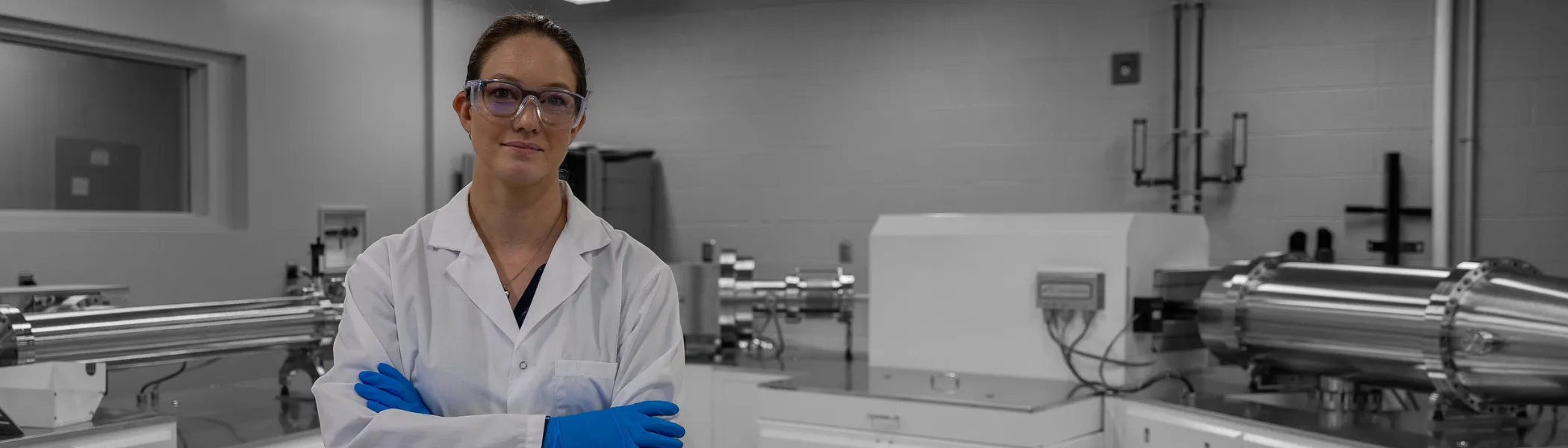
Instrumental Chemical Analysis G.Dip.
Combine an in-depth understanding of how modern analytical instruments work with the practical skills to operate them in this first-of-its-kind program. Instrumental Chemical Analysis graduate students learn from Trent’s leading faculty and expert staff how to operate, maintain, and troubleshoot modern analytical instruments, facilitating a smooth transition for our graduates into careers with renowned labs and research facilities across the country and around the world.
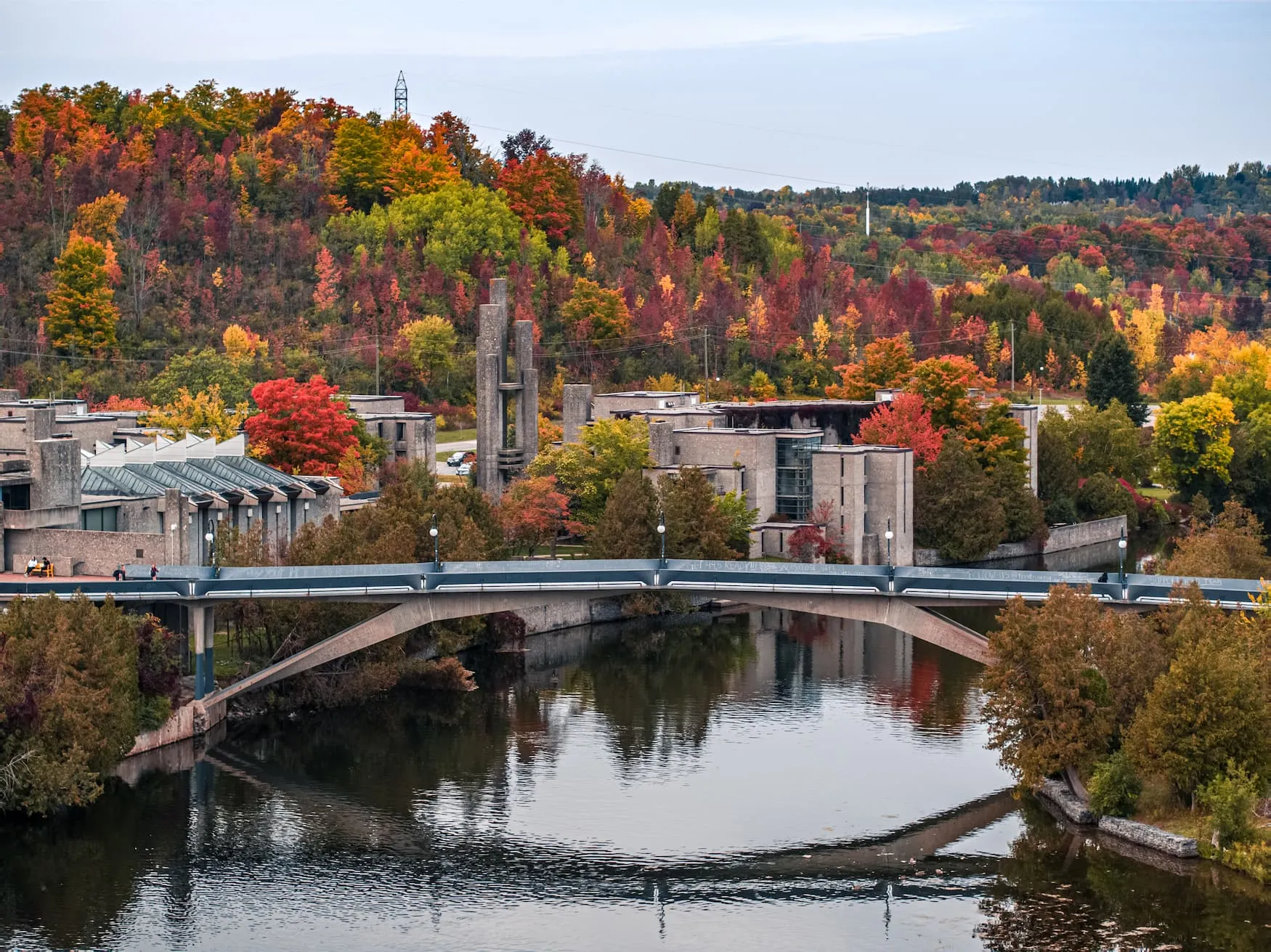
At Trent, you will study at one of Canada’s most research-intensive universities, with access to the renowned Water Quality Centre. This state-of-the-art research centre hosts an outstanding array of instrumentation relevant to diverse application areas, such as biochemistry and biotechnology, chemical and pharmaceutical production, and materials production and characterization.
This eight-month course-based graduate diploma is designed for practicing professionals who want to update their understanding of and experience with theoretical foundations of modern instrumentation developments. You will build a uniform understanding of good laboratory practice, introductory service and maintenance procedures and a sound understanding of the theoretical underpinnings of modern mass spectrometric and chromatographic instruments.
Experiential Learning
Many of the courses in the program offer laboratory sessions where students practice and develop new skills. This hands-on learning is an integral component of the program and allows students to practice maintenance, operation, and research techniques on state-of-the-art instruments.
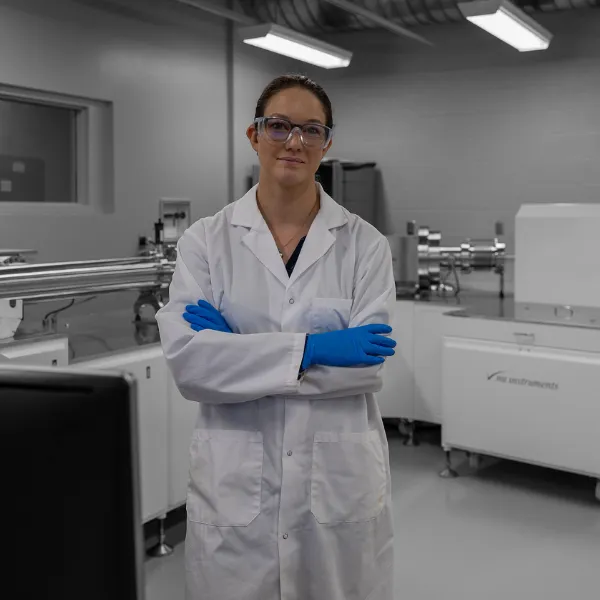
The only one of its kind in North America, the Instrumental Chemical Analysis graduate program provides you with advanced theoretical knowledge of and extensive practical hands-on experience with sophisticated pieces of analytical instrumentation, which our graduates encounter in their careers in various types of government, industry, commercial and academic laboratories.

Trent has been home to 2 Nobel Prize winners
10 Canada Research Chairs conduct innovative research at Trent
We are proud to be one of the top 3 greenest campuses in Canada
Eligibility Requirements
- B.Sc. honours degree (a four year undergraduate bachelor's degree) in a relevant science, including biology, chemistry, environmental science, physics or health science
- Minimum B+ (77%) or equivalent in the last two years of full-time study, or last ten full academic credits
Eligibility Requirements
- B.Sc. honours degree (a four year undergraduate bachelor's degree) in a relevant science, including biology, chemistry, environmental science, physics or health science
- Minimum B+ (77%) or equivalent in the work of the last four semesters or the last two undergraduate years (last ten full credits)
- Proof of English Proficiency: All international applicants must provide proof of an adequate level of English proficiency regardless of their citizenship status or country of origin. Please visit our How to Apply: International page for details on English Language Proficiency requirements
- A GRE test score is not required for admission into this program
All applicants, domestic and international, must submit the following documents to complete their application:
- Transcripts: Unofficial copies of all post-secondary transcripts
- 2 letters of reference: Academic references are preferred; however, professional references will be accepted. Reference forms will be emailed to the referees that you have appointed on OUAC
- Plan of Study/Personal Statement: 1-2 pages outlining your objectives in a graduate program. Any specific research interests, relevant experiences, and/or career aspirations can be included
- Detailed Resume or Curriculum Vitae
- Proof of Citizenship (ie. copy of passport or birth certificate)
For more information on submitting transcripts, re-sending reference links and other application questions, please visit our How to Apply: Domestic or International pages and review Step 4, as well as review our Frequently Asked Questions (FAQ).
Learn more about tuition & fees
Professional programs do not offer funding as part of the letter of offer. It is expected that graduate students in these programs, will have funds to support themselves for the duration of their studies.
Financial Aid can provide information about provincial loan programs for domestic students, as well as bursary opportunities for both domestic and international students.
Trent has clear pathways for graduate students to apply and be admitted to study for their master's or doctorate at either of our campuses. Please review admission requirements for your program before applying.

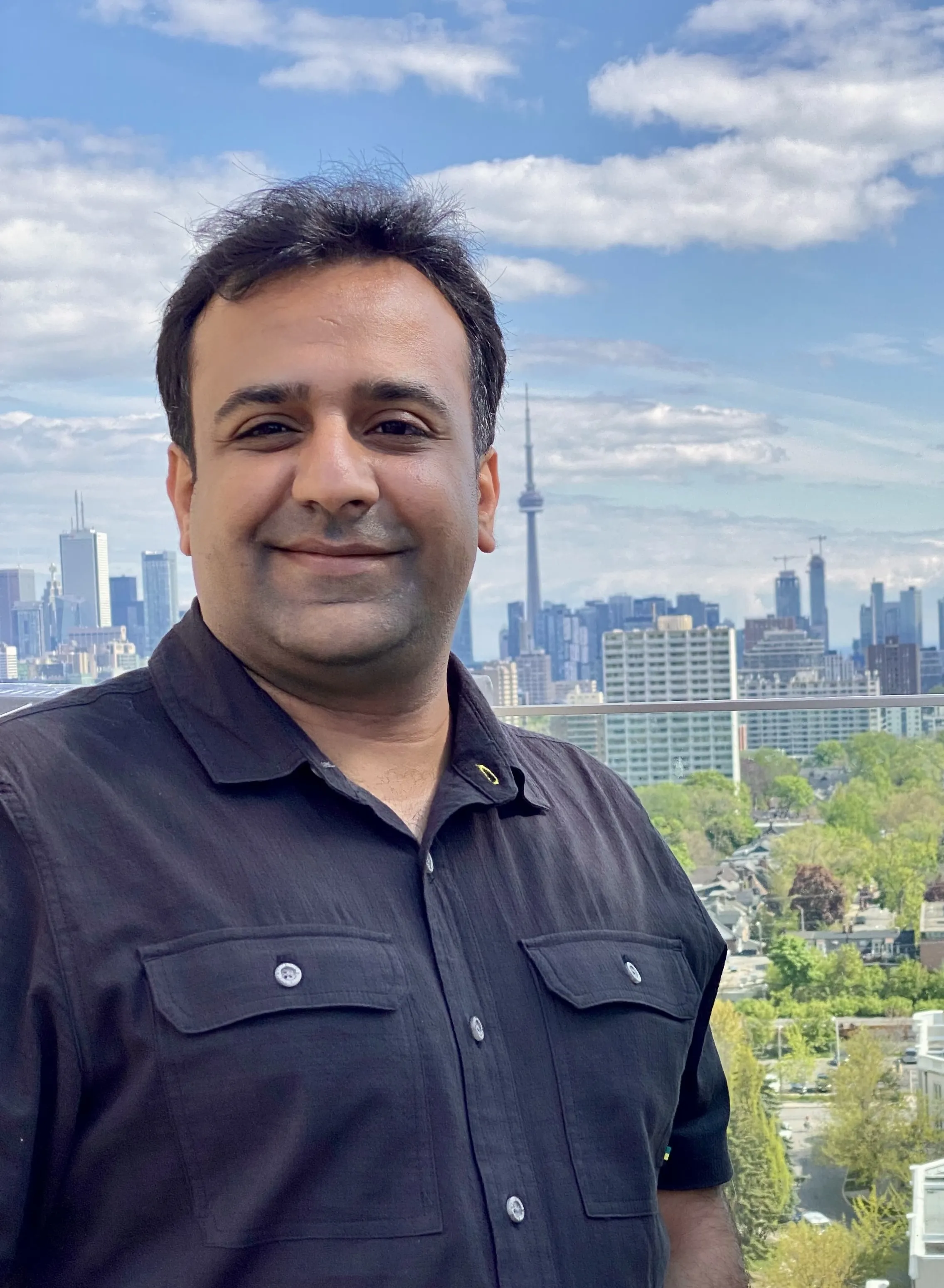
As an Analytical Chemist, I teach a wide range of courses, including introductory and analytical chemistry, chromatography, sample preparation, and mass spectrometry. My research focuses on Materials Chemistry, particularly on developing advanced synthesis methods to control surface characteristics and enhance their activity in catalytic and sustainable applications. This includes exploring surface functionalization, studying the role of nanomaterials in reactions, and designing hybrid materials with tailored properties.

My research focuses on the development of novel analytical methods and improved methodologies in ICP-MS. Recent projects include the development of single particle-(sp)ICP-MS methods for the characterization and quantification of nanoparticles and microplastics at environmentally relevant concentrations, Sr isotope analysis of teeth to investigate the identification of crew members of the 1845 Franklin expedition and the measurement of Hg isotope ratios in environmental samples. I am the co-instructor for ICAN 5001 Principles of Mass Spectrometry, ICAN 5005 Instrument Repair and Maintenance and ICAN 5121 ICP-MS and LC-MS/MS.