
Indigenous Studies Ph.D.
This first and only program of its kind in Canada, Trent's Ph.D. program offers Indigenous and non-Indigenous students the opportunity to engage in advanced learning experiences and thoughtful dialogue grounded in Indigenous peoples, lands and cultures, while reflecting on the interaction between traditional and contemporary Indigenous knowledges within the academic context.
Students engage in advanced studies and original research at the highest level of scholarly inquiry. Reflective of hands-on and interactive learning experiences, the program includes a placement with an Indigenous community or organization, and an apprenticeship with an Elder or Knowledge Holder.
After coursework and exams, students conduct research and can choose from three dissertation options. Applicants may choose to compose a doctoral monograph thesis or one of two dissertation Knowledge Basket streams where students combine a creative research project and a written component.
Experiential Learning
Experiential Learning is foundational to graduate studies. The following are hands-on learning and research courses that you will partake in during your experience:
Indigenous Knowledge: The IK course is grounded in land-based pedagogy where students participate in the experiential nature of Indigenous Knowledges. The course is taught by Anishinaabe and Haudenosaunee Elders and/or Knowledge Holders as well as special guests from other Indigenous contexts.
Practicum Field Placement: In keeping with Indigenous conceptions of relationality and reciprocity, all students in the program are required to work or carry out research with an Indigenous community or organization, with a focus on community or organizational needs.
Bimaadiziwin/Atonhetseri:io: This course provides an opportunity to apprentice with an Elder or Knowledge Holder over an intense period of time arranged between the student and the Elder or Knowledge Holder.
Dissertation Knowledge Basket: This is a project-based option wherein students produce a creative component, with practical applicability, and a written component rather than the traditional PhD dissertation. This creative component should reflect the research process under-taken as well as the findings from that research.
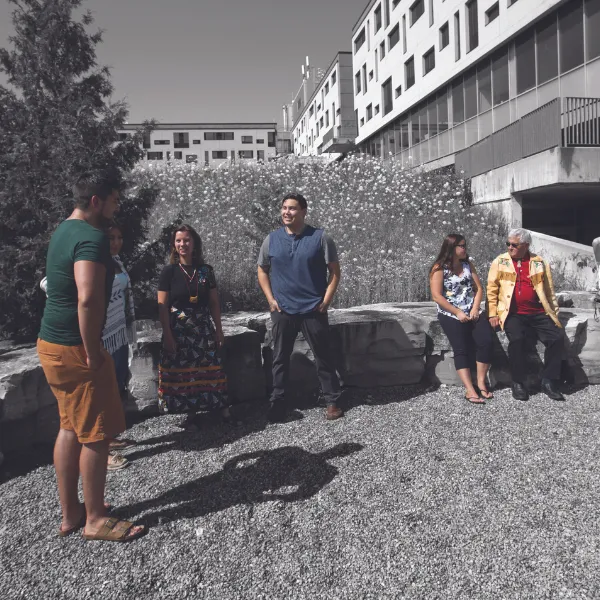
Lead, live and learn as a voice for Indigenous futures. Trent’s Indigenous Studies Ph.D. plays an instrumental part in an international movement to decolonize academia and society with recognition of the centrality of Indigenous knowledges to contemporary life.
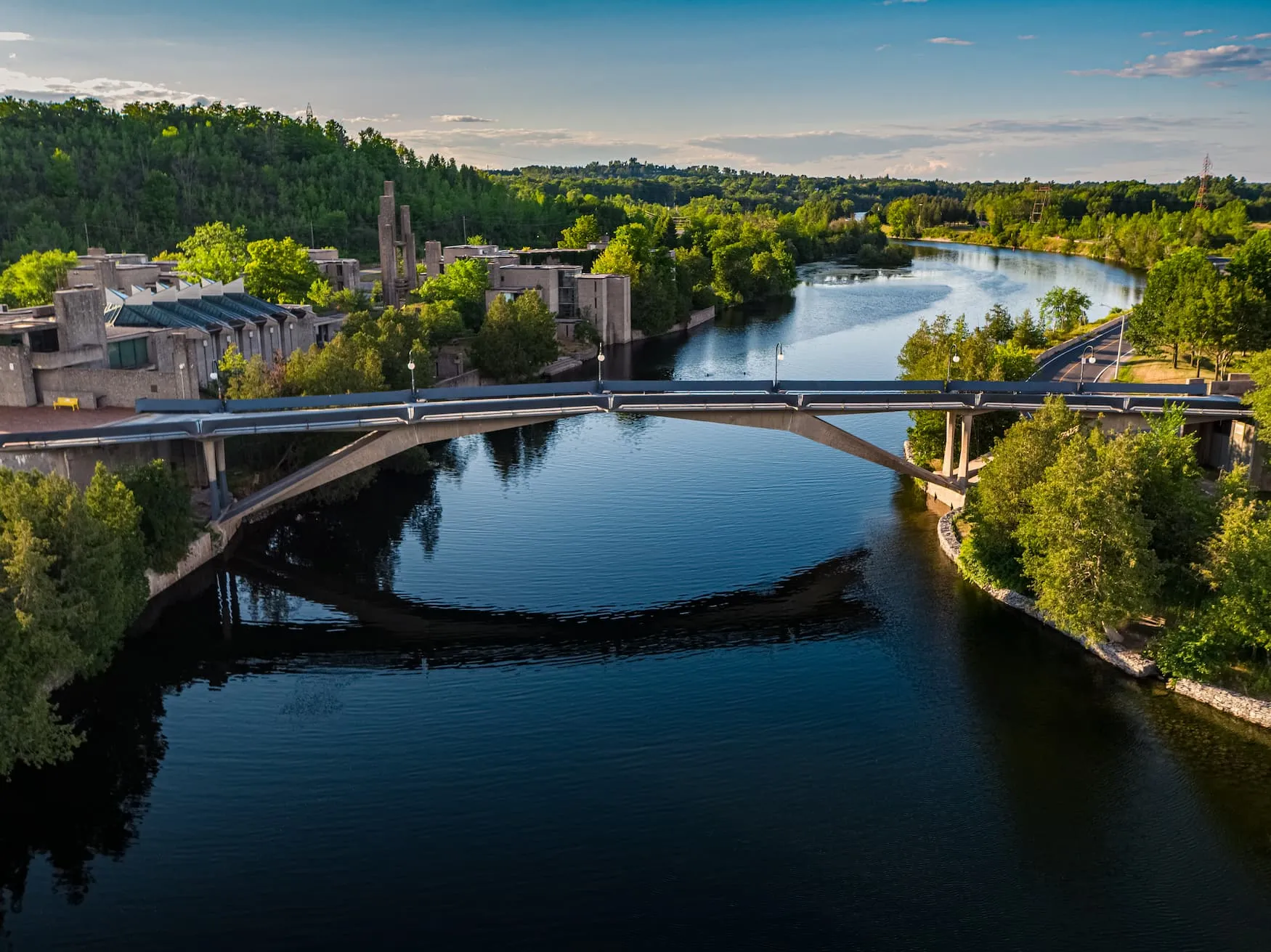
Trent has been home to 2 Nobel Prize winners
10 Canada Research Chairs conduct innovative research at Trent
We are proud to be one of the top 3 greenest campuses in Canada
Eligibility Requirements
- Masters degree or equivalent in Indigenous Studies or other disciplinary-based graduate program (if Indigenous Studies courses were taken at an undergraduate level or student is Indigenous)
- Minimum B+ (77%) or equivalent overall in the Master's degree
- Completion of an M.A. thesis is preferred (students with an MRP or M.A. project will be considered on a case-by-case basis, provided they have had engagement with theory and methodology for Indigenous Studies and can submit an additional example of writing at an advanced graduate level (such as a published article)
Eligibility Requirements
- Masters degree or equivalent in Indigenous Studies or other disciplinary-based graduate program (if Indigenous Studies courses were taken at an undergraduate level or student is Indigenous)
- Minimum B+ (77%) or equivalent overall in the Master's degree
- Completion of an M.A. thesis is preferred (students with an MRP or M.A. project will be considered on a case-by-case basis, provided they have had engagement with theory and methodology for Indigenous Studies and can submit an additional example of writing at an advanced graduate level (such as a published article)
- Proof of English Proficiency: All international applicants must provide proof of an adequate level of English proficiency regardless of their citizenship status or country of origin. Please visit our How to Apply: International page for details on English Language Proficiency requirements
- A GRE test score is not required for admission into this program
All applicants, domestic and international, must submit the following documents to complete their application:
- Transcripts: Unofficial copies of all post-secondary transcripts
- 2 letters of reference: Academic references are preferred; however, professional references will be accepted. Reference forms will be emailed to the referees that you have appointed on OUAC
- Plan of Study/Personal Statement: 1-2 pages outlining your objectives in a graduate program. To be successful, your plan of study should include: Your area of interest/focus for your dissertation, previous courses and/or research in this area, discussion of scholarship that has influenced your decision to focus in this area of research, previous courses or experience with Indigenous and/or allied settler methodologies and/or previous courses or work that prepared you for reading and writing at a Ph.D. level
- Writing Sample: A sample of your writing of about 20 pages or less. The preferred submission format is PDF. In most cases, an M.A. thesis or MRP chapter will suffice. Please note that applicants may be asked to produce an additional piece of writing for the selection committee.
- Detailed Resume or Curriculum Vitae
- Proof of Citizenship (ie. copy of passport or birth certificate)
- Supervisor: A potential supervisor must be chosen as an admission requirement for this program. Please list your supervisor on your OUAC application and discuss this in your plan of study. Please visit the program's Faculty and Research page for a listing of faculty and areas of research. Applicants are responsible for reaching out to a faculty member
For more information on submitting transcripts, re-sending reference links and other application questions, please visit our How to Apply: Domestic or International pages and review Step 4, as well as review our Frequently Asked Questions (FAQ).
Learn more about tuition & fees
Eligible full-time students are offered minimum funding packages during their funded period of $23,000 annually. This includes a Graduate Teaching Assistantship employment offer valued at approximately $13,000 annually. Specific funding details are included in individual admission letters.
As of May 1, 2026, full-time international PhD students pay domestic tuition fees at the out-of-province rate.
Students are supported in competing for external awards during their studies, such as the Ontario Graduate Scholarship. A full list of external awards is available on our Scholarships and Awards page.
Trent has clear pathways for graduate students to apply and be admitted to study for their master's or doctorate at either of our campuses. Please review admission requirements for your program before applying.
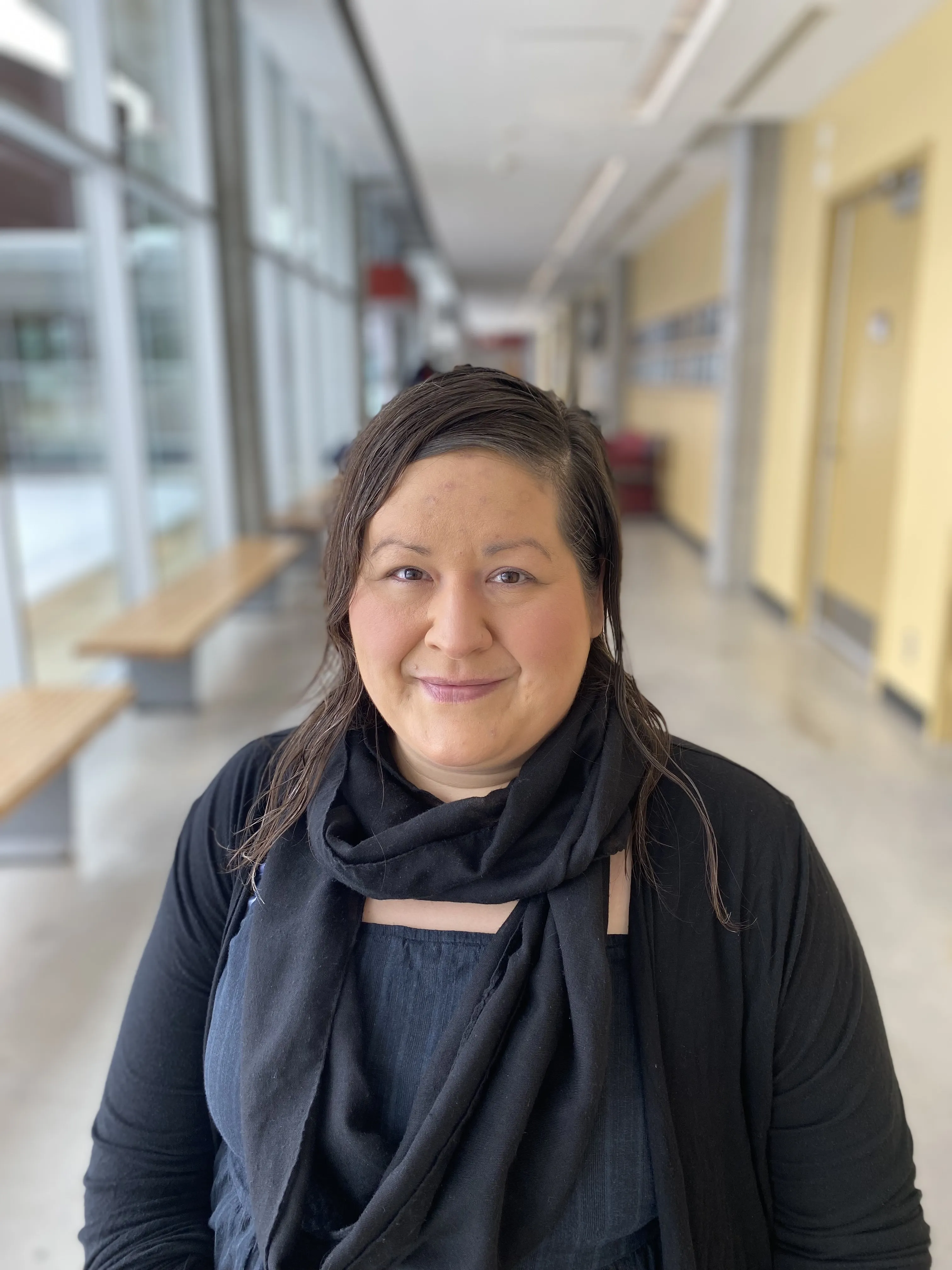
The Indigenous Studies PhD program is amazing. Everything I have experienced, thus far, has been life changing. Ricing for the first time, standing with our ancestors at the Petroglyphs, working with knowledge holders to make cultural items has stepped beyond what I could have hoped for. As well, the literature we are studying is opening my eyes to the depth and breadth of Indigenous scholarship on Turtle Island and all over the world.

Dr. Wall is a member of the Citizen Potawatomi Nation in Shawnee, Oklahoma. She is a Dual-Tradition scholar of mixed ancestry. Her research is primarily based in the Great Lakes Basin and focuses on Anishinaabe Knowledges and foodways - reclamation and revitalization, and their application at the interface with euro-centric environmental studies and sciences. Dr. Wall co-leads a new partnership between the Great Lakes Fishery Commission and the Indigenous Environmental Institute at Trent University. She recently published a chapter in Unsettling Education: Decolonizing and Indigenizing the land entitled: Anishinaabeodziiwin miinwaa Gikendasswin: Anishinaabe Ways of Knowing and Being through Relationality.

Dr. Pind's research is focused on the Anishinaabeg including the history of education particularly the legacy of the Indian Day Schools system. His upcoming book, Students by Day: Colonialism and Resistance at the Curve Lake Indian Day School and co-authored article with Jack Hoggarth, Pyroepistemology Along the Northern Shores of Lake Ontario: Reinterpreting the Hopewell Tradition and Moundbuilders Theory through Anishinaabeg Perspectives combines oral history with archival analysis to uncover overlooked histories of the Michi Saagiig Anishinaabeg.