
Explore environmental challenges through multiple ways of knowing. Jointly offered through the Chanie Wenjack School for Indigenous Studies and Trent School of the Environment, this interdisciplinary degree brings Indigenous Knowledge Systems and Western science together to examine environmental stewardship, sustainability and community well-being, while preparing you to address complex issues such as climate change, health and food security.
- Choose the B.A. or B.Sc. degree pathway, exploring social, cultural and human relationships with the environment or building scientific skills to analyze the natural world through Indigenous and Western perspectives.
- Learn from Indigenous and non-Indigenous faculty, Elders, Knowledge Keepers, scholars and guest speakers, bringing diverse perspectives and lived knowledge into your studies.
- Tailor your degree to your interests through specializations in Applied Indigenous Knowledge, Indigenous Performance or Nishinaabemowin.
- Apply multiple ways of knowing to real-world challenges, developing critical, collaborative and problem-solving skills relevant to Indigenous communities, governments, industry and environmental organizations.
Accelerated Masters
Fast-track your education, by earning your M.Sc. in Environmental & Life Sciences in only 12-20 months of graduating from your Honours B.Sc.
Study in the first Indigenous Environmental Studies/Sciences program of its kind in North America, integrating Indigenous knowledges and Western science to address today's most complex environmental challenges.
Gain valuable career experience while earning academic credit.
Requirements
If you are coming straight from high school in Ontario or are a recent grad, the general admission requirements are:
- Ontario Secondary School Diploma (OSSD)
- A minimum of six Grade 12 4U or 4M courses, including program-specific prerequisites
- ENG4U with a minimum of 60%
| Admission Requirements | Recommended Admission Requirements | Estimated Admission Average | Co-op Admission Average |
|---|---|---|---|
| ENG4U | 4U Math for B.Sc | 70-75% | 80-85% |
Requirements
Students from across Canada can use their grades from their home province to apply to Trent.
Requirements
International students from outside Canada can apply based on the curriculum of their home country.
Requirements
Mature students can apply to Trent based on previous education and professional or volunteer experience.
Requirements
With many transfer agreements and flexible pathway options, Trent University makes it easy for students to make the most of the credits you have already earned.
- TD Green Undergraduate Scholarships
- Indigenous Environmental Studies (IES) Prizes
- TD Green Undergraduate Awards
- WB Family Foundation Award in Environmental & Resource Science/Studies
Whether you're graduating from an Ontario high school, looking to study in Canada, or training for a second career, Trent has clear pathways for students to apply and be admitted to study at either of our campuses.
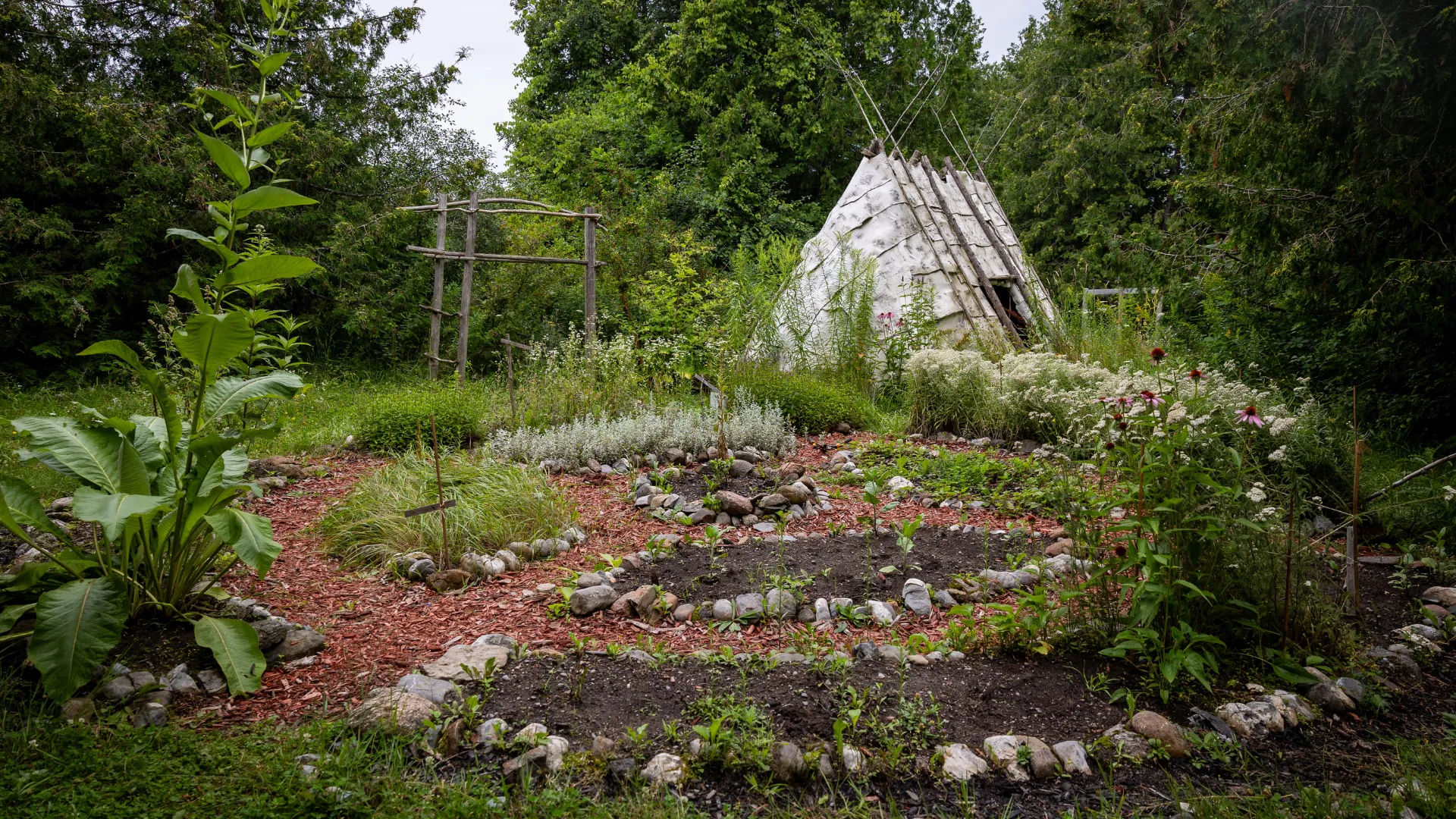
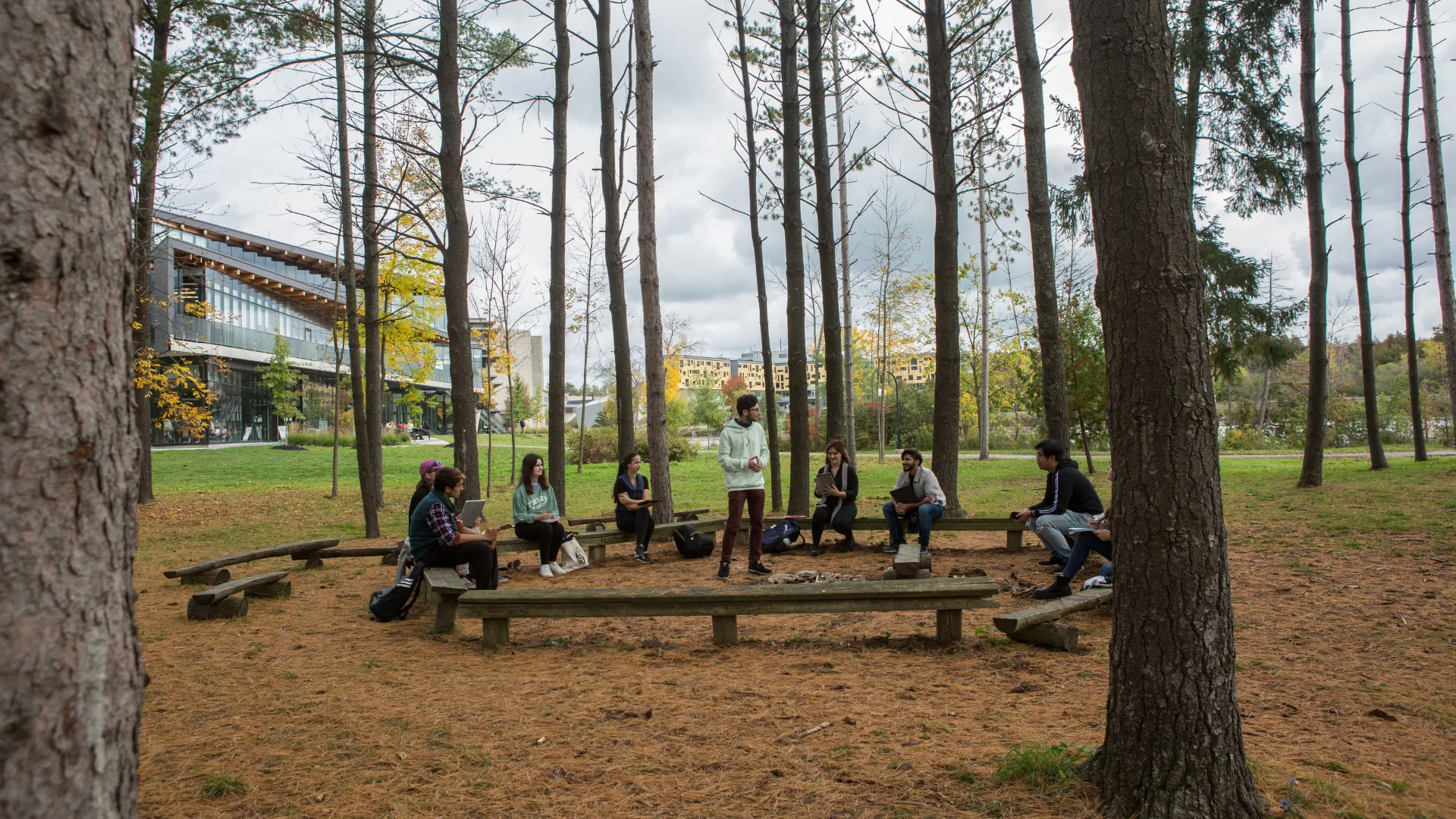

Much of what we do, we do together. We strive to model knowledge system equity and collaboration, relational accountability, authenticity, and reconciliation. Our work together brings hope in the midst of the global environmental polycrisis.
- Graduate with paid work experience completing three 12–16-week work terms in the summer of years two and three, and the fall of year four, all as part of your four-year degree.
- Student placements range from environmental planning and community education to research and policy analysis.
- Put your knowledge into action through community-based or independent research, conducting policy analysis, development, evaluation and research with organizations such as Curve Lake First Nation Band Council, Chiefs of Ontario and Inuit Tapiriit Kanatami, or exploring topics such as traditional foods, contaminants, climate change and health alongside faculty.
- Learn through hands-on and experiential study of Indigenous food systems, seasonal foodways, environmental health and the ecosystems that support them, while exploring Indigenous environmental protocols and contemporary challenges.
- Volunteer with the Trent Aboriginal Cultural Knowledge and Science youth outreach program through their in-school or summer camp programming
- Take your Trent education global. Spend a semester or year studying at one of Trent’s 50+ international partner universities, participate in a summer field course, or gain international experience through a placement or internship.
- With opportunities in more than 35 countries, you can broaden your academic perspective, experience new cultures, and build skills that prepare you for a global career.
- Gain field-based experience through placements and research, surveying species at risk, monitoring wildlife and collecting environmental data in Trent’s Nature Areas, or supporting hands-on environmental education with TRACKS in First Nations communities.
- Build professional experience through paid internships and placements in environmental education, research, planning, conservation and community development with government, environmental and community organizations.