
Episode 5: The Journey of Truth & Reconciliation
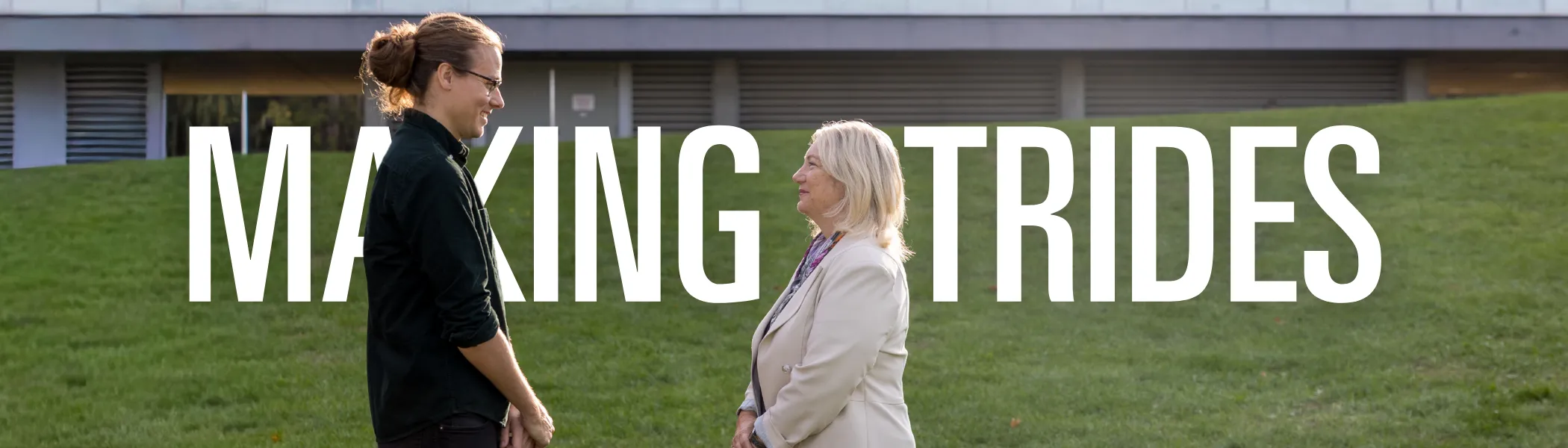
In this episode of Making Strides, President Cathy Bruce walks with Dr. Jackson Pind, assistant professor in Trent’s Chanie Wenjack School for Indigenous Studies, to explore reconciliation in Canada since the Truth and Reconciliation Commission’s final report was released ten years ago. Their conversation travels through stories of history, education, and hope, with a particular distinction between truth and reconciliation and the efforts taking place on campus and in the broader community. They also discuss Dr. Pind’s latest book, Students by Day, based on his research into the history of the Curve Lake Indian Day School and the community’s resistance and resilience in response.
Featured Expert
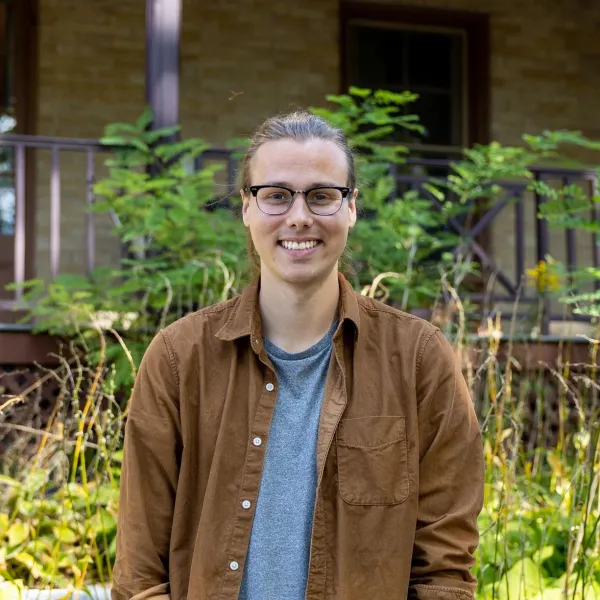
Dr. Jackson Pind
Assistant Professor, Chanie Wenjack School for Indigenous Studies
Dr. Pind is a scholar of Indigenous education and history, with expertise in residential schools, Indian day schools, and the future of commemoration in Canada. His research has been published in leading educational journals and books, and he serves on the editorial board of the Canadian Journal of Indigenous Studies. A strong advocate for public scholarship, he contributes regularly to platforms like The Conversation and The Narwhal and leads indiandayschools.org, an educational resource advancing awareness of Canada’s history and the work of reconciliation.
Indigenous Initiatives
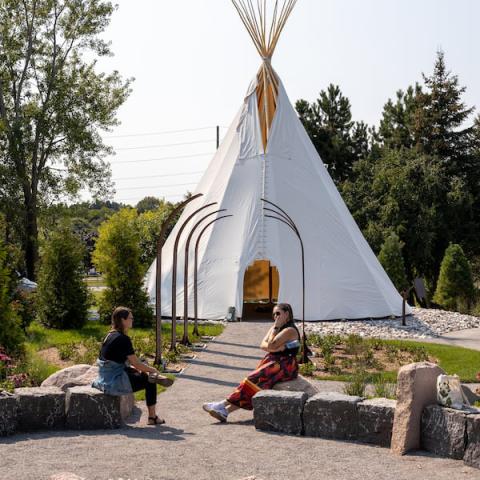
At Trent, reconciliation is reflected in how history is taught, spaces are designed, and culture is honoured – efforts that are highlighted on the University’s new Indigenous Initiative website.
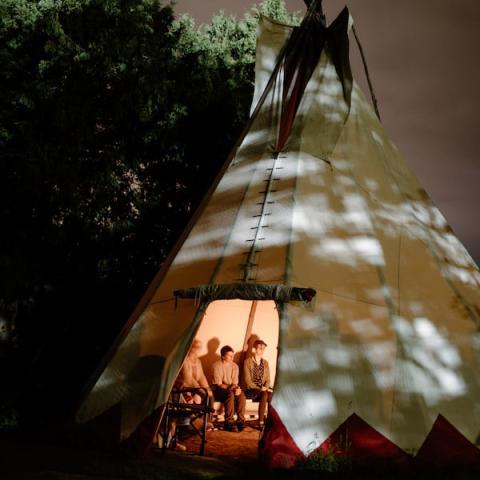
Trent’s leadership in reconciliation is also highlighted through the Trent News, in stories such as students reimagining commemorative plaques across Ontario, adding new spaces like the Medicine Garden and Tipi at Trent Durham for place-based learning, and naming Gidigaa Migizi College after Elder and Professor Doug Williams, which increases the visibility of Indigenous people and their involvement in campus life and history.
Land, Water, and Knowledge
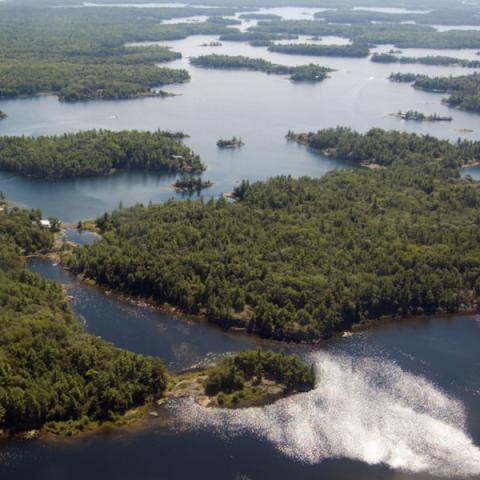
Research at Trent continues to push the boundaries of how we understand land, rights, and the long-term effects of environmental harm on Indigenous communities. A series of projects are underscoring how the loss of access to clean water disrupts not only health and daily life, but also culture, ceremony, and traditional knowledge — raising urgent questions about equity, sovereignty, and intergenerational resilience.
Leading Their Own Path
Trent’s approach to Indigenous student success centres student voices, leadership, and lived experience. This is reflected in the remarkable stories of students, such as Bryanna Carter from Onion Lake Cree Nation, recently selected for the prestigious Harvard Emerging Leaders Program, and Harvey McCue '66 who, in his early 20s, helped shape the evolution of Trent’s own Indigenous Studies program. These examples speak to the transformative impact of support systems grounded in mentorship, cultural affirmation, and opportunities to lead.
Featured Programs
Chanie Wenjack School for Indigenous Studies
For nearly 60 years, Trent University and the Chanie Wenjack School for Indigenous Studies have been leaders in advancing Indigenous studies, education, and efforts in truth and reconciliation. Through the first Indigenous Studies program to be launched in Canada, interdisciplinary programs such as the Indigenous Environmental Science/Studies and professional programs like Indigenous Bachelor of Education, (another Canadian first!) Indigenous and non-Indigenous students alike take part in learning that is grounded in Indigenous knowledge systems, history, politics, and community engagement.
Trent graduate students are also engaged in deep explorations of the complex realities of past and present and helping shape a more just future. Through the Indigenous Studies & Canadian Studies M.A. and Indigenous Studies Ph.D. (another first in Canada), students learn to apply decolonizing research methods, land-based learning, and meaningful engagement with Indigenous communities.
