Events & days of significance 2025
Learn more about the days of significance for Indigenous communities.
January
January 4: National Ribbon Skirt Day
National Ribbon Skirt Day has its origins in the experience of Isabella Kulak, a member of Cote First Nation, who was shamed for wearing her handmade ribbon skirt to a formal wear day at her elementary school. Ribbon skirts hold cultural and spiritual significance for many Indigenous Peoples, symbolizing identity, resilience and connection to heritage. The day was first celebrated in 2023.
March
March 31: National Indigenous Languages Day
Indigenous languages are integral to culture, identity, and well-being, connecting communities and passing on wisdom across generations. National Indigenous Languages Day honours the rich and diverse heritage of Indigenous languages in Canada. Part of the International Decade of Indigenous Languages (2022–2032), this day highlights the importance of preserving and promoting these languages.
May
May 5: National Day of Awareness for Missing and Murdered Indigenous Women, Girls, and
2SLGBTQQIA+ Peoples
The National Day of Awareness for Missing and Murdered Indigenous Women, Girls, and 2SLGBTQI+ People (MMIWG2S), or Red Dress Day, commemorates the ongoing crisis of violence rooted in colonization. Inspired by Métis artist Jaime Black's REDress art installation, this day encourages people to hang red dresses to honour those who are missing and murdered and raise awareness of the disproportionate violence faced by these communities.
May 15: Moose Hide Campaign Day
Moose Hide Campaign Day is a day of ceremony where all Canadians are called to join together to take a stand against violence towards women and children and to take practical steps for our collective journey of reconciliation.
June
June 21: National Indigenous Peoples Day
National Indigenous Peoples Day, celebrated on June 21st, honours the diverse cultures, heritage, and contributions of First Nations, Inuit, and Métis peoples. This day, established in 1996, invites all Canadians to reflect on the unique traditions, languages, and spiritual beliefs of these groups, while deepening connections to the land, the Spirit World, and one another.
National Indigenous History Month
June is National Indigenous History Month in Canada, a time to celebrate the rich heritage and diversity of First Nations, Inuit, and Métis Peoples. Established in 2009 and renamed in 2017, this month encourages all Canadians to learn about, honour, and acknowledge the enduring contributions, cultures, and resilience of Indigenous Peoples throughout history and today.
July
July 9: Nunavut Day
Nunavut Day marks the passage of the Nunavut Land Claims Agreement Act and the Nunavut Act on July 9, 1993, paving the way for Nunavut to become a distinct territory on April 1, 1999. This day celebrates Inuit self-determination, culture, and contributions, recognizing their enduring role in shaping Canada’s history and future.
August
August 9: International Day of the World's Indigenous Peoples
August 9 marks the International Day of the World’s Indigenous Peoples, a day to recognize Indigenous communities' diverse cultures, knowledge systems, and contributions. It was adopted in 1994 by UN General Assembly resolution 49/214 and marks the date of the first meeting of the UN Working Group on Indigenous Populations of the Sub-Commission on the Promotion and Protection of Human Rights held in Geneva in 1982. With over 476 million Indigenous Peoples worldwide, this day raises awareness and fosters global efforts toward justice and inclusion, highlighting Indigenous rights and ongoing challenges, including socio-economic inequalities.
September
September 19: Powley Day (Ontario)
Powley Day, observed on September 19th, marks the landmark Supreme Court decision in R. v. Powley (2003), which affirmed Métis harvesting rights under section 35 of the Constitution Act, 1982. This historic ruling, achieved through the efforts of the Métis Nation of Ontario and the Powley family, recognized the distinct existence and rights of the Métis people.
September 30: National Day for Truth and Reconciliation/Orange Shirt Day
National Day for Truth and Reconciliation honours the children who never returned home and Survivors of residential schools, as well as their families and communities. Public commemoration of the tragic and painful history and ongoing impacts of residential schools is a vital component of the reconciliation process.
Orange Shirt Day is an Indigenous-led grassroots commemorative day intended to raise awareness of the individual, family and community inter-generational impacts of residential schools, and to promote the concept of “Every Child Matters”. The orange shirt is a symbol of the stripping away of culture, freedom and self-esteem experienced by Indigenous children over generations.
Learn about this year’s observances at Trent: https://www.trentu.ca/truthandreconciliationday
October
October 4: National Day of Action for MMIWG2S
October 4 marks the National Day of Action for Missing and Murdered Indigenous Women, Girls, and Two-Spirit people (MMIWG2S). This day raises awareness of the disproportionate violence against Indigenous women, girls, and Two Spirit people and calls for action in response to the 231 Calls to Justice from the National Inquiry’s Final Report. Change begins with awareness and action.
November
1st week: Treaties Recognition Week
Treaties Recognition Week, established in 2016, encourages Ontarians to learn about treaty rights and relationships. Treaties, agreements between the British Crown (government) and the original occupants of this land, remain legally and morally binding. This week fosters education, reflection, and action, recognizing past injustices and rebuilding trust with Indigenous communities. Every Ontarian is a treaty person with shared responsibilities in upholding these commitments.
November 7: International Inuit Day
Inuit Day was proclaimed by the Inuit Circumpolar Council (ICC) General Assembly in Barrow, Alaska, in 2006. The day honours the birth date of ICC visionary Eben Hopson, Sr. and acknowledges and celebrates Inuit culture and contributions. Most importantly, it affirms the voices of Inuit across the circumpolar world.
November 8: National Indigenous Veterans Day
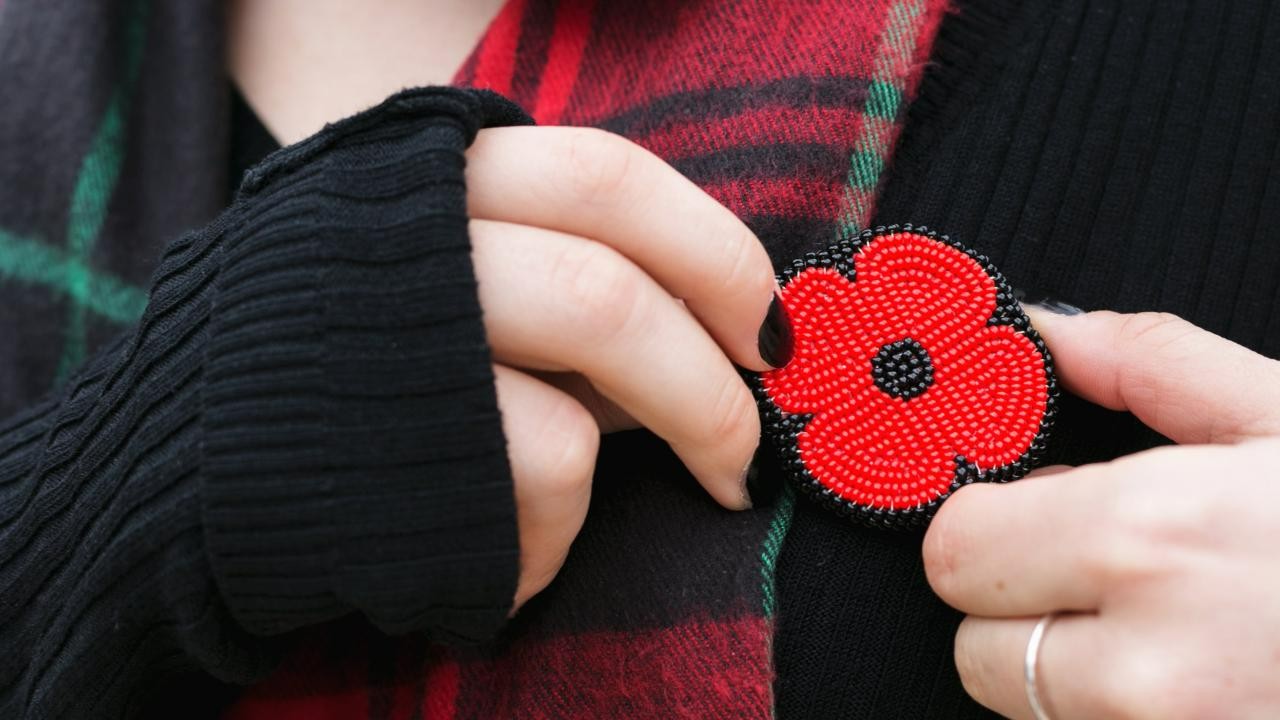
Indigenous Veterans Day honours the contributions and sacrifices of First Nations, Inuit, and Métis veterans in service to Canada, particularly in the First and Second World Wars and the Korean War. Despite facing challenges like exclusion from conscription, travelling long distances from remote communities to enlist, learning a new language (English), and coping with racism against them, Indigenous Peoples have answered the call to defend Canada’s values for over 200 years.
Week of 15 Nov: Rock Your Mocs
Established 2011, Rock Your Mocs, is best described as a worldwide Native American & Indigenous Peoples virtual unity event held annually during November (National Native American Heritage Month in the US). During Rock Your Mocs, people wear their moccasins, take a photo, create a video or story, add the hashtag #RockYourMocs and upload to social media. This creates “an online photo album” for the world to see and enjoy.
November 16: Louis Riel Day (Ontario)
Louis Riel Day is held every year on the anniversary of Riel’s execution in 1885. During that year, Riel led Métis people in the Northwest Resistance, which was a stand against the Government of Canada because it was encroaching on Metis rights and way-of-life. While the day commemorates the tragic death of Riel and oppression of Métis people, it is also a day to celebrate Métis culture and traditions.