
History M.A.
Become a professional researcher and analyst under the supervision of groundbreaking historians and authors in a diverse range of topics, including political history and foreign relations, gender history, environmental history, the history of sports, food history, the history of childhood, war and memory, dictatorship, and the history of medicine. Choose between a major research paper or a thesis, and structure your studies over one year or two.
Graduates of our esteemed program are sought-after professionals known for their superior professional writing, research, and analytical skills leading successful careers as lawyers, teachers, university faculty and staff, political workers, and policy advisors, to name a few.
Accelerated Master’s
An accelerated Master’s option is available for eligible Trent University undergraduate students. If you are currently studying at Trent and are interested, please visit the program department website for more details and information on how to apply.

The skills to uncover the past and change the future. Work alongside award-winning scholars and delve deep into diverse areas of study — many of which are one-of-a-kind in Canada. Through dedicated mentorship with world-class scholars, students can achieve their academic goals and pursue careers in a wide range of fields.
Students in the History MA Program conduct extensive research in primary sources and hone their skills of writing and critical analysis through their research projects. The coursework also provides ample opportunity for students to develop transferrable skills in oral and written communication, to grapple with the complexities of evidence and interpretation, and to benefit from the lively exchange of ideas with faculty and peers.

Trent has been home to 2 Nobel Prize winners
10 Canada Research Chairs conduct innovative research at Trent
We are proud to be one of the top 3 greenest campuses in Canada
Eligibility Requirements
- Honours bachelor degree (a four year undergraduate bachelors) in History or a related discipline
- Minimum B+ (77%) or equivalent in the last two years of full-time study, or last ten full academic credits
Eligibility Requirements
- Honours bachelor degree (a four year undergraduate bachelors) in History or a related discipline
- Minimum B+ (77%) or equivalent in the last two years of full-time study, or last ten full academic credits
- Proof of English Proficiency: All international applicants must provide proof of an adequate level of English proficiency regardless of their citizenship status or country of origin. Please visit our How to Apply: International page for details on English Language Proficiency requirements
- A GRE test score is not required for admission into this program
All applicants, domestic and international, must submit the following documents to complete their application:
- Transcripts: Unofficial copies of all post-secondary transcripts
- 2 letters of reference: Academic references are preferred; however, professional references will be accepted. Reference forms will be emailed to the referees that you have appointed on OUAC
- Plan of Study/Personal Statement: 1-2 pages outlining your objectives in a graduate program. Any specific research interests, relevant experiences, and/or career aspirations can be included
- Writing Sample: A sample of your writing of about 20 pages or less. The preferred submission format is PDF. Good choices for writing samples include: an undergraduate essay, lab report, research report, journal article, a chapter from a masters thesis, or a published article.
- Proof of Citizenship (ie. copy of passport or birth certificate)
- Supervisor: A potential supervisor is recommended as an admission requirement for this program. If chosen prior to admission, please list your supervisor on your OUAC application and discuss this in your plan of study. Please visit the program's Faculty and Research page for a listing of faculty and areas of research. Applicants are responsible for reaching out to a faculty member
For more information on submitting transcripts, re-sending reference links and other application questions, please visit our How to Apply: Domestic or International pages and review Step 4, as well as review our Frequently Asked Questions (FAQ).
Learn more about tuition & fees
Eligible full-time students are offered minimum funding packages during their funded period of $18,000 annually. This includes a Graduate Teaching Assistantship employment offer valued at approximately $13,000 annually. Specific funding details are included in individual admission letters.
Students are supported in competing for external awards during their studies, such as the Ontario Graduate Scholarship. A full list of external awards is available on our Scholarships and Awards page.
Trent has clear pathways for graduate students to apply and be admitted to study for their master's or doctorate at either of our campuses. Please review admission requirements for your program before applying.

I love that graduate studies at Trent offers a ton of great opportunities for interdisciplinary learning both in and out of the classroom. The university experience becomes so much richer when you are encouraged to think beyond the boundaries of your own subject, and see the ways that your work is connected to other disciplines. I got to work with and learn from incredible faculty and staff members, and I am so grateful for the time I spent at Trent.
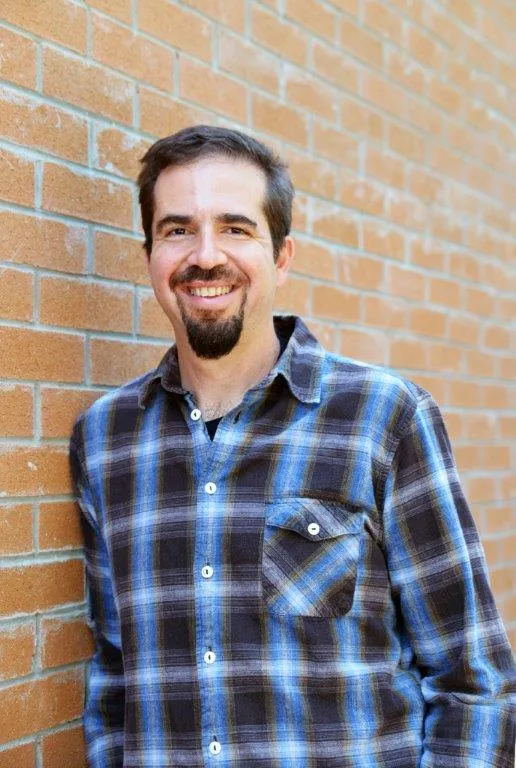
Finis Dunaway is a Professor of History with research interests in North American history, environmental history, and visual culture. He is the author of three books, two of which have won multiple awards: Seeing Green: The Use and Abuse of American Environmental Images (2015) and Defending the Arctic Refuge: A Photographer, an Indigenous Nation, and a Fight for Environmental Justice (2021). His writings have also appeared in scholarly journals, such as American Quarterly and Environmental History, and in popular venues, including the Chicago Tribune, the Washington Post, and TIME
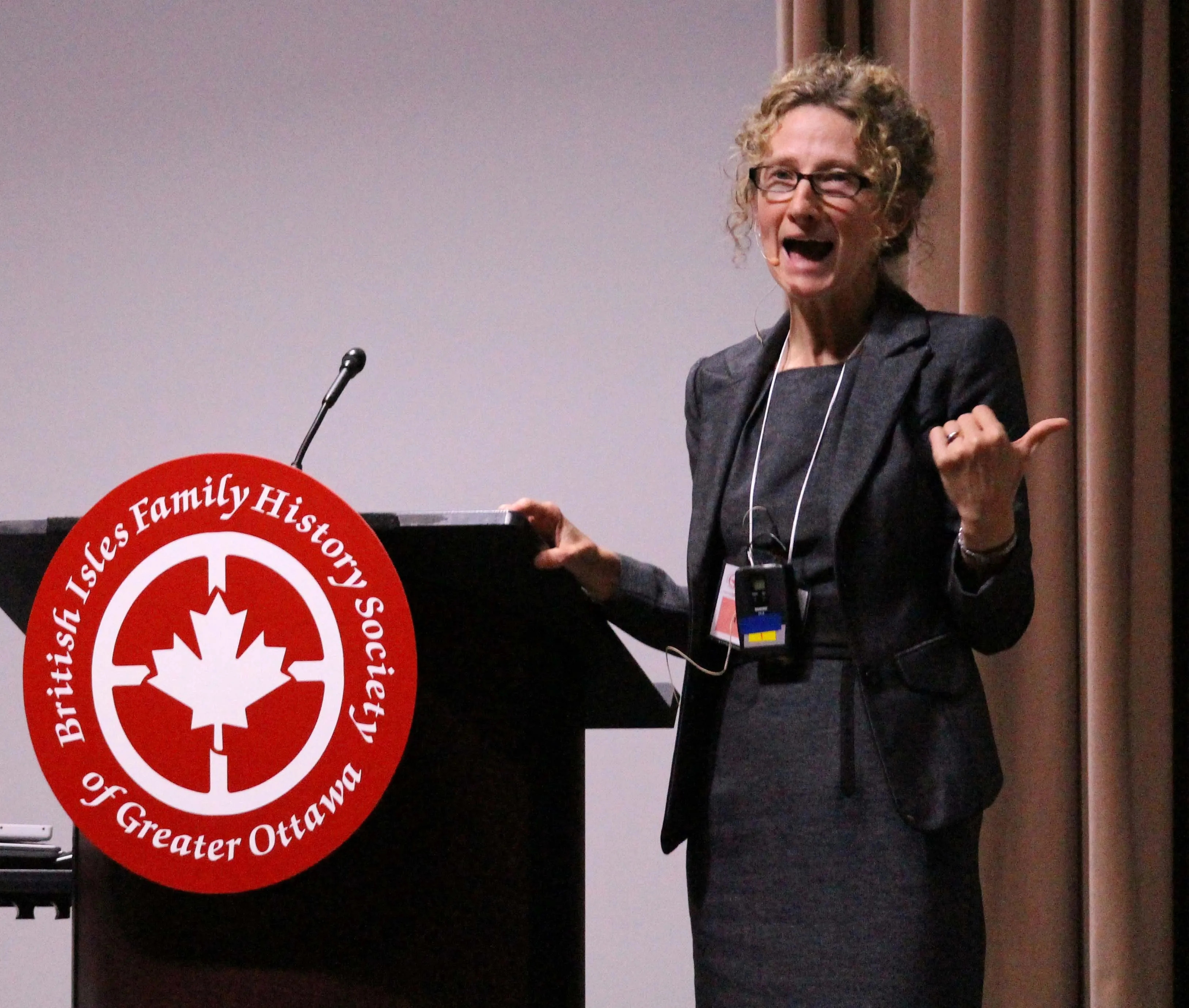
Jennine Hurl-Eamon's research focuses on Britain and the empire in the late eighteenth century. She began her career by working on the history of crime, gender, and violence. More recently, she has published on the social history of the British Army, with an emphasis on military families and childhood and war. She has supervised MA theses on a wide range of topics related to aging, war, childhood, rape, religion, and witchcraft.