
Lab
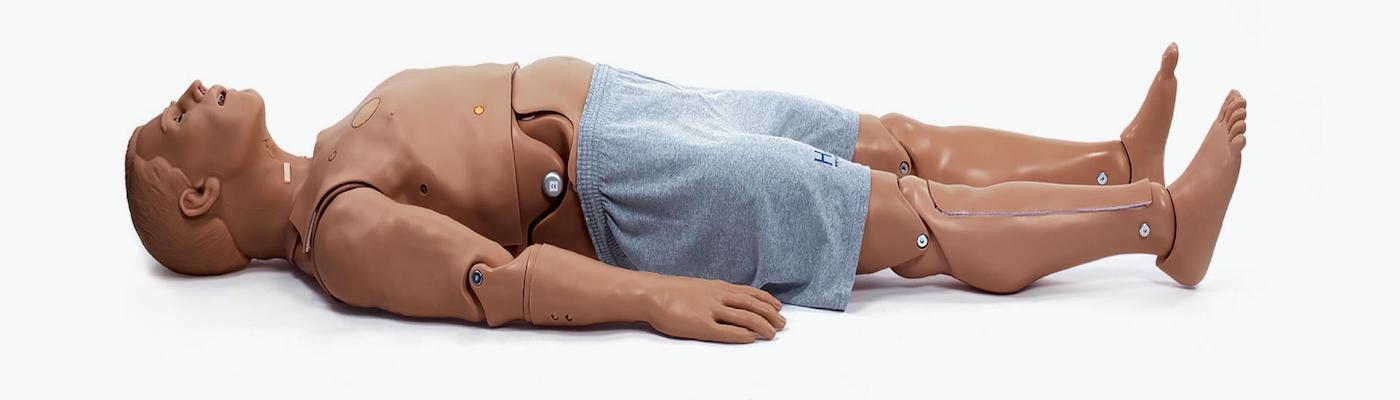
Labs are an opportunity for you to learn and practice the foundations of nursing skills. Here you will have the opportunity to collaborate with your peers and demonstrator to develop your nursing practice as it relates to your clinical courses. Each clinical course has a specific area of focus and will build in complexity each year. In year one you will learn how to incorporate relational practice as you perform your foundational nursing skills. For example, you will learn about providing personal care. Personal care includes interventions such as such as assisting with bathing. In lab you will be learning the psychomotor skills required for assisting with bathing and how to be present with your client taking into account and their needs through active listening. Active listening is an important part of relational practice where you learn how to ask questions, build empathy and collaborate with the patient themselves, their family and health team. You will work towards becoming comfortable and confident with your nursing practice and in sensitive situations for vulnerable persons.
Simulation
Simulation is a reproduction of clinical situations and scenarios that presents you with the opportunity to enhance your relational practice and skills development in a safe learning environment. Simulation can be in the form of high fidelity mannequins, simulated participants, and virtual clinical scenarios. These scenarios incorporate content from theory courses, lab skills and clinical content. For example, in first year you will run through a scenario that requires donning and doffing of personal protective equipment with a health and wellbeing assessment of an elderly patient.
 Mid to High Fidelity
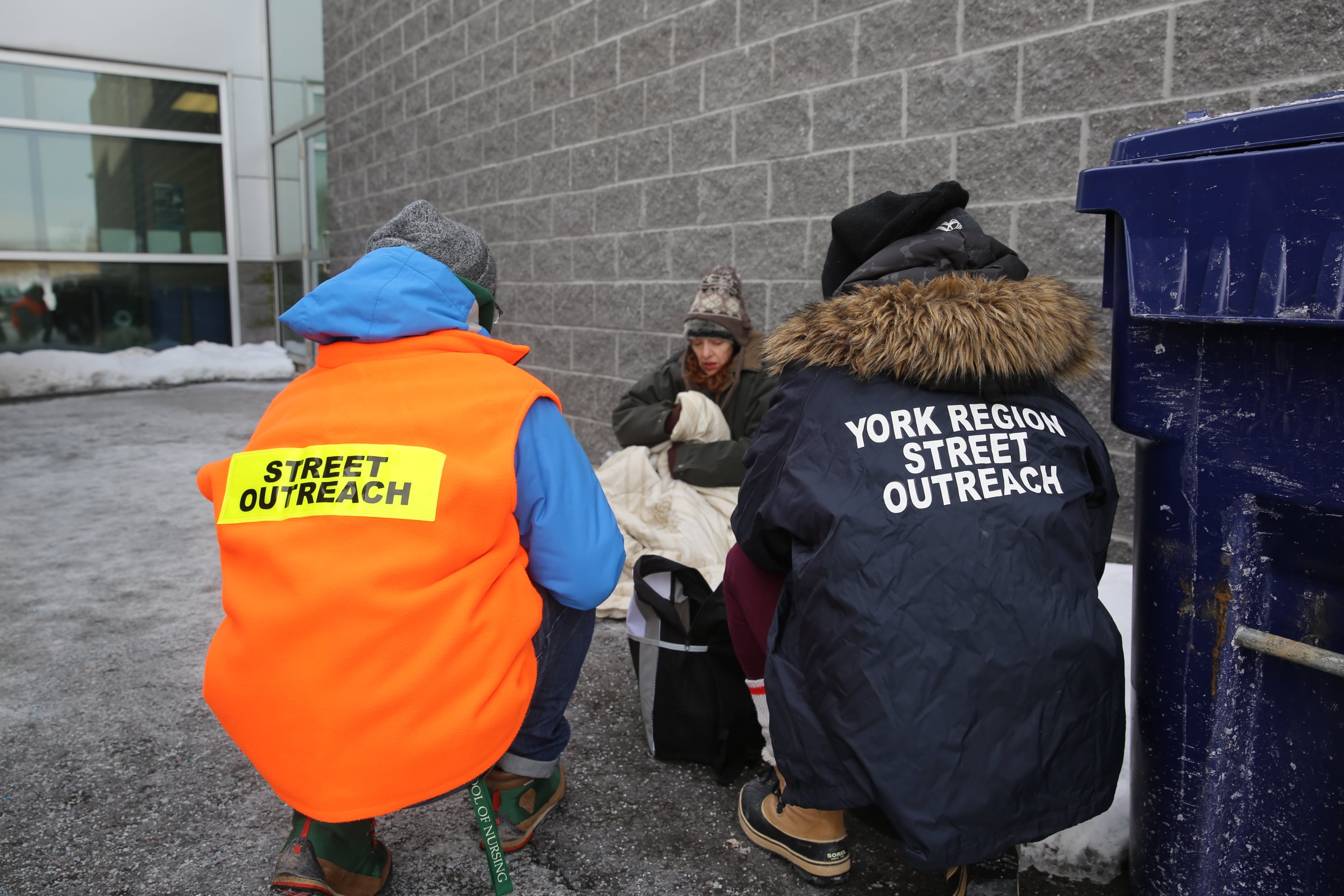
In terms of simulation, fidelity refers to the level of realism associated with the teaching and learning strategies. This can refer to the technology involved in the simulation. However, high fidelity scenarios can also occur without technology using resources such as patient actors. For example, in second year you will experience a high fidelity street health simulation, where you will take on the role of a street nurse working with someone experiencing homelessness. The picture to left demonstrates a high fidelity scenario with low technology.
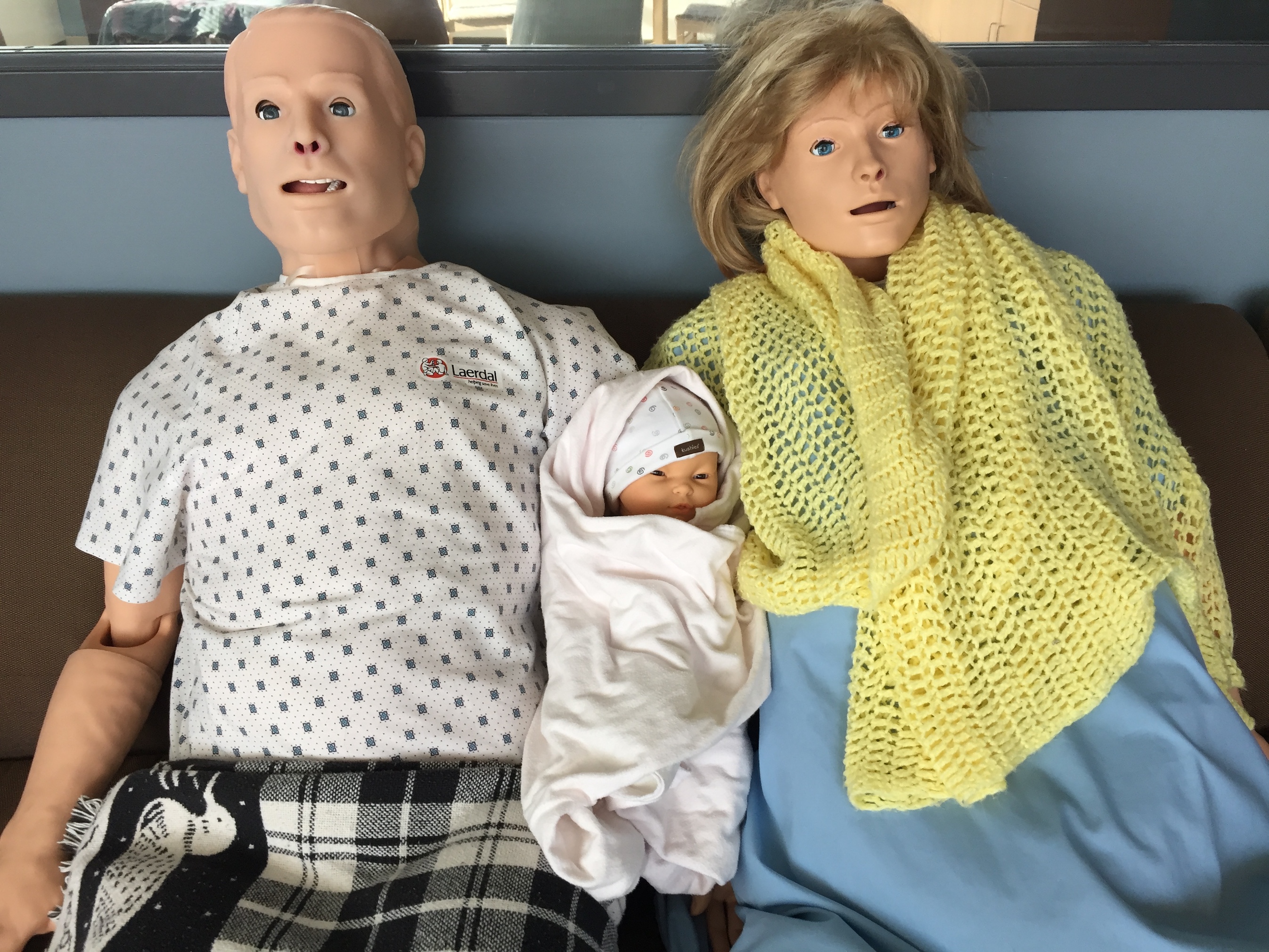
Mid to high technology includes a range mannequins and computer based learning. For example, The Hub makes use of mid to high fidelity mannequins. The Gaumard Family, Juno (CAE) and Laerdal Nursing Anne Mannequins are all apart of our larger teaching and learning family.
 The Gaumard Family
Hal, pictured to the left, is a high-fidelity human patient simulator. He is able to blink and speak. Hal allows you to take his pulse at multiple pulse points, listen to a variety of lung and heart sounds, and administer IV medications. Noelle, is a high-fidelity birthing simulator. You will work with Noelle to support her through the stages of labour. Noelle can replicate a variety of experiences from a healthy vaginal birth to a post-partum hemorage. You can look forward to meeting Noelle's beautiful baby boy named, Trent at the end of your birthing simulation, setting you up for your next learning opportunity of a neonatal assessment.
The Gaumard family provides you with hands on experience of real-life situations that you may not otherwise encounter in the placement setting. elevating your nursing knowledge, skill and judgement.
 Low Fidelity
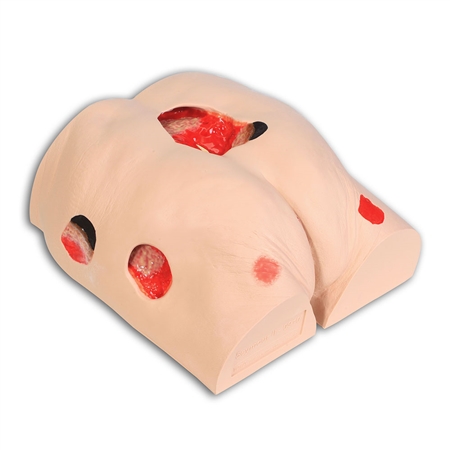
In terms of teaching and learning strategies, low-fidelity simulators (often referred to as task trainers) are used to help you develop specific skills. For example, while learning wound care you will use Seymour to identify and care for various wounds. Seymour is a wound care task trainer. This task trainer is a human buttocks with seven different wounds.
Virtual Simulation
Virtual simulation is a teaching and learning strategy that provides you with the opportunity to experience scenarios and intervene in clinical situations online. This affords additional practice opportunities that maximize your and patient safety while optimizing outcomes of care. You will engage with virtual patients in a variety of clinical settings that requires you to incorporate knowledge, skill and judgement learned in theory and clinical courses. For example, in third you will experience an online emergency department scenario. You will need to prioritize your patients care, identifying their most critical needs, how to address those needs and when to delegate interventions to other members of the health team.