Marcia Manitowabi
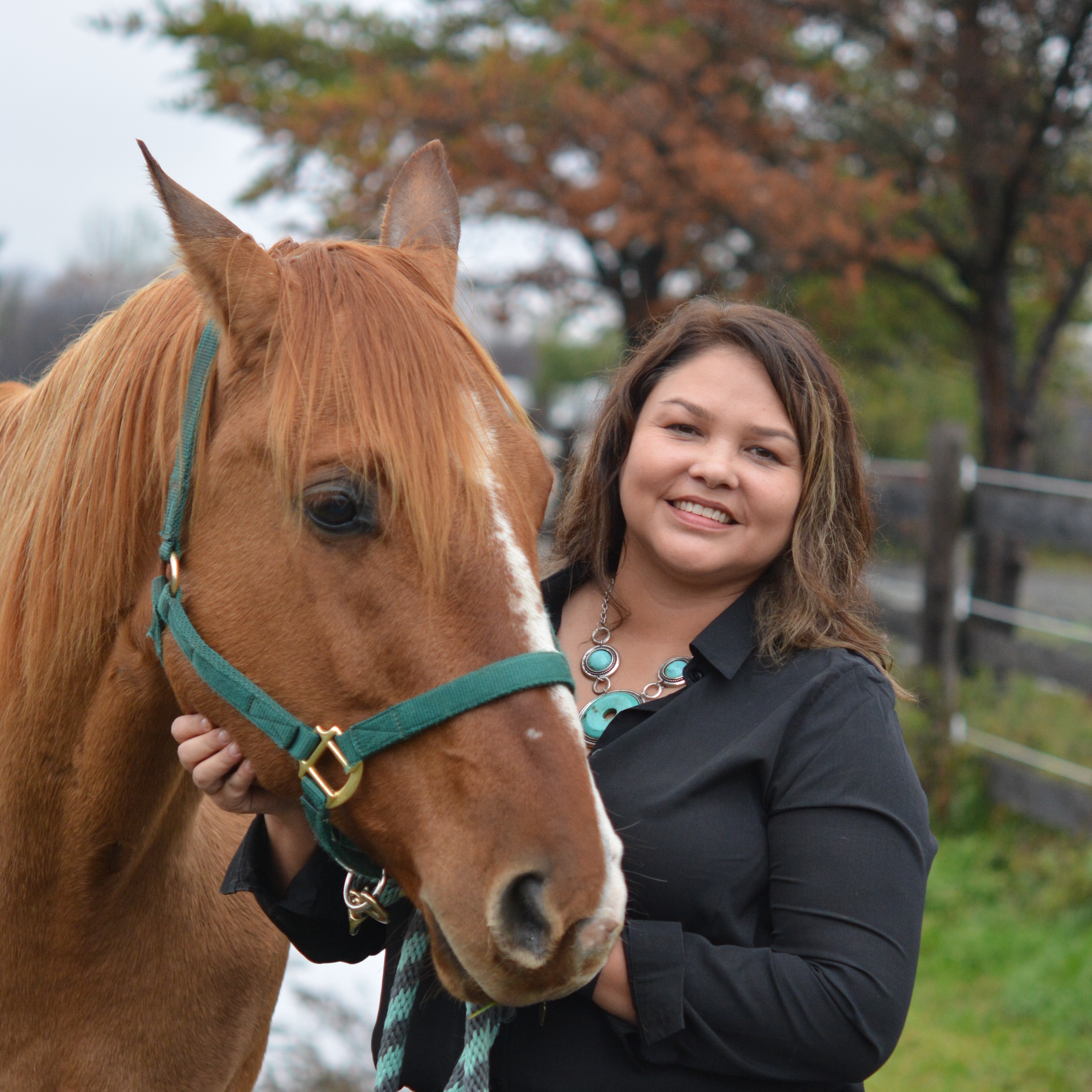 Marcia Manitowabi, MSW, RSW, is a PhD candidate in Indigenous Studies at Trent University. Known as Wabanung Kwe (Morning Star Woman), an Odawa/Ojibway , Bear Clan, from Wiikwemkoong Unceded Territory. Marcia is a registered social worker, counsellor, educator, Certified Equine Assisted Facilitator, and owner of Reflections Nanaandwejgejig Bezhigoogizhiik. Her work supports the well-being of Indigenous children, youth, and families through culturally grounded, land-based, and horse-assisted healing.
In 2024, Marcia brought four Ojibwe Spirit Horses to Wiikwemkoong as part of her commitment to revitalizing Indigenous horse culture and traditional knowledge. A recipient of a 2025 SSHRC Doctoral Award, her research, Healing with Horses: Naandwegok Bezhigoogzhiik—Exploring Traditional Ways of Knowing in Indigenous Communities, examines Indigenous Horse Medicine as resurgence and relational healing. She will present her research at the INIHKD 2026 Riel for Future Generations Conference in Rarotonga, Cook Islands.
Cat Free
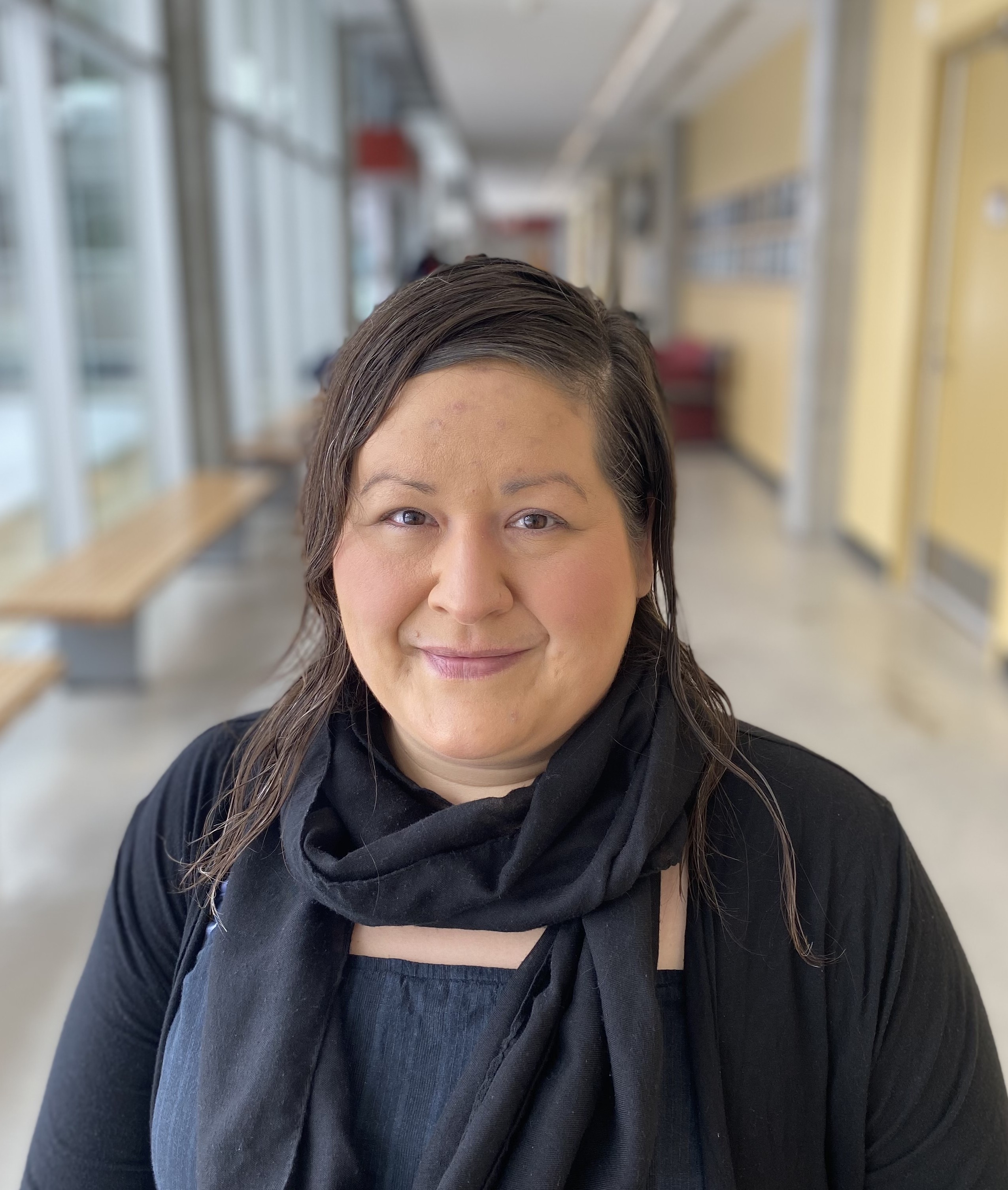 My name is Cat Free MSW, RSW and PhD Candidate (ABD) at Trent University. My research is broadly about Indigenous food sovereignty and specifically about Indigenous Chefs. My dissertation title is “Decolonizing the Plate: How Indigenous Chefs in (Primarily) Ontario are Reclaiming Food Sovereignty”. I am a Social Sciences and Humanities Council (SSHRC) CGRS-D Scholarship recipient (2026). I am also the recipient of the Canada Research Training Awards Suite-Research Travel Supplement (CRTAS-RTS) to take my research international to Valdivia, Chile at the Universidad Austral de Chile to work with Dr. Gonzalo Saavedra, Professor of Anthropology. My first publication is an article I wrote fusing together two topics that are close to my heart entitled “Strings of Sustenance: Puppetry Arts and Indigenous Food Sovereignty.”
Free, Cat. Strings of Sustenance: Puppetry Arts and Indigenous Food Sovereignty. Canadian Theatre Review, 2 (205). https://doi.org/10.3138/ctr.205.02
Keeley Friar
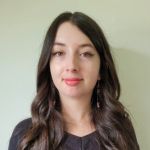 Keeley Friar is a member of Hiawatha First Nation and a PhD Candidate in the Chanie Wenjack School for Indigenous Studies. She is a graduate of Trent University's Master of Education and Indigenous Bachelor of Education programs and is certified by the Ontario College of Teachers. Keeley was awarded a SSHRC Doctoral Fellowship for her research, which focuses on community perspectives on Indigenous education, including the role of the land in teaching and learning.
Beth Jacobs
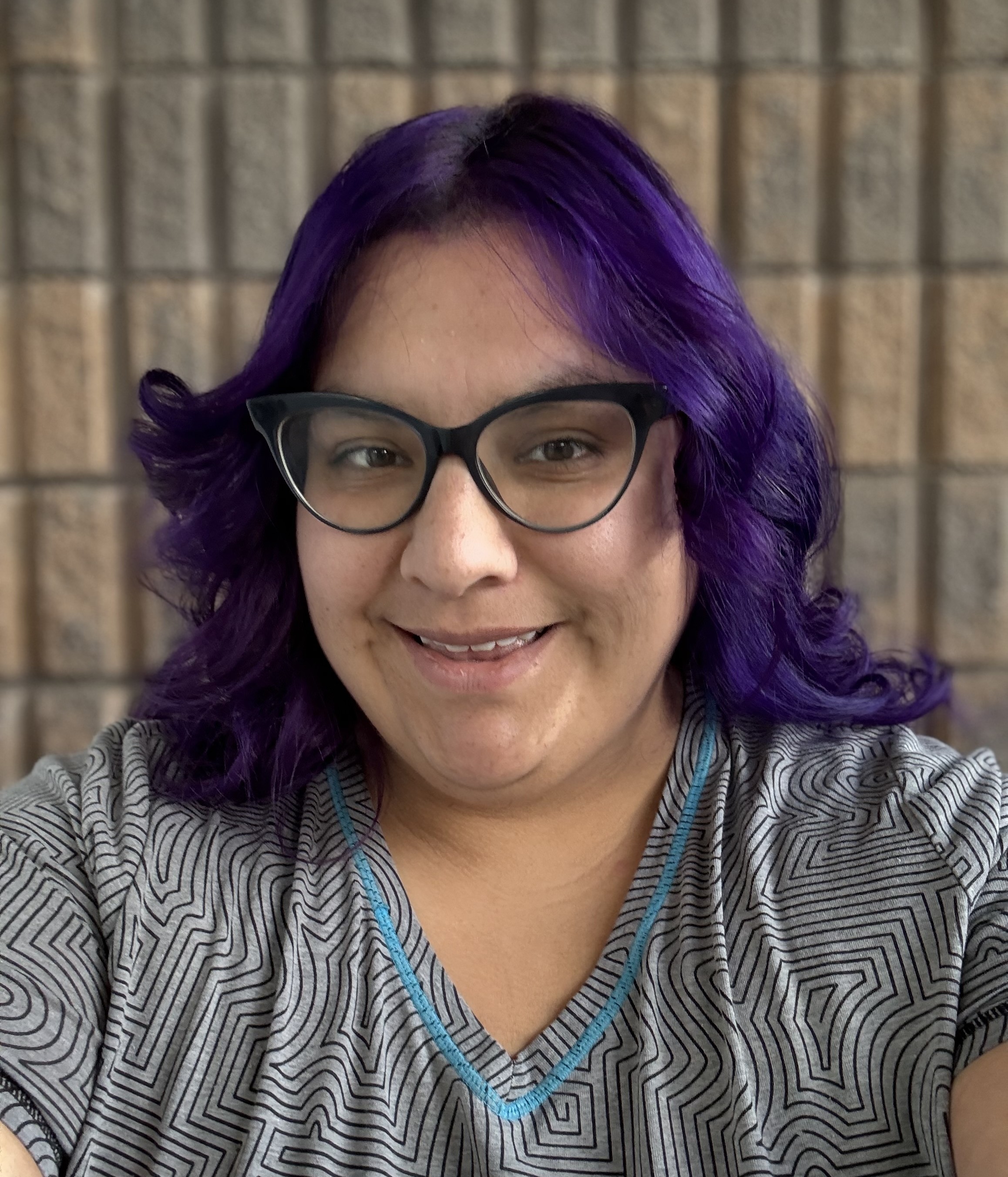 Beth Jacobs (they/them) is a Two-Spirit, mixed Anishinaabe (Walpole Island)- Newfoundlander. They are a beader, re-searcher, counsellor-helper, survivor, and advocate. Their studies center anti-oppression as helpers in both individual and collective healing and wellness (ie: 2SLBGQTIA+ joy, anti-racism, anti-sanism and anti-ablism, and liberation, critical race praxis), being guided by centring Indigenous ways of knowing, being, doing and belonging. They volunteer on a research team focusing on anti racism, equity and decolonization in academia. They are actively involved in supporting individual and collective wellness through counseling and community work. Their PhD focuses the direction on: Indigenous experiences of trauma and dissociation and how individuals and communities center cultural resurgence and collective resistance in healing and wellness. Their research dissertation title is currently: Re-storying and Responding to Indigenous Experiences of Trauma-related Dissociation: Reflecting on Journeys of Kaandossiwin, Embodying Biskaabiiyang, and Centring Wiidookodaadiwin in Wellness.
Ethan Coudenys
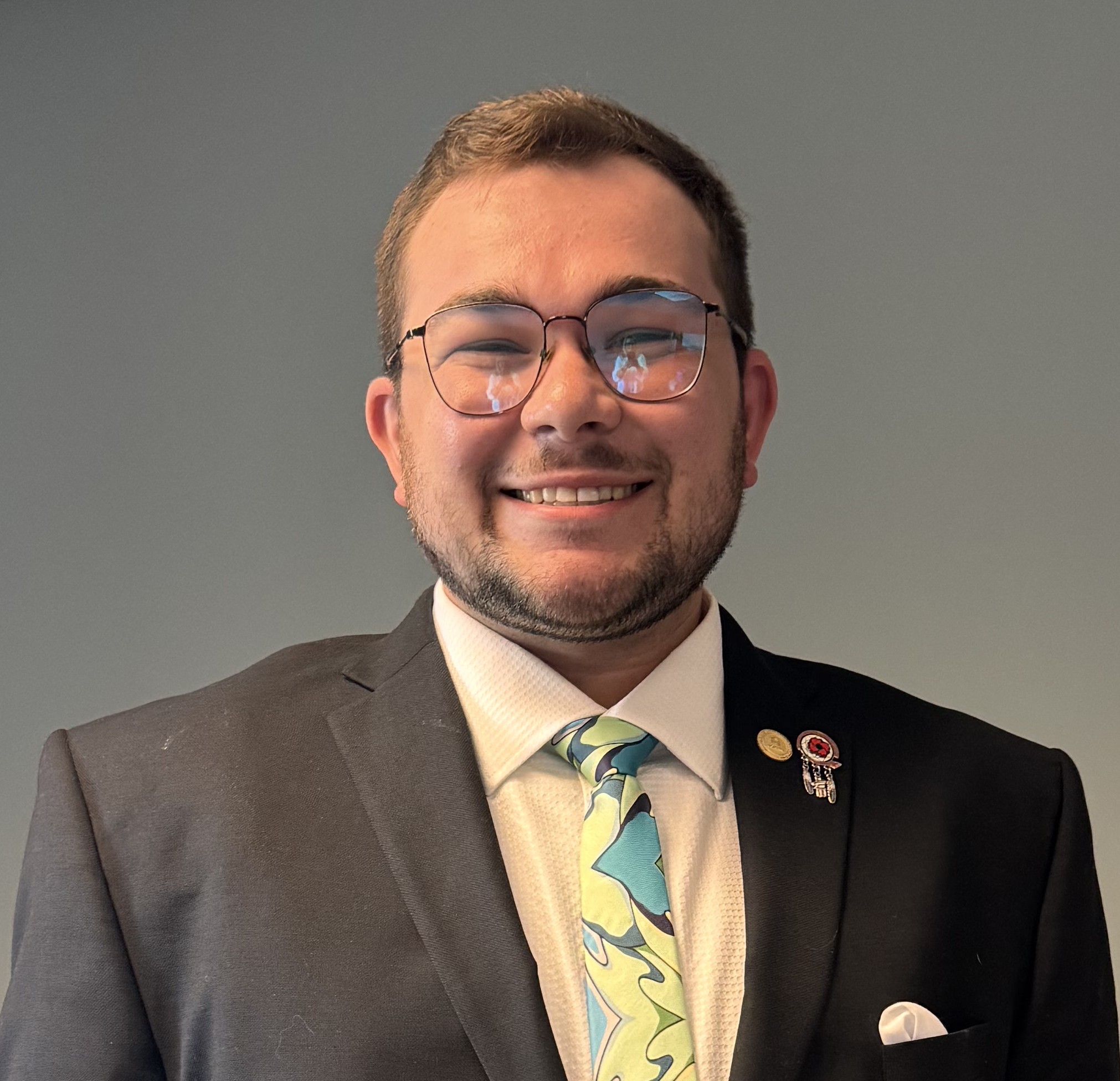 K’wey, my name is Ethan M. Coudenys and I am a member of the Pekuakamiulnuatsh First Nation. I hold a Masters and Bachelors degree in History and my research has focused on Indigenous military and political history in the early-twentieth century. My doctoral research will be focusing on the role played by Indigenous veterans of the First World War on Indigenous political activism during the interwar period.
Stephanie Sanders
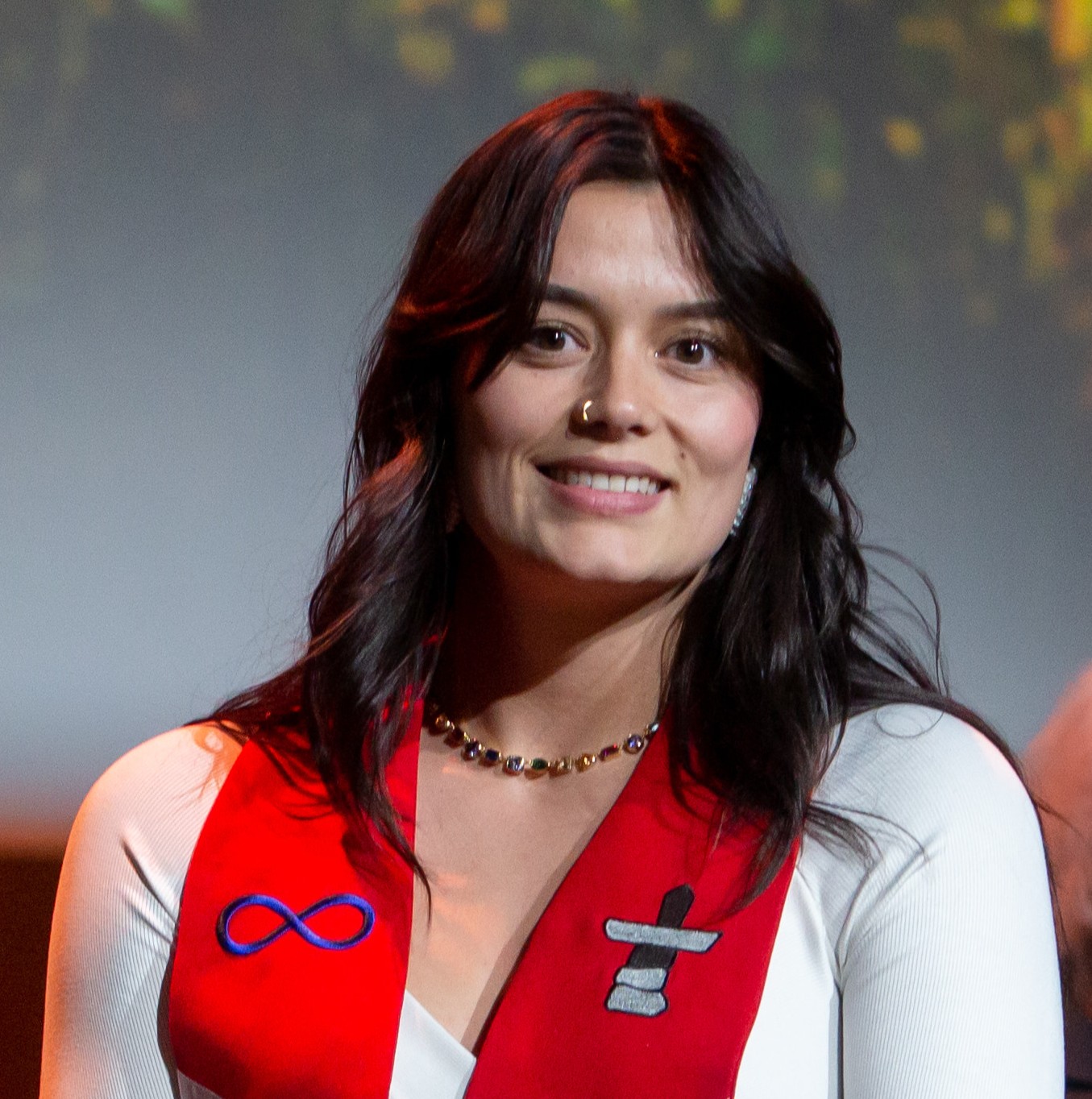 My name is Stephanie Sanders Veletic, and I am Anishinaabekwe. My Indigenous heritage is Ojibwae from Curve Lake First Nation and Chippewa from Aamjiwaang First Nation. I am a member of Curve Lake First Nation. My heritage also includes: Spanish, French Canadian & Welsh. My profession the last few years has been to support educators in their journey toward decolonizing their pedagogy and incorporating Indigenous perspectives, and reconciliation education into their classroom. My hope is to continue to dive deeper into the research of my MRP: Indigegogy in the Ontario Classroom, but focus more on educational leadership (vice principals, principals, superintendents, etc). My plan is to explore leadership education training in Ontario to determine how we can offer them more intentional Indigenous education professional development, in order to create effective change in the Ontario education system. I believe that we need to better educate educational leaders, so they can continue to advocate for accountability and systematic change.
Ashley Thompson
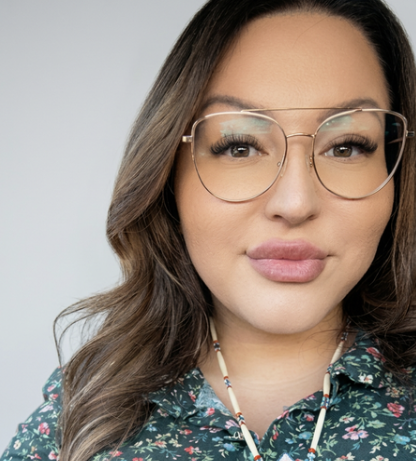
Ashley Thompson is a second-year PhD student in the Indigenous PhD Program and from Akwesasne Mohawk Territory. Her research focuses on language continuance through intergenerational learning through beadwork, exploring how beadwork and other creative practices can support the transmission of Indigenous language, cultural knowledge, identity, and relationships across generations.
Her work considers beadwork as more than an artistic practice—it is a way of learning, teaching, and carrying knowledge. Through an Indigenous, community-based, and arts-based approach, Ashley examines how intentional engagement with language through beadwork can strengthen connections to culture and create opportunities for intergenerational language learning.
Ashley Lamothe
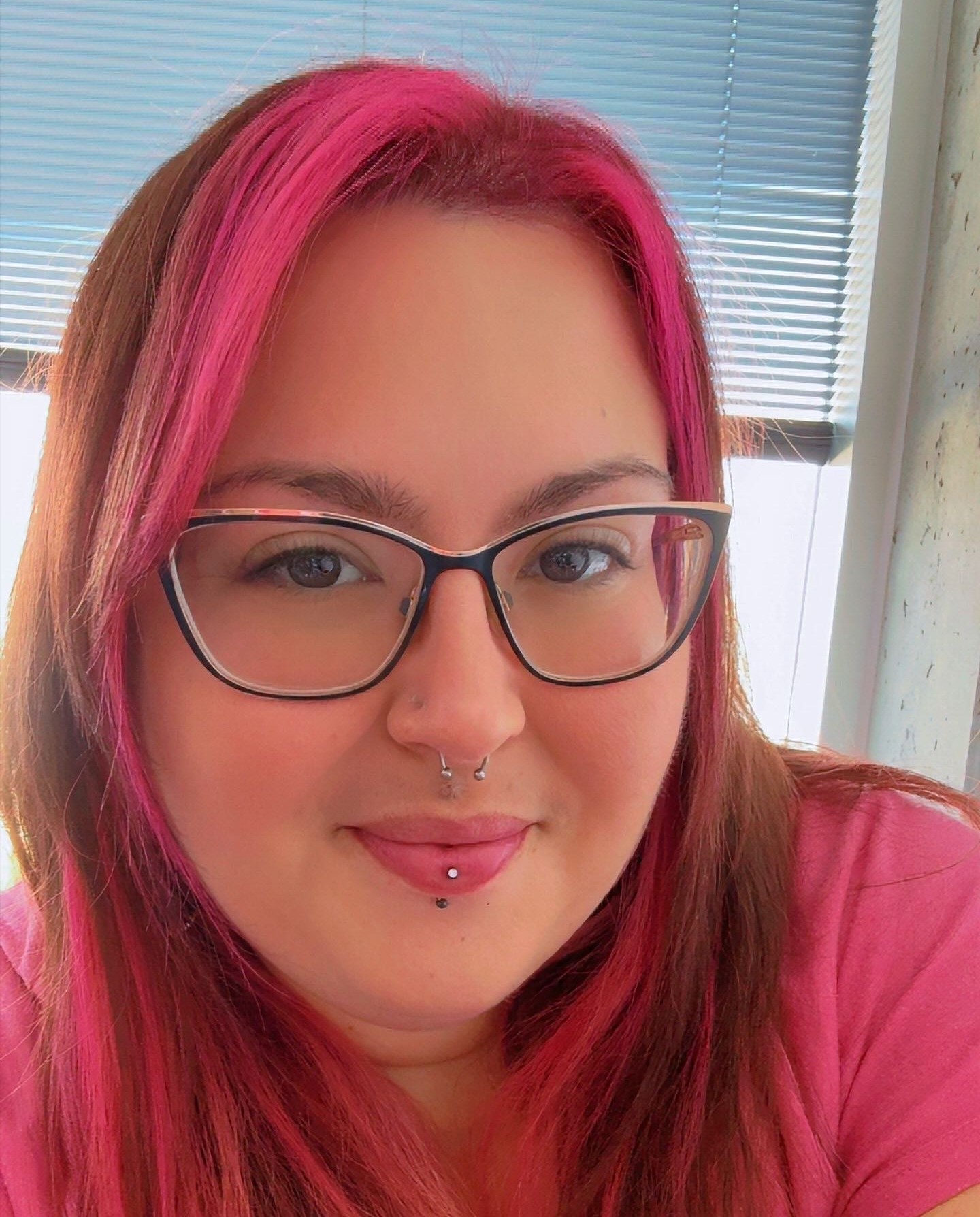
Ashley Lamothe is a proud AnishnaabeKwe/Métis Mother, artist, and entrepreneur with family ties to Long Lac 58, Garden River First Nation and Red River Métis.
Going into their second year of the Ph.D program, Ashley’s research centres on the intersection of Indigenous creative practice, and cultural knowledge transmission, including the exploration of creative practices such as textile arts, storytelling, tattooing, beadwork and making as embodied, relational, and experiential ways of carrying Indigenous knowledge across generations. Her research considers how Indigenous creative practices have transformed and remained active while maintaining relationships to knowledge, community, land, and identity. Drawing on Indigenous methodologies, arts-based research, autoethnography, participatory arts, and experiential learning,
Ashley is interested in what becomes possible when creative practice is understood not simply as an object of study, but as a way of knowing, learning, and transmitting knowledge.
Shawn Marche
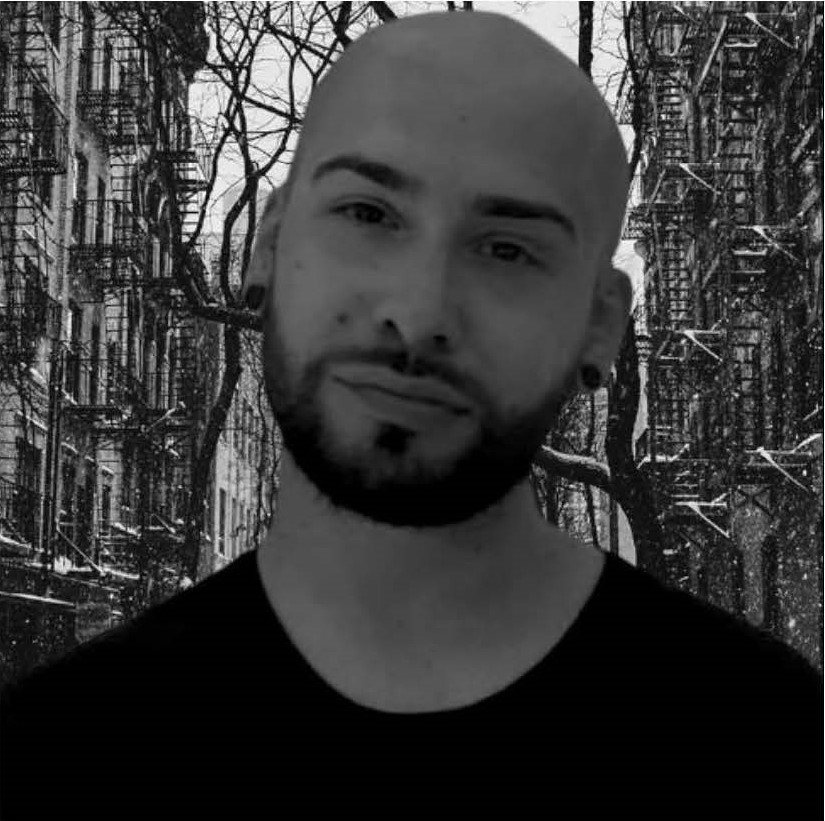 Shawn, from Qalipu First Nation with Mi’kmaw and Newfoundland Settler heritage, explores colonialism’s effects on Two-Spirit/Indigiqueer identity among Indigenous Peoples.
Their research focuses on historical and modern challenges, aiming to understand identity layers influenced by both external and internal factors.
Mackenzie Ramsay
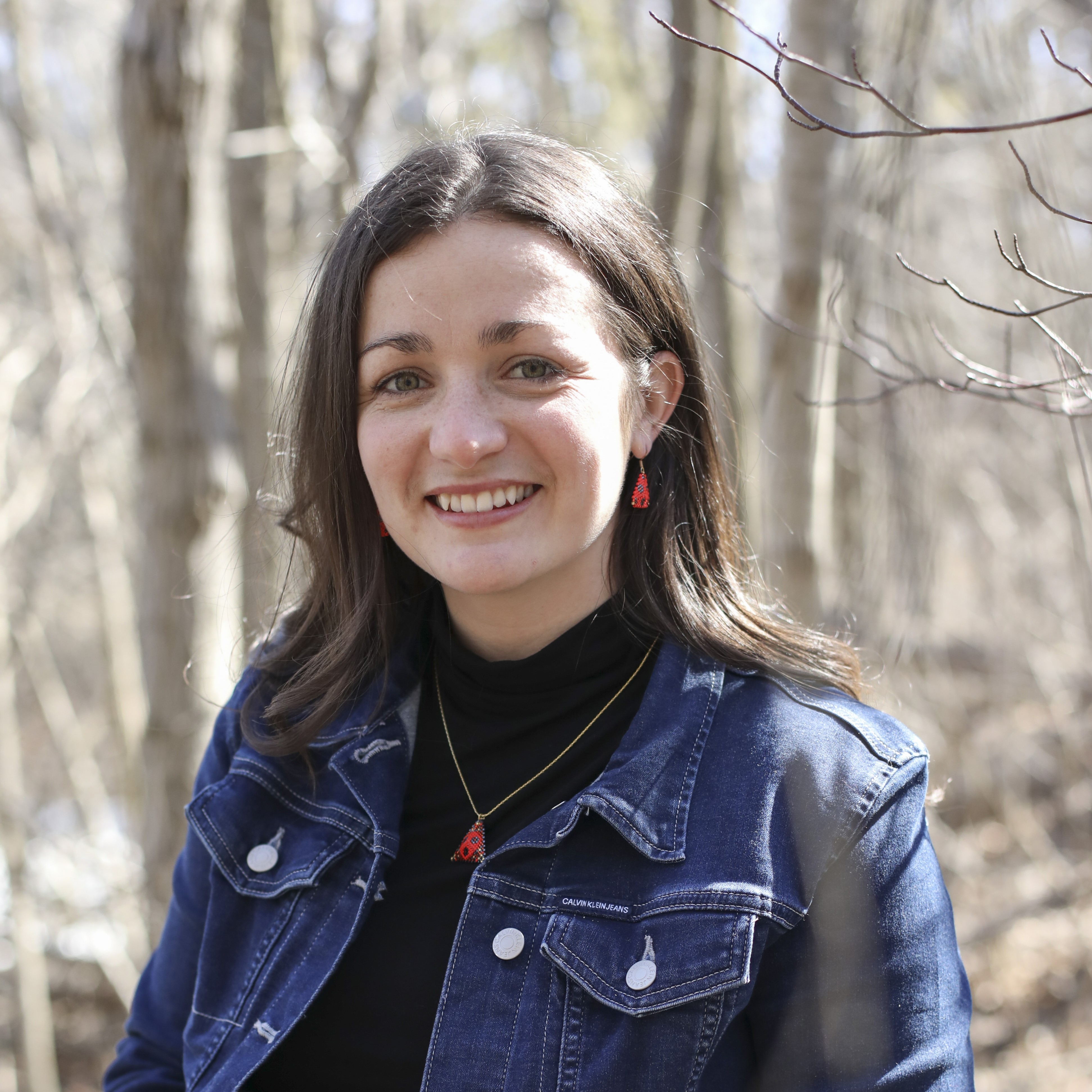 Mackenzie Ramsay – Shoobeegheenee Niibish (she/her) – is a registered citizen of the Métis Nation of Ontario, and proud descendant of the Clermont-Dusome family line and member of the diasporic Georgian Bay Métis community. Mackenzie is a PhD candidate within the Chanie Wenjack School for Indigenous Studies at Trent University and has chosen to pursue the Dissertation Knowledge Basket stream. Using methodology, methods, and creative components unique to her positionality as Métis Kwe, Mackenzie participates in her own healing and Indigenous resurgence journey while addressing current systemic barriers for Indigenous Peoples engaged in multi-actor environmental stewardship and decision making in Ontario. Passed down from generation to generation, Mackenzie uses her Métis family’s patchwork quilting method as the creative format for holding and sharing the knowledges remembered in her re-Search. Mackenzie is a grateful recipient of the William B. Reid Graduate Scholarship (2024) and the Indigenous Great Lakes Network Graduate Student Scholarship (2026).
Samantha Roan
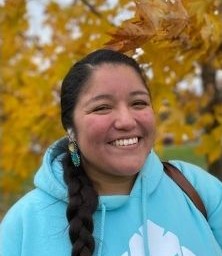 Aniin/ Boozhoo niindiginkaaz Binesibekwe. Mishkosiminoziibing indojiba. Tan'si, niya Yotinahiskwew. Big Grassy ochi niya. I am Samantha Roan. I am Anishnaabekwe and Nehiyawiskwew from Big Grassy River in Treaty 3. I am Lynx Clan. I have family ties that span Treaty 1 - 8. My homelands are Lake of the Woods to the foothills of the Rocky Mountains. I have 3 children and a wonderful partner from Maskwacis, Treaty 6 by way of Mountain Cree Camp.
I am a third year PhD student and I will be researching how healthcare providers are taught about Indigenous peoples and the policies that affect this learning. I hope to make accessing healthcare safer so that my children and yours will have better experiences.
Amanda McCabe
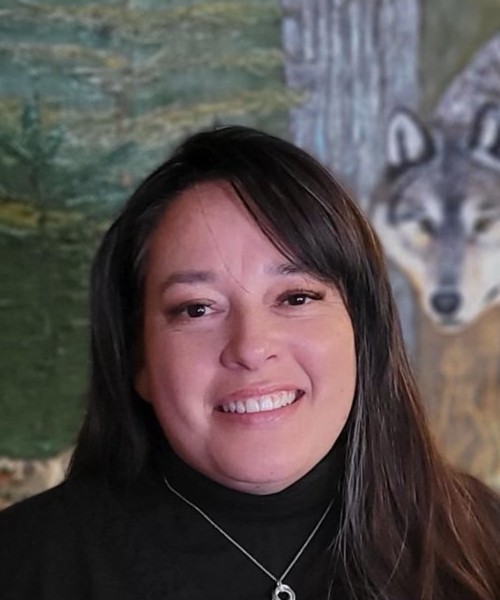 Aanii Boozhoo. Amanda ndi-zhinikaaz. Bahweting ndoonjibaa. Batchewana First Nation megwaa ndidaa. Hello, my name is Amanda and I am from Sault Ste. Marie area, living in Batchewana First Nation. I am a second year PhD student focusing on early literacy acquisition within Anishinaabemowin language, culture and land-based instruction.
Brooke Lavallee
 My name is Brooke Lavallee, and I am a member of Chippewas of Nawash Unceded First Nation, bear clan. I hold a Masters of Education with specialization in Indigenous Education. My research will centre on urban Indigenous-led early learning programs that are rooted in connection to land, culture, and language, aiming to understand their influence on Indigenous identity formation.
Carolynne Warton
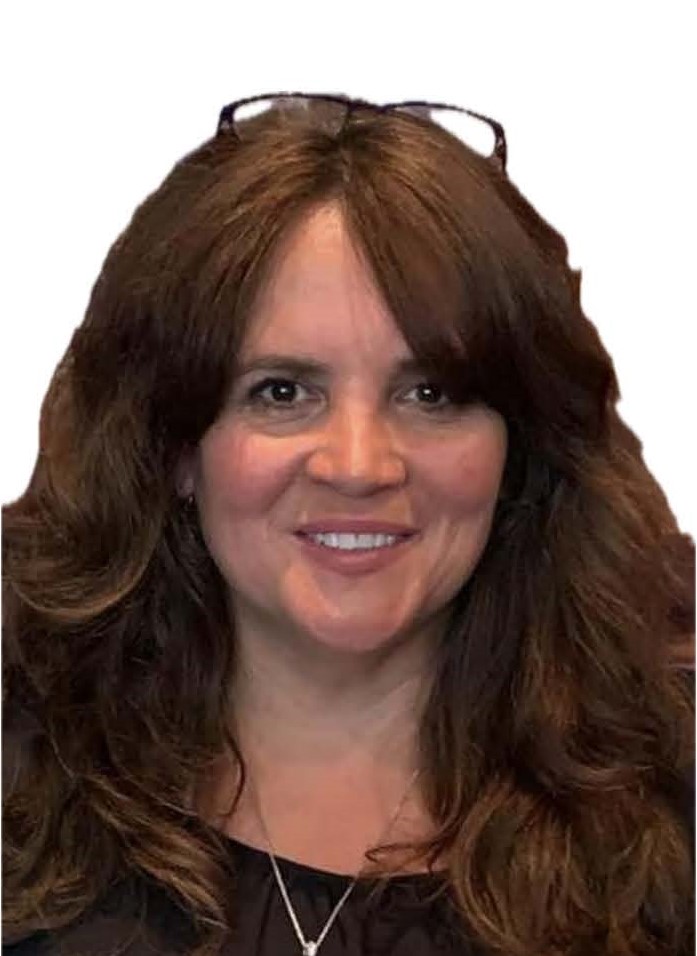 Carolynne is a member of Chippewas of Georgina Island First Nation, Waubezhayshee dodem and is a third year PhD student and registered psychotherapist. Her research will explore how immersion in Anishinaabe Ancestral knowledge can enhance and contribute to children's and youths’ well-being.
Lisa Marie Milliken
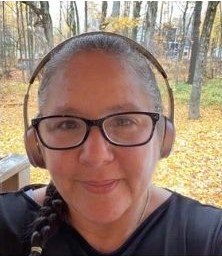 Lisa Marie Milliken, Chippewa of Kettle and Stony Point FN, is developing a Knowledge Basket/dissertation podcast presentation to explore strategies that improve wholistic wellbeing of Two-spirited youth experiencing trauma in Canada. Her research methodology seeks to decolonize, centre Indigenous knowledge and queer theory while utilizing trauma informed, community-based methods. She is a mother of five beautiful children and two grandchildren and currently resides with her partner in Curve Lake First Nation where she works remotely for Indigenous Services Canada.