

Understanding what is included in a lease and what your Rights and Responsibilities are as a Tenant
Understanding a lease
- What is included in a lease? Being prepared when signing a lease will help you be proactive to ask questions and include information you might not have been expected to include.
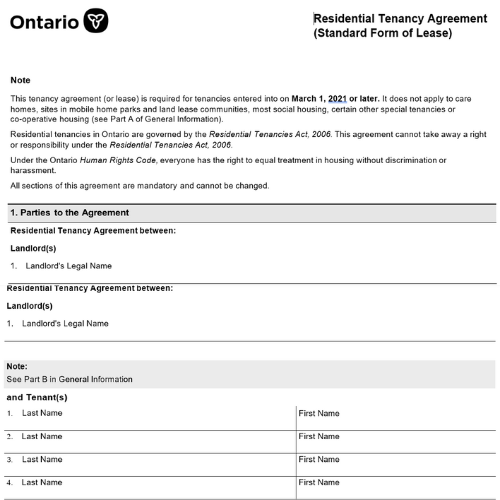
- Review the standard lease under the Residential Tenancy Act.
- Additional information from the lease the Landlord and Tenant should understand and agree upon includes:
- Exterior to the property- grass cutting, snow removal, garbage removal,
- Interior to the property- painting, hanging pictures, what can you personalize and what is considered damage. Having a sense of what you can and cannot do will help to develop this house into a home.
Landlord and Tenant Rights
- Tenant Rights- as a tenant you should know what your rights are and what the landlord can and cannot do or ask.
- Landlords Responsibilities- having an understanding and reviewing the responsibilities with the Landlord will help create a positive rental experience going forward.
Fact Sheet- Proper Lease, Eviction, and Rent Payments
Proper Lease
- In Ontario, landlords and tenants are suggested to use the Ontario Standard Lease Agreement (also referred to as a Residential Tenancy Agreement) for most residential agreements signed on or after March 1, 2021
- When is the Standard Lease Agreement not required?
- If sharing a bathroom or the kitchen with the landlord or their immediate family, the Ontario Standard Lease Agreement is not required.
- Care homes, sites in Mobile parks and land lease communities, social and supportive housing that’s exempt from rent guidelines, member units in co-operative housing, any other accommodations exempt from act (e.g. sharing kitchen/bathroom with landlord)
- When is the Standard Lease Agreement not required?
- Be sure to distinguish between a (unofficial) rental application and an official Ontario Standard Lease Form
- Some landlords may request candidates to fill out an application before signing the lease. An application is just that, applying to a room/apartment
- A rental application is not a Standard Lease Agreement
- Applications are intended to provide landlords with relevant information about potential tenants to help with their decision (e.g. contact info, references, hobbies, some financial records such as credit score)
- When filling out an application, NEVER GIVE MONEY & AVOID PROVIDING SENSITVE INFO (e.g. social insurance number)
- Some applications may request sensitive info like sin card and bank account information
- It’s best to leave these areas blank and politely explain to the landlord how you’re uncomfortable providing sensitive info that is not needed on the Standard Lease Agreement
- Do not give any money until signing the official Standard Lease Form to avoid potential scams
- Only provide first and/or last month’s rent. Some landlords may request a refundable key deposit
- Never pay cash, always leave a money trail through cheque or e-transfer
- Some applications may request sensitive info like sin card and bank account information
- Landlords cannot legally ask for more than first and last month’s rent and a refundable key deposit
- Landlords cannot request a security or damage deposit- only a rental deposit that goes to last month’s rent. This deposit cannot be used for anything else (e.g. pay for damages) except to pay rent.
- Avoid verbal lease agreements
- Always sign an official lease!
Eviction
- There are two main reasons that allow landlords to evict tenants (end a tenancy): For-Cause and No-Fault evictions.
- No-Fault Eviction
- Major repairs or renovations that require a building permit and an empty rental unit
- Personal use by landlord or their immediate family (or caregiver)
- Landlord is selling property, new owners (landlord, immediate family, or caregiver) want all or part of property for personal use. This reason only applies to rental buildings with 3 or less units.
- Landlords evicting tenants for most ‘no-fault’ reasons must provide some form of compensation (one or more month’s rent)
- For-Cause Eviction
- If a tenant, guest, or someone who lives in unit does something illegal, not acceptable or neglects their tenant responsibilities
- Examples include:
- Not paying full rent
- Causing damage to unit/property
- Illegal activity
- Disturbing other tenants and/or landlord
- When should landlords give an eviction notice?
- The timeframe depends on the reason for eviction, but landlords should give each tenant notice of eviction before the termination date
- After giving eviction notice to tenant(s), the landlord can apply to the Landlord and Tenant Board (LTB) to end a tenancy
- Other reasons allowing landlords to apply to LTB include: evicting unauthorized tenant, abandoned unit, landlord and tenant agree to end tenancy, etc. (this list is not exhaustive).
- In most cases, landlords have a deadline to apply to LTB to end tenancy
- Most applications should be submitted within 30 days of the termination date stated in the eviction notice or agreement
- NOTE- there is no deadline for submitting applications where the tenant has not paid rent (e.g. N4 notice)
- Most applications should be submitted within 30 days of the termination date stated in the eviction notice or agreement
- What happens after a landlord submits an application to the LTB?
- If the tenant does not move out after receiving eviction notice from landlord, the landlord can apply to the LTB for an order to evict the tenant.
- The LTB will schedule a hearing after receiving the eviction application, but there are exceptions. A hearing won’t be held if:
- Tenant gave notice to end tenancy, tenant made agreement with landlord to end tenancy, or the tenant breached an LTB order or mediated settlement and the order/settlement enabled landlord to apply for eviction without a notice to tenant
- LTB will give tenant/landlord a ‘Notice of Hearing’ as well as a copy of the application
- At the hearing, the tenant can challenge the landlord’s eviction application
- Decision about the eviction order will be issued (in writing) by LTB adjudicator
- If eviction order is granted, and the tenant remains in unit after the termination date in the order, only the Sheriff (Court Enforcement Office of the Superior Court of Justice- ‘Sheriff’s Office’) can legally remove tenant or change locks on the unit
- Does a Tenant need to move out immediately once receiving an eviction notice by the landlord?
- No. Tenants can dispute the landlord’s eviction notice at an LTB hearing (see above notes).
Rent Payments:
- Rent should be paid on time and in full to avoid an eviction notice (N4 notice)
- As stated on the Standard Lease Form, landlords cannot force tenants to pay rent using a certain method (e.g. post-dated cheques or automatic payments) unless tenant agrees.
- Legally, landlords can only request first and last month’s rent and a refundable key deposit
- The refundable key deposit must be reasonable and no more than what the key would cost to replace it.
- Key deposit will be returned at the end of the lease
- Never pay cash. Always leave a money trail to avoid any potential issues.
Additional things to keep in mind:
Obtain a Copy of the Lease: Request a copy of the lease agreement from the landlord or property management company. Read through the entire document carefully.
Review Lease Terms: Pay close attention to the lease terms, including the duration of the lease, rental amount, payment schedule, security deposit requirements, and any provisions related to rent increases or renewal options.
Understand Tenant Rights: Familiarize yourself with the tenant rights specific to your jurisdiction. Tenant rights typically cover areas such as privacy, repairs and maintenance, eviction procedures, and the landlord's obligations.
Determine Included Utilities: Determine which utilities, such as water, electricity, gas, or internet, are included in the rent. Note any limits, shared expenses, or separate billing arrangements for utilities.
Examine Maintenance and Repairs: Review the section detailing maintenance and repairs. Understand who is responsible for repairs and how to report any issues to the landlord. Clarify the process for addressing urgent repairs or emergencies.
Check Property Restrictions: Identify any restrictions on the use of the property, such as rules regarding pets, noise levels, smoking, or modifications to the premises. Ensure you are comfortable with these restrictions and can comply with them.
Clarify Security Deposit Policies: Understand the rules governing the security deposit, including the amount, conditions for its return, and any deductions that may be made. Note the timelines for refunding the deposit after the lease ends.
Learn about Lease Termination: Determine the terms and conditions for lease termination, including notice periods required from both parties. Understand any penalties or consequences for breaking the lease early.
Seek Legal Advice if Necessary: If you have concerns or questions about the lease agreement, consider seeking legal advice from a tenant rights organization or a lawyer specializing in landlord-tenant law. They can provide guidance specific to your situation and jurisdiction. There are organizations that provide free legal advice in the Peterborough and Oshawa areas called the Peterborough Community Legal Centre (PCLC) and the Durham Community Legal Clinic (DCLC).
Discuss Concerns with the Landlord: If you have any questions or concerns about the lease terms, discuss them with the landlord or property management company. Seek clarification or request amendments if necessary, and ensure any agreed-upon changes are documented in writing.
Remember, signing a lease is a legally binding agreement, so it's important to fully understand its terms and your rights and responsibilities as a tenant. Taking the time to review and clarify any uncertainties will help ensure a smooth tenancy experience.
Renting Rooms and Sharing a Kitchen or Bathroom with a Landlord- Please note that tenants who rent a room and share a kitchen or bathroom with the landlord are not protected by the tenant rights outlined in the Residential Tenancies Act. This could result in a substantial increase of rent outside of Ontario’s residential rent increase guidelines or could result in an eviction without approval from the Landlord and Tenant Board