

Weaving (K)new Connections to Address Climate Change: Indigenous and Western Ways of Knowing for the 21st Century
Provost Lecture on Reconciliation
9:30 a.m. - 11:30 a.m.
Nozhem: First Peoples Performance Space, Enwayaang
Indigenous Knowledges and western ways of knowing can work together to address climate change on Turtle Island and globally, by bringing together diverse ways of knowing, understanding and interacting with the environment. While Indigenous Knowledge is grounded in cultural traditions and local ecological knowledge, western scientific ways of knowing are based on empirical observation and experimentation. Both knowledge systems have their own strengths and limitations, but through collaboration, they provide a more holistic, multidimensional, and comprehensive approach to understanding and addressing climate change. As Indigenous people comprise less than 5% of the world’s population but protect 80% of the global biodiversity, it is clear that Indigenous Knowledges can provide valuable insights into how climate change is impacting a variety of ecosystems, and how to adapt to changing conditions.
Keynote Speaker: Rebecca Sinclair
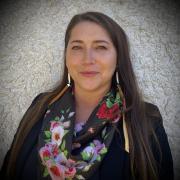 Rebecca Sinclair (Merasty) is a nêhiyaw-iskwêw, wife and mother of three, she is originally from Barren Lands First Nation (Treaty 5) and a member of Little Saskatchewan First Nation (Treaty 2). She moved to Winnipeg, a guest on Treaty One territory, to pursue a Bachelor’s degree in Environmental and Native Studies from the University of Manitoba. Rebecca works as Executive Director at Treaty and Aboriginal Rights Research Centre. Rebecca's passions are in land defence, cultural revitalization, research, and is board member of Akiing Onji Foundation and Waterways Canada. Actively reclaiming her native language, Rebecca pursues higher learning that comes from the land and learning alongside knowledge keepers and Elders. Her childhood spent on the land in northern Manitoba, has shaped her understanding and guided her efforts to protect and preserve the great gifts of our sacred Earth
Panelists
Dr. Dan Longboat, Haudenosaunee, Six Nations of the Grand River, Ontario
Associate Professor, Indigenous Studies, Trent University
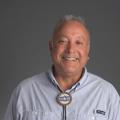 Dr. Dan Longboat, Roronhiakewen - "He Clears the Sky" - is the founding Director of Trent University’s Indigenous Environmental Studies and Sciences Program, the first of its kind in North America. Dan has spent his life dedicated to First Nations issues, stressing the importance of learning from Elders and Knowledge Holders as the foundation for identity, vision and life purposes. His work focuses on the application of Indigenous Knowledges in collaboration with western science to inspire the creative, critical and innovative thinking needed to return the earth to balance. Dan is a Turtle Clan member of the Mohawk Nation and a citizen of the Rotinonshón:ni (Haudenosaunee - People of the Longhouse), originally from Ohsweken - the Six Nations community on the Grand River.
Dr. Deborah McGregor, Anishinaabe, Whitefish River First Nation, Birch Island, Ontario
Associate Professor & Canada Research Chair in Indigenous Environmental Justice
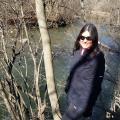 Dr. Deborah McGregor joined York University’s Osgoode Hall law faculty in 2015 as a cross-appointee with the Faculty of Environmental Studies & Urban Change. Professor McGregor’s work focuses on Indigenous Knowledge systems and their various applications in diverse contexts including water and environmental governance, environmental justice, forest policy and management, and sustainable development. Deborah believes that society needs to embrace indigenous knowledge and cherish the core values of balance, harmony, reciprocity, and sustainability which can guide us in our transformation to heal the planet. This is no longer a choice, but a dire necessity for us to survive as a species in this time of climate chaos.
Joe Pitawanakwat, Ojibway, Wikwemikong Unceded Indian Territory, Manitoulin Island, Ontario
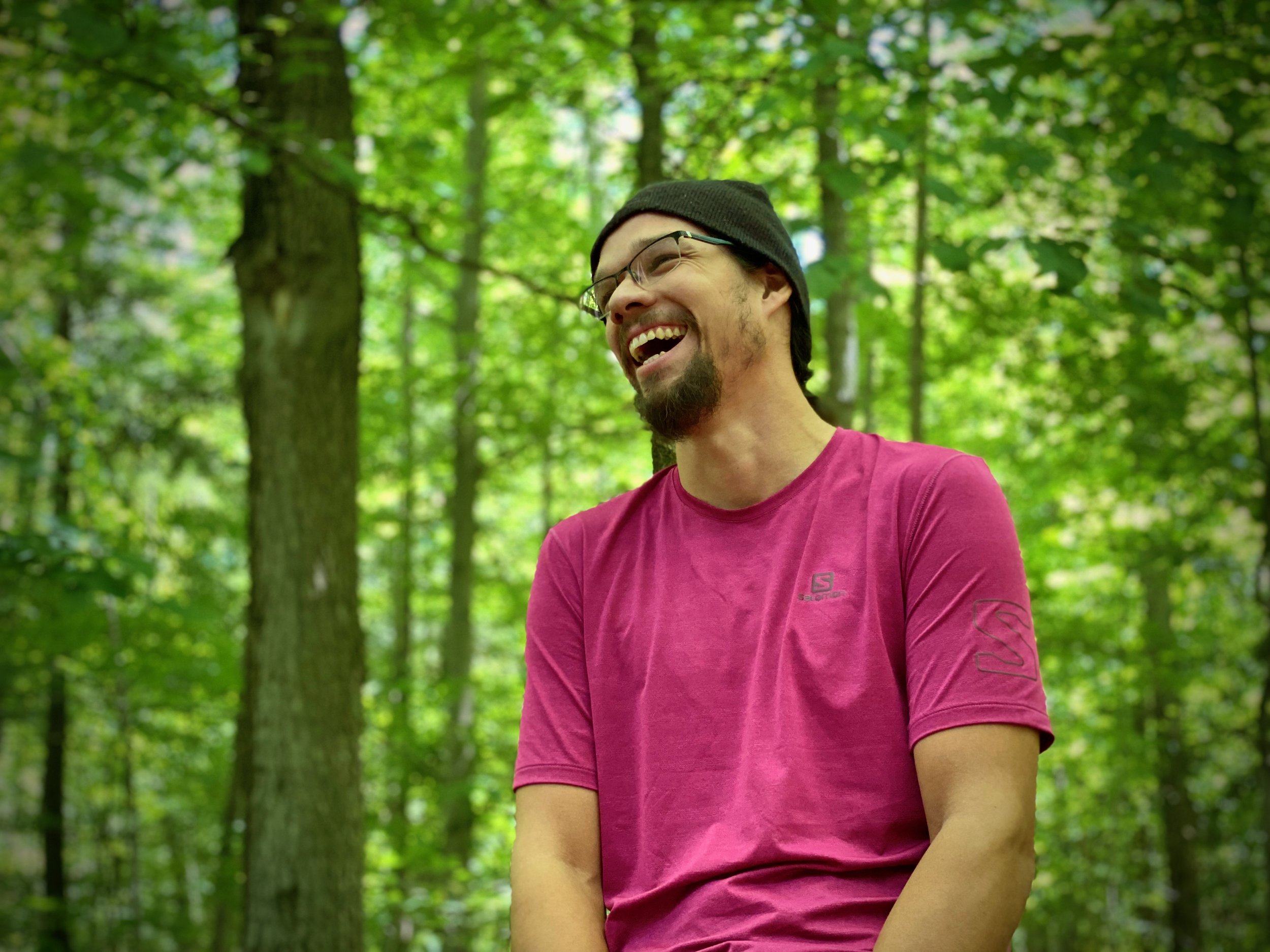 Joseph is Ojibway from Wiikwemkong. He is the Founder & Director of Creators Garden, an Indigenous outdoor, and now online, education-based business, focused on plant identification, beyond-sustainable harvesting, and teaching every one of their linguistic, historical, cultural, edible, ecological and medicinal significance through experiences. His lectures and intensive programming have been successfully delivered to a variety of organizations, including over 150 First Nations communities and institutions throughout Anishinaabe territory and beyond. He has learned from hundreds of traditional knowledge holders. Joseph’s work brings together Indigenous Knowledges and an array of western sciences.