We are Now Accepting Applications for 2026!
Below is a list of available projects for Peterborough and the surrounding area. If you are a student researcher and see a project that you are interested in or would like to learn more about, please complete a Student Application Form .
U-Links Centre for Community-Based Research
Also listed below are projects offered by the U-Links Centre for Community-Based Research, which partners students with projects in Haliburton County. For a more up-to-date list, please visit ulinks.ca/available-projects
Please note: Student travel between Peterborough and Haliburton County is provided.
#6703: Access to Comprehensive Geriatric Assessment: Exploring Wait Times, Barriers, and Service Gaps for Older Adults in the Peterborough Region
 Age Well Consulting is interested in exploring access to Comprehensive Geriatric Assessments (CGAs) for older adults in the Peterborough region, with a particular focus on wait times, barriers to access, and potential gaps in current service pathways. Comprehensive geriatric assessment can help identify the medical, cognitive, functional, psychological, and social factors affecting an older adult and can assist families and healthcare providers in determining appropriate treatment, care, and community supports. However, older adults and their families may experience challenges accessing specialized geriatric assessment in a timely manner. This project would examine what geriatric assessment services are currently available to older adults in the Peterborough region, how older adults are referred to and access these services, what is known about current wait times, and what factors may contribute to delays or barriers in accessing assessment. The research would also explore the potential impact of delayed assessment on older adults, caregivers and the broader health and community-care system. The goal is to develop a clearer understanding of the current geriatric assessment landscape and identify opportunities to improve timely access, coordination and continuity of care for older adults. Findings could help inform future service planning, community partnerships and further research aimed at improving access to geriatric care in the Peterborough region.
Sustainable Development Goal(s):
#6698: Collection of Wisdom
The student(s) involved in this project will produce a book that is a collection of stories, wisdom, and life lessons gathered through interviews with older adults living in Peterborough. By listening to their experiences, the project creates a bridge between generations and preserves the voices of those who have helped shape the community.
Sustainable Development Goal(s):
#6691: An Evaluation Framework for KSAC’s Male Allyship and OHL ONSIDE Programming
This project will work with Kawartha Sexual Assault Centre (KSAC) to develop an evaluation framework for its male allyship programming, including OHL ONSIDE. The goal is to create a practical evaluation framework that KSAC can use to better understand what is working, demonstrate the impact of its programs, and continue to improve its approach to engaging men and boys in preventing sexual violence.
Sustainable Development Goal(s):

#6683: Understanding Event Registration and Attendance: Strategies to Increase Follow-Through for Free Community Events

GreenUP is seeking a student researcher to investigate why people who register for free community events sometimes do not attend and do not formally cancel their registration. The project will examine factors that influence attendance and explore whether strategies such as nominal registration fees, deposits, reminders, waitlists, cancellation processes, and different registration platforms can improve follow-through. Particular interest is in understanding whether a small financial commitment changes behaviour and whether the effectiveness of this approach depends on the type of event, the audience, the registration platform, or other factors.
Sustainable Development Goal(s):
#6678: Connecting Talent with Opportunity: Understanding Employer Awareness, Motivations, and Barriers to Co-op Participation
Careerspace is exploring new ways to build strong, lasting partnerships with employers across the Peterborough and Durham regions. Through this research project, you'll help the Co-op Team understand how local organizations view Careerspace and co-operative education. Your contributions will help identify industries, organizations, and community leaders who are eager to mentor students and create meaningful co-op work experiences. The insights gathered will directly support the development of more exciting, accessible, and career-building opportunities for future Trent co-op students.
Sustainable Development Goal(s):
#6677: Rethinking Organic Waste: Future Organics Management Pathways for Selwyn Township
Selwyn Township has successfully promoted at-home organic waste diversion through initiatives such as the FoodCycler pilot program and the sale of backyard composters and digesters. With no municipal green bin collection service currently in place, this project will explore cost-effective opportunities to further reduce organic waste sent to landfill. The research will assess options such as expanding residential diversion programs, community composting, partnerships with local organizations and farms, and opportunities associated with Peterborough County's proposed organics collection depot.
Sustainable Development Goal(s):
#6676: Community Sustainability through Adversity

Build a multifaceted strategy to support the village of Fenelon Falls and stakeholders as they prepare for and navigate the impacts of the Lindsay Street bridge construction project that connects the South to the North side of town. This will be accomplished by gathering data, engaging local businesses and community stakeholders, identifying community assets and opportunities to utilize the assets, supporting the health and well-being of business owners, residents and seasonal cottagers, and maintaining a strong visitor and customer experience throughout construction. The project will also investigate traffic management opportunities, innovative communication strategies and marketing ideas. The goal is to proactively prepare for the impacts of the biggest infrastructure project facing the village of Fenelon Falls and ensure the economic vitality of the community before, during and after the project.
Sustainable Development Goal(s):
#6672: Mapping Ontario's Hidden Wastewater Infrastructure
Ontario is home to thousands of onsite sewage systems, yet there is no comprehensive inventory of this critical environmental infrastructure. This project offers an opportunity to explore how a province-wide database could be developed to map and better understand these systems, which play a vital role in protecting water quality and supporting rural, waterfront, and small community development. Students will investigate innovative approaches to data collection, stakeholder engagement, environmental governance, and digital infrastructure design while addressing a significant gap in Ontario's environmental knowledge. The results of this project will provide the blueprint for Phase 2, where the database will be developed and populated with real-world data to evaluate its feasibility as a province-wide tool. By contributing to the foundation of Ontario's first centralized inventory of onsite sewage systems, students will help advance evidence-based policy, environmental protection, and sustainable wastewater management across the province.
Sustainable Development Goal(s):
#6663: Canadian Employment Readiness Programs for Adults with Disabilities: An Environmental Scan of Models, Curricula, and Delivery Practices
This project will conduct a nationwide environmental scan of employment and vocational readiness programs for adults with disabilities across Canada. The research will map active programs, organizational providers, eligibility criteria, and delivery models across provinces and territories. Additionally, it will analyze the specific skill sets, core competencies, and training modules taught within these curricula. Results will assist the Abilities Centre in benchmarking, designing, and optimizing its own evidence-informed employment readiness offerings.
Sustainable Development Goal(s):
#6662: Community Independence and Life-Skills Programming for Youth and Adults with Disabilities in Canada: A National Environmental Scan
This project will undertake a nationwide environmental scan of non-vocational community independence and daily life-skills programs for youth and adults with disabilities in Canada. The study will map existing service models, target age groups, operational frameworks, and core independence pillars (e.g., self-advocacy, daily living skills, social integration). By identifying best practices and regional service gaps, the research will inform the enhancement of community independence frameworks at the Abilities Centre.
Sustainable Development Goal(s):
#6659: Market Research of Local Trucking Industry for Decarbonization
This project will explore the current market of the local trucking industry as it relates to carbon output. Best practices of what other jurisdictions are doing for decarbonization in this area will be explored. Identify barriers and opportunities for the trucking industry to inform recommendations and feasibility geared to local businesses that include vehicle technology (e.g., anti-idling, biofuels, engine types), infrastructure, and policies needed to foment change will be explored.
Sustainable Development Goal(s):
#6658: Corporate Low Emission Construction Policy
The City of Peterborough is looking to develop and implement policies regarding required and mandated low emissions for corporate construction project. This project will explore best practices, looking at what other cities and municipalities have done, focusing on linear construction projects such as road and sewer. Areas of exploration could include: material standards and embodied carbon, jobsite operations and fleet management, and performance and lifecycle goals.
Sustainable Development Goal(s):
#6657: Research into Non-Financial Incentives to Elicit Positive Climate Behaviour Changes in Residents
The City of Peterborough wants to be proactive in light of increasing threats and challenges due to climate change. In light of this, the City wants to explore initiatives and non-financial incentives that could be implemented to elicit positive climate behavioural changes in residents. This project will consider behavioural economics, environmental psychology and systems thinking to inform sustainable choices that could rise organically as opposed to being imposed.
Sustainable Development Goal(s):
#6656: A Snap Shot of the Kawarthas: Awareness, Personal Experience and Opportunities to Move Towards a Plant-based Food System

Part 1 of this project will conduct interviews to identify current perceptions and experiences regarding dietary habits among different age, gender, social-ecomonic groups within the Peterborough region. This information will help Plant Based Treat (PBT) better understand issues and concerns related to consumers in the area to be able to help address them and more effectively promote a plant-based diet for more people. Depending on capacity, part 2 will administer surveys to identify current practices to inform opportunities and barriers with area retailers and restaurants, local institutions ie. Trent U, Fleming College, Kawartha Pine Ridge District School Board, PHRC in regards to developing and furthering plant-based opportunities.
Sustainable Development Goal(s):
#6655: Incorporating Indigenous Language into City of Peterborough Signage
This multi-phase project will explore best practices and feasibility of incorporating local Indigenous languages into City of Peterborough signage. As an act of reconciliation, this project will honour the significance of language to the original peoples and look at realistic options of how their language could be incorporated in public spaces and wayfinding. The study will look at various elements of language as it relates to indigenous culture (visual, cultural, spiritual and linguistic/written elements) and consider how cultural sensitivity and accessibility issues can be addressed. A review of best practices and examples of other cities that have made this act of reconciliation (across Canada and internationally) will be included. Interviews and surveys will be conducted with Elders and language keepers.
Sustainable Development Goal(s):
#6654: Assessing the Reality of Indigenous Homelessness in Peterborough
This project will capture the under represented reality of the homeless situation in Peterborough as it relates specifically to the Indigenous population. A thorough review of local reports related to homelessness will be conducted to identify if Indigenous populations were represented. Review of past and current census data will be included, as well as interviews with community partner organizations that support the indigenous population. The study will include a review of best practices and housing models other cities offer and support. A Community Consultation will be conducted with housing workers and local partners to identify priorities and possible models for success.
Sustainable Development Goal(s):

#6653: Ecological Baseline Report for the Former Millbrook Correctional Centre Lands
Baxter Creek Watershed Alliance (BCWA) is seeking a student researcher or student team to develop a project terms of reference and complete a baseline ecological documentation report for the former Millbrook Correctional Centre lands under its five-year licence agreement with Infrastructure Ontario. Using the Ontario Land Trust Alliance Baseline Documentation Report Manual as a starting point, the project will document the property’s current ecological conditions, conservation values, and stewardship considerations in a format that can support future monitoring and planning. A central goal is to localize the framework to this site and community context, including respectful Indigenous engagement and the integration of Indigenous knowledge values where appropriate and with consent. The completed work will help BCWA strengthen stewardship planning, support community conservation objectives, and inform future protection and management decisions for this significant landscape.
Sustainable Development Goal(s):
#6652: Supporting the Canadian Index of Child and Youth Well-Being (UNICEF) in Kawartha Lakes
_Horizontal_e50huIa.png)
This project will support the implementation of the Canadian Index of Child and Youth Well-being survey across Kawartha Lakes in partnership with the Youth Engagement Community of Practice and BGC Kawarthas. The student will assist with coordinating survey distribution, engaging community partners to maximize participation, and supporting the collection and organization of survey data. Following data collection, the student will help summarize findings and identify key trends that can inform community planning and youth-serving organizations. The project aims to strengthen local understanding of child and youth well-being and support evidence-informed decision-making.
Sustainable Development Goal(s):
#6650: From "Entry" to "Intermediate": Helping Birds in the City of Kawartha Lakes
Bird Friendly certifications through Nature Canada are awarded at three levels: entry, intermediate, and high. Bird Friendly City status is based on the percentage of points earned across three main criteria: threat reduction, habitat protection, restoration and climate resiliency, and community outreach/education. Bird Friendly status must be renewed every three years, allowing cities to track their progress towards building a safer community for birds and strengthening biodiversity and conservation efforts. Previously, Bird Friendly Kawartha Lakes (BFKL) was certified as an “entry”-level Bird Friendly City. This project will support BFKL in achieving “intermediate” Bird Friendly City status by researching and developing habitat protection opportunities for the City of Kawartha Lakes.
Sustainable Development Goal(s):
#6649: How does Native Plant Diversity in Municipal Parks Influence Bird Abundance
Native plants provide habitat and food for local bird populations. The goal of this project is to assess how native plant connectivity in municipally owned parks in the City of Kawartha Lakes influences bird species richness and abundance. This research will identify key areas for native plant restoration to improve habitat connectivity and strengthen climate resiliency.
Sustainable Development Goal(s):
#6645: Maximum Heat Regulation in Canada
 Extreme heat is impacting more and more of Canada’s population as global temperatures rise. The 2021 heat dome in B.C. that was responsible for the deaths of 691 people was a major catalyst for governments to protect people, particularly those vulnerable because of age, health, inadequate housing, isolation, and economic circumstances. One strategy explored by municipalities in B.C. and Ontario is placing maximum indoor temperature restrictions on multi-resident buildings. To date, this strategy has only been implemented in one municipality, New Westminster, BC. This project would take a news journalist approach:, speaking with groups advocating for a maximum temperature bylaw on the challenges and successes they are experiencing, and with municipally-elected leaders about the likelihood such bylaws would become commonplace. Students will look at the rollout in New Westminster, reviewing implementation and enforcement of the bylaw, and highlighting challenges and successes for other municipalities.
Sustainable Development Goal(s):
#6637: Elmhirst’s Resort Heritage Project: A Living Legacy of Family, Guests, and Place

This project will support Elmhirst's Resort in documenting the living legacy of the resort's family, business, visitor, and community history through interviews with founding family members. A Trent student researcher will review historical documentation in support of identifying major themes in the archive, and prepare a set of semi-structured interview questions for key Elmhirst family members, owners, visitors, and staff. The project will help preserve institutional memory through oral history or storytelling phase focused on the evolution of Elmhirst's Resort and its role in the Kawarthas tourism and hospitality landscape.
Sustainable Development Goal(s):
#6636: Pathways to Possibility
This project will contribute local community knowledge and data to national research aimed at identifying solutions and alternative educational pathways so that Black and Indigenous adult learners have access to pathways that reflect their lives, their communities and their potential, supported by Durham Community Foundation and guided by Community Foundations of Canada and the University of Winnipeg.
Sustainable Development Goal(s):
#6633: Environmental Personhood
This project will provide a history of the concept of the legal rights of "personhood" being granted to non-human features. The concept started in 800 B.C. with corporations being granted legal "rights" reserved for people. Then in 1970, the concept of trees having personhood rights was discussed. Over the years personhood was granted to ecological features around the world including Canada. This research project aims to address, where, when (formation methodologies), the benefits, issues, and any legal challenges that may have taken place.
Sustainable Development Goal(s):
#6632: A Framework for Excellence in Community Aquatics

BGC Durham operates a comprehensive aquatics program that includes swimming lessons, leadership development, lifeguard and instructor training, adapted aquatics, recreational swimming, camps, and community-based water safety initiatives. Through this project, BGC Durham seeks to identify the characteristics, practices, systems, and outcomes that define excellence in community aquatics. Rather than simply comparing programs, this research will explore what it means to create a truly outstanding aquatic experience for participants, families, staff, volunteers, and the broader community. The findings will be used to develop a Community Aquatics Excellence Framework and a long-term strategic roadmap designed to position BGC Durham as a recognized leader in community aquatics.
Sustainable Development Goal(s):
#6628: History of the Land’Escapes Property – First Peoples Presence through its Extensive Logging History

The Land’Escapes property spans over 26,300 acres. The current stewards of this land are looking to gather a historical overview of the property. What was this land like pre-colonization? How was it used by the First Peoples? What has been the evolution and history of the property since then? This area has been logged extensively over the last 100+ years. Looking at local archives, land registries, and speaking with historians, this project will explore its convoluted and complicated history. This information will then be used for educational purposes within the park.
Sustainable Development Goal(s):
#6627: Building Sustainable Support: A Fundraising and Donor Engagement Strategy for the Amputee Coalition of Canada
This project will support the Amputee Coalition of Canada in strengthening its financial sustainability by developing a practical and achievable fundraising and donor engagement strategy. Through research and environmental scanning, the student will identify effective approaches used by similar organizations and tailor these to ACC’s unique national, volunteer-driven context. The student will contribute to key outputs including a case for support, donor engagement plan, and frameworks for fundraising initiatives such as events and peer-to-peer campaigns. The work will emphasize sustainable, scalable approaches that reflect ACC’s values of equity, inclusion, and community engagement. Overall, the project will provide ACC with foundational tools and recommendations to build long-term financial stability and support its mission.
Sustainable Development Goal(s):
#6626: Building a National Peer Support Network: Strengthening Regional Infrastructure for the Amputee Coalition of Canada
This project will support the Amputee Coalition of Canada in strengthening and formalizing its regional peer support infrastructure across Canada. Building on existing survey data, the student will map current regional networks, identify gaps, and help define a standardized Regional Coordinator role. The student will also contribute to the development of recruitment and training approaches, as well as practical tools to support consistent regional operations and reporting. The work will focus on creating sustainable, scalable structures that align with ACC’s values of equity, inclusion, and good governance. Overall, the project will provide a foundation for a more coordinated and accessible national peer support system.
Sustainable Development Goal(s):
#6623: Evaluating the Impact of Ayalik Expeditions on Youth Confidence, Skills, and Aspirations

The project involves creating a pre- and post-program self-assessment tool to measure the personal growth of Inuit youth participating in Ayalik Expeditions, an initiative that provides confidence-building outdoor adventure experiences. The assessment would ask the same set of questions before and after the program, establishing a baseline and capturing changes in areas such as skills, interests, motivation, confidence, habits, attitudes toward substance use, physical activity, schooling expectations, and personal goals. This tool is intended to reflect the unique challenges and developmental needs of Inuit youth from Nunavut aged 14–17, aligning with the Ayalik Fund’s purpose of fostering self-esteem and resilience through land-based and experiential learning. Program staff may also provide sample tools from other youth-serving organizations for inspiration, while still encouraging creativity and student-led design.
Sustainable Development Goal(s):
#6622: Taking the Pulse - Durham Vital Signs Update

This project will examine and compare the latest Statistics Canada data with findings from the Durham Community Foundation’s 2024 and 2023 Vital Signs reports. The project will explore how key indicators have changed. Through surveys and interviews, the project will also gather feedback from stakeholders and the community. The goal is to create an updated report of Durham Region that can help guide community planning and action.
Sustainable Development Goal(s):

#6603: Understanding Child Care in Rural Communities
This project will examine the current childcare landscape in the City of Kawartha Lakes and County of Haliburton through an environmental scan and literature review focused on rural communities. The research will identify and compare different forms of childcare, including licensed centre-based care, licensed home childcare, informal care arrangements, school-based programs, and flexible or non-traditional models used in comparable municipalities.
Sustainable Development Goal(s):
#6602: Strengthening Home Child Care in Kawartha Lakes and Haliburton
This project explores unlicensed home childcare in the City of Kawartha Lakes and County of Haliburton to better understand the barriers that prevent private home providers from joining a licensed home child care agency. The study will examine structural, regulatory, financial, and geographic challenges that may influence licensing decisions in the rural context. It will also explore how unlicensed providers support families in the community and what role they play within the broader childcare system. The goal is to identify opportunities to better support home childcare providers and inform guidelines that could make licensing more accessible, inclusive, and sustainable in rural communities.
Sustainable Development Goal(s):
#6601: Evaluating community perspectives on the Link Bus program
This project will evaluate how residents and local businesses use the Link Bus program and assess its overall impact on the community. Through surveys, the researcher will explore user experiences, perceived benefits, and remaining barriers to transit access. The study aims to identify opportunities for service improvement and ways the Township can enhance the program’s effectiveness. The final report will provide evidence-based recommendations to support the Link Bus’s continued growth and long-term success.
Sustainable Development Goal(s):
#6600: Shared Power, Stronger Teams: A Study of Distributed Volunteer Leadership

To combat volunteer burnout, this project will evaluate the impact of shared leadership frameworks on member retention and satisfaction. The ultimate goal is to translate these alternative models into actionable toolkits and strategies, ensuring that leadership is sustainably distributed and members remain empowered to contribute without being overwhelmed—or leave the club.
Female/Female identifying student applicants are preferred.
Sustainable Development Goal(s):
#6599: Building Collaborative Futures: Strategies for Intergenerational Engagement in Women’s Organizations to Support Girls and Women
This project will identify how women’s advocacy groups—including many long standing national groups-- can successfully attract and retain a broader age demographic of volunteers. The project will begin by developing a comprehensive annotated bibliography, synthesizing current literature on cross-generational volunteerism, shared leadership models, and sustainable engagement. Building on this foundational research, the project will outline actionable success strategies and practical frameworks designed to bridge generational divides and foster collaborative environments. Ultimately, these evidence-based recommendations will equip organizations championing gender equity, education, and safety with the tools needed to sustain their vital work and empower a new era of advocates.
Female/Female identifying student applicants are preferred.
Sustainable Development Goal(s):
#6598: Redefining the Good Employer in Today’s Workplace
This project will explore what defines a “good employer” in today’s evolving workplace culture, with a focus on leadership practices that support employee wellbeing, flexibility, and performance. Using Canadian Mental Health Association Kawartha, Pine Ridge as a potential case study, the project will examine emerging workplace practices, including the shift from traditional time-based work models to outcome-based approaches. The findings aim to support local employers in developing workplace cultures that improve employee satisfaction, retention, and overall organizational effectiveness.
Sustainable Development Goal(s):
#6563: Evaluating Physician Recruitment Incentives and Care Models Across Canada
Peterborough County is exploring physician recruitment strategies and incentive programs to address ongoing physician shortages and improve access to primary care across the region. This project will examine physician recruitment and retention models used by comparable rural and regional municipalities across Ontario and Canada, including the staffing resources, incentive packages, and practice models that support successful recruitment outcomes. The project will evaluate the return on investment (ROI) of different approaches, including Community Health Centres, Family Health Organizations, and Fee-for-Service models, to better understand which systems are most effective in attracting and retaining physicians. Findings from the research may support the development of an evidence-based, financially responsible physician recruitment strategy for Peterborough County.
Sustainable Development Goal(s):
#6525: Assessing the Need for Integrated Equine Health and Environmental Monitoring Solutions

This project aims to engage horse owners, barn managers, and equine professionals to better understand the consequences of limited access to diagnostic testing within the equine industry. Through interviews, surveys, and stakeholder consultations, it will identify the key health, environmental, and management concerns that could be addressed using Metaboly’s non-invasive, and field-deployable services/solutions. The project will also explore which issues stakeholders prioritize most in their daily operations and decision-making. Finally, it will test and refine messaging that resonates with stakeholders to ensure Metaboly’s services are communicated in a clear, compelling, and value-driven way.
Apply by June 5th, 2026. Applicants with equine experience preferred.
Sustainable Development Goal(s):
#6521: A Community Science Fair on the Future of Basic Income
This project will support the development of a Basic Income Science Fair hosted by the Basic Income Peterborough Network (BIPN) in February 2027. Students will review existing research on Basic Income and work with community partners, students will design interactive science-fair activities that help participants explore how Basic Income could impact individuals, families, and communities. Each student working on this project will select a specific theme to investigate, such as, basic income & farmers; basic income & food insecurity; basic income experiments through time & geography; savings from implementing a basic income, etc. The research will culminate in a public science fair where participants present their projects and community judges recognize creativity and insight. The goal is to make research on Basic Income accessible while encouraging informed community dialogue about economic security.
Sustainable Development Goal(s):
#6496: Life Under the Red Roof: Memories of Otonabee College
This research project gathers and preserves personal stories from alumni of Otonabee College at Trent University, focusing on their lived experiences as students and community members in OC. It explores how the college’s traditions, reslife, academic life, and sense of belonging shaped their time at Trent. By curating narratives across different eras, the project aims to highlight shared themes of change, community, and identity. Ultimately, it will create an engaging archive that celebrates Otonabee College’s unique culture and its lasting impact on those who called it home.
Sustainable Development Goal(s):
#6485: Understanding Tenant Support Needs in Social Housing
Thrive Housing and Support is proposing a project to understand the complexity of tenant needs and support requirements within social housing settings. The project will examine the types of tenant support needs that are increasing in social housing and the risks that emerge when supports are limited, including impacts on safety, housing stability, and well-being. Through engagement with tenants and individuals with lived experience, the project will identify the supports they consider most critical for maintaining safety, stability, and overall well-being in social housing. Building on these findings, the project will develop evidence-informed recommendations regarding the type and scope of supports needed at social housing sites, as well as feasible implementation options that consider operational capacity, partnerships, and funding realities. Findings will be used to inform service planning, guide funding proposals, and support advocacy.
Sustainable Development Goal(s):
#6484: Identifying Housing and Support Improvements for Seniors at Sunset Court
Thrive Housing and Support is proposing an evaluation project focused on understanding the needs of seniors applying to and living at Sunset Court. The project will examine the demographics, household situations, and support needs of applicants on the Sunset Court seniors’ housing waitlist, as well as emerging needs at the site following amalgamation, including health, mobility, social inclusion, and care coordination. In addition, the project will identify service improvements and on-site supports that would improve outcomes for both current tenants and applicants. Findings will be used to inform service planning, guide funding proposals, and support advocacy.
Sustainable Development Goal(s):
#6480: Investigating the Impact of Interdisciplinary Studies: Examining IDC4U, Global Studies at Pickering College
The Pickering College Global Leadership Program (GLP) is an experiential, community-engaged program that challenges students to understand complex global issues and take informed, ethical action. In Grade 12, students complete a Capstone Project that integrates interdisciplinary research with a real community partnership to design, implement, and reflect on meaningful action. This research project will evaluate the impact of the IDC4U Global Studies course on student learning and on the quality and depth of GLP Capstone Projects. The study will examine how interdisciplinary studies influence students, teachers, parents, and community partners, with attention to learning outcomes, collaboration, and real-world impact. We are seeking graduate students with interests in interdisciplinary studies, program evaluation, and participatory evaluation structures to collaborate on this work.
Sustainable Development Goal(s):
#6474: Finding the tools to improve collaboration between Camp Kawartha and Trent University
Examine ways other organizations share information between partners, to allow for effective collaboration. Based on the findings, make recommendations on how Camp Kawartha and Trent’s stewardship team can implement these tools, with a focus on sharing stewardship work (invasive species control, restoration activities, trail maintenance, observed issues) and species observations. A primary objective is to allow this communication to occur without adding extra work to staff and have limited budget implications.
Sustainable Development Goal(s):
#6472: History and Impact of Edwin Binney’s Community Farm
This project will compile a comprehensive history and impact summary of Edwin Binney’s Community Farm and Education Centre, an urban food-security initiative established by the United Way in 2019. Students will gather information from past reports, media, internal documents, and interviews with staff and stakeholders to create a single, accessible record of the farm’s development. The project aims to clarify the farm’s origins, goals, programming, and outcomes to date. By producing a well-organized, central document, the project will support the United Way’s planning, reporting, and future grant applications.
Sustainable Development Goal(s):
#6471: Impact of Levy Groups in the Peterborough Community

The goal of this project is to collect data on what levy groups (fees charged to Trent students) provide to the community (on and off campus). Some areas of interest include: number of student and/or non-student jobs, placement opportunities, bursaries/financial assistance programs, and access to affordable food/clothing/mental health supports. Focus on quantitative data so it can later be used as part of an awareness campaign.
Sustainable Development Goal(s):
#6459: Developing an Asset Management Plan for the City of Peterborough’s Wetlands and Waterways
This project will lay the foundation for the City of Peterborough’s wetland and waterways valuations, identifying municipal leaders across Canada and best practices for the valuation of wetlands and waterways. Building on a previous community-based research project which identified current municipal leaders in natural asset management planning, and best practices as they apply to wetlands and waterways, the student(s) undertaking this project will interview municipal staff to further explore strategies and considerations for the development of Natural Asset Management Plans for Wetlands and Waterways. They will then use the gathered information to make recommendations for a Plan for the City of Peterborough.
Sustainable Development Goal(s):
#6455: Talking Trash: Best Practices in Municipal Waste Diversion Across Ontario
Through the completion of a waste audit, Selwyn Township has identified several categories of waste that are not currently being diverted from our landfill. This includes items like bulky plastics, textiles, carpet, and some construction and demolition waste. The Township is looking for assistance in investigating best practices and opportunities that exist for municipalities to divert and recycle these materials. This project would include interviewing other municipalities and industry stakeholders to learn more about existing diversion programs that may be beneficial to Selwyn Township.
Sustainable Development Goal(s):
#6447: A Longitudinal Analysis of Youth Participants at Dalhousie Youth Support Services
This project offers an opportunity to explore how the needs and characteristics of youth involved with Dalhousie Youth Support Services (DYSS) have evolved over the past 20 years. Using existing program data, the student researcher will analyze trends in participant demographics and offence types to better understand shifts in who is accessing services and why. The findings will help DYSS adapt its programming to meet the changing needs of youth in the community. This project is ideal for students interested in data analysis, youth justice, or community-based program evaluation.
Sustainable Development Goal(s):
#6444: Sustainable Winter Management: Reducing Winter Road Salt Use

Students will be asked to take a practical research approach to best winter management practices winter contractors are using, looking at the challenges corporations face with winter maintenance and the overuse of road salt, using real-world examples of snow and ice contractors and the best practices they are implementing (whether training or otherwise), including details of the private organizations they are working with. Taking policy tools and case studies into consideration, students will also explore what contractual language is being used by organizations to ensure road salt is kept to a minimum while ensuring public safety, what policy tools are being used around the world, and develop case studies showcasing organizations who are putting these best practices into action. Students will be asked to write a report and present a summary of their findings.
Sustainable Development Goal(s):
#6422: Fostering Collaborations between Indigenous and Newcomer Communities for Reconciliation in Nogojiwanong

The New Canadians Centre continues to reflect on the intersections between our commitments to Truth and Reconciliation and our role in helping newcomers settle on lands stewarded by Indigenous Peoples. Despite the increase in information about Indigenous peoples in Canada, we realize that some newcomers face additional barriers to learning about Canada's colonial history and the injustices that Indigenous peoples continue to face today. To address those gaps, we aim to foster relationships and collaborations between Indigenous peoples and newcomer communities to develop year-round educational programming that allows them to connect, learn from, and support each other. Students will inform this project by writing a report and conducting a presentation, drawing from local archives, primary sources, academic articles, and grey literature. We also hope that they can conduct and analyze interviews with staff, newcomers, and Indigenous peoples that are already involved in similar initiatives.
Sustainable Development Goal(s):

#6421: Connecting Communities: Addressing Transit Gaps in Peterborough County
This project aims to explore how limited transit infrastructure impacts residents’ ability to access employment, healthcare, social services, and community life in the townships of Peterborough County. Reliable transportation is critical not only for securing and maintaining employment, but also for ensuring access to health care, cultural activities, and social connection, all of which support individual and community well-being. By centering the voices of those most affected by these barriers, the findings of the project will inform policies and planning for more inclusive and equitable transit solutions. Ultimately, the project aims to foster a more connected, resilient, and thriving community.
Sustainable Development Goal(s):

#6406: An oral history of Peterborough Paramedics and those that came before
Peterborough has had a paramedic or ambulance service for many years; however, no one has ever chronicled the history of that service. However, we do have a dedicated group of retirees and many long service employees who were there for that history and love to tell stories. The goal of this project would be to meet with these retirees and long service members, collect their stories and catalog them into a history of Peterborough County City Paramedic (PCCP) and the ambulance services that existed before the County took over ambulance's services in 2001.
Sustainable Development Goal(s):
#6355: Understanding the Neuroscience and Biology Behind Neural Network Therapy® (NNT) as a Therapeutic Modality for Anxiety
 Our project aims to determine the connection between neurobiology impacted by Neural Network Therapy (NNT) and sustained improvements in mental health and well-being. The science of practical exercises, compared to traditional talk therapy, increases the longevity of emotional health, and we believe this paired novel NNT application embraces scientific advancements. We are seeking an undergraduate student to conduct research investigating the impact of NNT on rewiring an anxious brain.
Sustainable Development Goal(s):
#6354: Understanding the Neuroscience and Biology Behind Neural Network Therapy® (NNT) as a Therapeutic Modality
Our project aims to determine the connection between neurobiology impacted by Neural Network Therapy (NNT) and sustained improvements in mental health and well-being. The science of practical exercises compared to traditional talk therapy, increases the longevity of emotional health, and we believe this paired, novel, NNT application embraces scientific advancements while allowing clients to spend less time in NNT compared to traditional therapy. We are seeking an undergraduate student in psychology/social work/forensics or other applicable fields of study to research the effectiveness of NNT and why it outpaces traditional psychotherapy.
Sustainable Development Goal(s):
#6353: Exploring the Neuroscience and Biological Mechanisms Underpinning Neural Network Therapy® (NNT) in Addressing the Mechanisms of Trauma
Our project aims to determine the connection between neurobiology impacted by Neural Network Therapy (NNT) and sustained improvements in mental health and well-being. The science of practical exercises compared to traditional talk therapy, increases the longevity of emotional health, and we believe that this paired, novel, NNT application embraces scientific advancements. We are seeking a biomedical science undergraduate student to research the effectiveness of NNT in addressing trauma, and promoting mental well-being.
Sustainable Development Goal(s):
#6267: Forests Canada - Ontario’s Heritage Tree Program’s Future

Forests Canada is looking for a new ‘host’ for its 14 year Ontario Heritage Tree Program: https://forestscanada.ca/en/program/heritage-tree .
The Ontario Heritage Tree Program has recently been assessed and found to be an important community tree recognition and preservation program in the province. This project aims to identify a qualified, not-for-profit organization capable of hosting the program. A strategic business plan for the Ontario Heritage Tree Program must be created and utilized to find this new host. The plan should incorporate program goals, administrative processes, outreach needs, and long-term financial planning. This plan will be used to connect and engage with new host candidates. Their feedback will be recorded, compared, and assessed with a focus on the needs of the new program host.
Sustainable Development Goal(s):

U-Links Centre for Community-Based Research Projects :
Benthic Macroinvertebrate Biomonitoring Projects
(Multiple Projects Available - Visit U-Links website for full list)
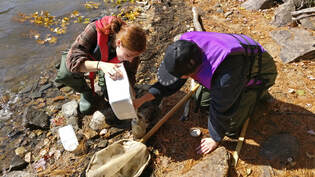
Benthic macro-invertebrates (or “benthics” or “benthos”) are aquatic, spineless organisms that live on the bottom of water bodies. Since the late 1980’s they have been used as biological indicators for common aquatic pollutants as they spend part or the entirety of their lives in the water. The use of benthics as an indicator of water quality is now used throughout the world and has been widely used in Ontario since the early 2000’s. These community-based research projects are ideal for an undergraduate student as a full-term project and will include field work early in the fall. These projects can also be completed in the winter semester, which includes a lab component but no field work. Students are recommended to have OBBN certification or other previous field work experience. These projects are designed to be full year projects, starting in September and ending in April. Projects available for the 2025/2026 academic year include:
- #5039 – Redstone Lake Benthic Assessment - Year 4
- #6061 Upper Stoney Lake Benthic Assessment - Year 4
- #6066 Twelve Mile and Little Boshkung Lakes Benthic Assessment - Year 4
- #6256 Koshlong Lake Benthic Assessment - Year 3
- #6387 Kabakwa Lake Benthic Assessment - Year 5
- #6388 Bob Lake Benthic Assessment - Year 5
- #6389 Grace Lake Benthic Assessment - Year 5
- #6390 Drag and Spruce Lakes Benthic Assessment - Year 1
- #6391 Paudash Lake Benthic Assessment - Year 1
Sustainable Development Goal(s):
Multiple Benthic Assessments Available in Haliburton County
Aquatic ecosystems contain a variety of organisms that can provide valuable insight into the long-term health of our lakes and watersheds. Through the Woodlands and Waterways EcoWatch (WWEW) program, U-Links partners with Lake Associations across Haliburton County to collect benthic macroinvertebrate data using standardized biomonitoring protocols. These small organisms living within lake sediments act as biological indicators, helping researchers understand changes in water quality, habitat conditions, and ecosystem health over time. Student researchers will support field sampling, data analysis, and reporting to provide Lake Associations with meaningful information that contributes to local monitoring efforts and evidence-based lake stewardship.
Sustainable Development Goal(s):
#5029: Delineating the Velocity of Climate Change in the Haliburton Highlands for the Haliburton Highlands Land Trust
The Haliburton Highlands Land Trust mandates to “conserve plants, wildlife and clean water of Haliburton County to ensure a legacy of forests, fields and wetlands, and the species they nurture.” The HHLT is acquiring ecological and culturally significant lands for conservation purposes. To manage these landscapes, a science-based approach is required in perpetuity. Analytical landscape evaluation processes and tools are key to HHLT decision-making for new acquisitions, land management, monitoring, and stewardship endeavours. This project will critically review one available method for estimating the velocity of climate change in the Haliburton Highlands region. This project also seeks recommendations on how HHLT can apply this specific methodology across landscapes, to ultimately work towards its mandate. This is a single-semester project.
Sustainable Development Goal(s):
#5070: Baseline Inventory Report for the Dahl Forest

Habitat loss and degradation are the greatest threats to biodiversity in Canada today. To mitigate this process in the Haliburton Highlands, the HHLT acquires lands of ecological and cultural significance for conservation purposes. Current properties include: The Dahl Forest – 500 Acres, The Barnum Creek Nature Reserve – 500 Acres and associated Conservation Easement Property – 100 Acres, Norah’s Island – 22 Acres, The Smith Forest – 72 Acres, The Fred and Pearl Barry Wetland Reserve – 100 Acres. The HHLT is responsible for the long term management and conservation of ecological gifts and their ecologically sensitive features. To this end the HHLT is required to, and is responsible for, preparing management plans, setting up stewardship programs and initiating and maintaining monitoring programs for each of its properties. The HHLT’s goal is to establish Permanent Sample Plots (PSP’s) in representative Ecosites on each of the 5 properties. To date, 3 PSPs have been established in the Smith Forest, and 19 PSPs in the Dahl Forest. The project objective is to incorporate data from the previously established PSPs in the Dahl Forest to create a Baseline Inventory Report of the forest. Having a baseline will make room for additional data collection such as vegetation and soil data for each of the PSPs.
Sustainable Development Goal(s):
#5081: Serenity Wetland Assessment
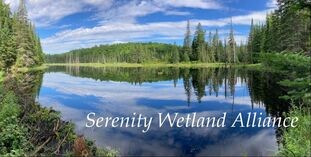
Many of the wetlands in Haliburton County remain unclassified, with their provincial significance unknown. The Serenity Wetland Alliance (SWA), is a volunteer group dedicated to the protection of the Serenity Wetland in Highlands East, ON. The purpose of this project is to gather relevant data and complete an inventory of species present through research and fieldwork, to initiate an Environmental Impact Assessment. The results of this project will promote the awareness of wetlands and their importance, and support other groups and organizations who are considering seeking protections for wetlands in their communities. This project is designed to be conducted in the spring and summer semesters, from May-August.
Sustainable Development Goal(s):
#5094: Underground Greenhouse Feasibility Study for Haliburton County
NOTE: This project can be completed remotely.
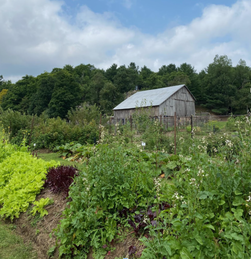
The purpose of this project is to research the feasibility of building an underground greenhouse/walipini for growing food in Haliburton County 12 months a year. The project aims to answer how sustainable features such as fishpond irrigation, geothermal and ceramic wood heat can be integrated into the design, and what innovative, local, or green engineering and construction features can be used? This project would aid in sustainability and self sufficiency for growing food in Haliburton County and provide an ongoing educational component to the area. This project is designed to span one full school term, from September to April.
Sustainable Development Goal(s):

#6059: Seed Bank Feasibility Study of Norah’s Island
NOTE: This project involves a field component.
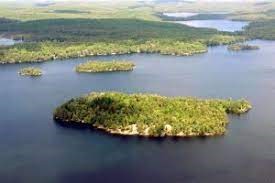
Norah’s Island is a 22-acre pristine island on Kennisis Lake. The seclusion, and limited access to visitors, makes the island an area where old growth trees have not been ravaged by current diseases or disturbed by humans. The purpose of this study is to preserve the local flora for generations to come by completing a seed bank study for Norah’s Island. Students will visit the island to begin collecting seeds and analysing inventory for current plant and tree species. This project is designed to span one school year from April to September.
Sustainable Development Goal(s):
#6115: Apple Preparation, Processing, Preservation Practices of the Past
Before refrigeration and modern food systems, communities relied on creative approaches to preserve and use seasonal harvests throughout the year. This project will explore historical apple preparation, processing, and preservation practices in Haliburton County and beyond. Student researchers will investigate traditional methods, historical knowledge, and opportunities to reconnect these practices with modern food sustainability, waste reduction, and local food initiatives.
Sustainable Development Goal(s):
#6129: Ecologically Aware Gardening Project
NOTE: This project involves a field component .

Founded in 2020 at Haliburton Village's historic Lucas House, the Corner Gallery showcases works by Ontario artists, with a focus on abstraction and modern Canadian landscapes. The Corner Gallery provides a space for works demonstrating traditional methods and skills that help us to see the world around us in innovative and provocative ways. The Corner Gallery is hosting this project regarding the creation of ecologically aware gardens, to determine the benefits of these types of gardens over traditional lawns.
The purpose of this project is to identify ecological impacts of converting traditional lawns/gardens to an ecologically aware garden that features exclusively native plants. The project will compare and contrast these two garden types on variables like macro-invertebrate and soil microbial diversity, plant-pollinator dynamics and hydro-logical processes. The results of this project will be used to benefit the organization by providing information that can lead to furthering environmental awareness, cost savings, community engagement and enhanced biodiversity, and will be used to benefit Haliburton County by identifying the benefits of ecologically aware gardens. Results of this project will be used to inform the general public about the benefits and identified frameworks for establishing an ecologically aware garden in replacement of traditional lawn management practices.
Sustainable Development Goal(s):
#6162: Community Kitchen's Project
The ATIP Haliburton organization was formed to collect information on Haliburton County apple orchards, including old and new varieties and locations. The purpose of this study is the identify organizational, coordination, education, and promotion strategies and structures to increase interest in, and feasibility of, using existing commercial kitchens for procession and preservation of local apple harvests.The student will also identify and list the commercial kitchens that are present in Haliburton County, and canvas those locations as well as apple tree growers to determine interest in this type of social event. Students will also determine which types of products would be most suitable for local apple growers to create through this event, such as pies, pastries and other apple-based products, as well as determining what business's in the county may be interested in selling these locally produced apple products. This project can be completed remotely, and is designed to span a full school term (2 semesters), and is most suitable for a single undergraduate student.
Sustainable Development Goal(s):
#6252: Carbon Stock Assessment Strategy for the Haliburton Highlands Land Trust
NOTE: This project has a field component .
The Land Trust seeks to implement conservation management practices that build climate change resilience, protect lands and waters and maintains biodiversity. One area of conservation management that is becoming more prevalent is carbon assessment of lands, and particularly those lands that require nature-based conservation solutions for protection. Ontario Nature lists the following benefits of assessing carbon stocks: improving land management, increasing protection, achieving sustainable forestry certification, enhancing public education, informing future research priorities, and potentially attracting financial support for conservation. With this project, the HHLT wishes to explore methods for assessing carbon sequestration in the Haliburton Highlands such as the Highlands Corridor and the Land Trust’s properties and to make strides towards deciding on a strategy for estimating carbon sequestration and completing a preliminary carbon assessment.
Sustainable Development Goal(s):
#6253: Biomonitoring of Fred and Pearl Barry Wetland Reserve
Wetlands provide essential ecosystem services, including improving water quality, supporting biodiversity, and storing carbon. This project will investigate the ecological health of the Fred and Pearl Barry Wetland Reserve through the study of benthic macroinvertebrates — small aquatic organisms widely used as indicators of environmental conditions. Students will collect and analyze benthic samples following Ontario Benthos Biomonitoring Network (OBBN) protocols to assess species diversity and establish baseline data. Results will support long-term monitoring efforts and provide insight into the health and function of this important wetland ecosystem.
Sustainable Development Goal(s):
#6318: It's All About the Lakes - Benchmarking Haliburton Lake Associations

NOTE: This project can be completed remotely .
Haliburton County is home to over 600 lakes and 50 Lake and Cottage Associations, which play a vital role in the economic, cultural, environmental, and social fabric of the region. These associations, operated exclusively by volunteers, serve over 15,000 waterfront property owners but often lack the resources to evaluate their effectiveness or compare their programs with best practices from other associations. This project offers a unique opportunity to collect and analyze data through surveys and interviews with Lake Associations to establish benchmarks for planning, programming, service delivery and engagement. Topics may include membership fees, governance models, road maintenance costs, services provided and funding challenges faced by smaller associations. The results will be compiled into a report with actionable insights, supporting Lake Associations in their efforts to enhance their operations and better serve their communities.
Sustainable Development Goal(s):

#6335: Evaluating Alternatives to Traditional Fireworks for Lake Associations in Haliburton County

As Lake Associations in Haliburton County face rising costs, stricter bylaws, complex insurance requirements, and growing concerns about environmental impacts and wildfire works, the need for sustainable and community-friendly alternatives to traditional fireworks has become increasingly pressing. This project will explore innovative options such as drone shows, laser displays, and other light-based alternatives, evaluating their feasibility, cost-effectiveness, and acceptance within the community. The study will also include a detailed financial analysis, examination of regulatory compliance, and an assessment of implementation challenges, offering Lake Associations practical insights into transitioning to modern, environmentally responsible celebrations.
Sustainable Development Goal(s):
#6350: Community and Stakeholder Engagement for the Haliburton Highlands Arts Centre Foundation

NOTE: This project has in-person components including surveying/interviewing .
The purpose of this project is to engage with community members and partners to understand their priorities and gather their insights on expectations around building a new arts centre for the Haliburton Highlands. Results from this project will help develop a community engagement plan, and ensure that future plans and activities are community-centred. Having community members feel heard and valuable will strengthen the feasibility, quality and sustainability of future work.
Sustainable Development Goal(s):

#6352: Gravel to Gardens: Uncovering the Ecological and Industrial History of Abbey Gardens
NOTE: This project has a field component .
This project will explore the historical and ecological transformation of Abbey Gardens, tracing its journey from a natural habitat to an industrial gravel pit and its remarkable rehabilitation into a thriving community space. Through research into land use history, industrial impacts, and features like rock walls and log chutes, the findings will reveal the property's rich narrative. These insights will inform Abbey Gardens' educational programming, interpretive materials, and community management efforts, while also highlighting a model for sustainable land rehabilitation. By preserving this piece of Haliburton County's history, the project will promote ecological and cultural awareness and serve as inspiration for environmental stewardship.
Sustainable Development Goal(s):
#6392: Study of the Artificial Bay at Halls Lake Causeway
We are a property owners association, representing 650 property owners in the Big Hawk, Little Hawk, Kennisis River and Halls Lake region. Our mandate is to protect and enhance all elements contributing to the quality of life in our community, including an ecologically sound natural environment. This project will assess the ecological and hydrological impacts of a causeway on Halls Lake installed in mid-20th-century; which transformed an island into a peninsula, leading to the creation of a shallow, vegetation filled bay. The project will gather baseline data on water chemistry, depth, aquatic vegetation and benthic macroinvertebrates in the artificial bay to better understand how altered water flow and habitat succession may be affecting the area. Comparisons will be made with existing water quality and benthic data from other parts of Halls Lake from other U-Links/Woodlands and Waterways EcoWatch program streams, along other data sourced from LPP, MECP/MNRF.
Sustainable Development Goal(s):
#6393: Apple Tree Agro-Forestry in Harcourt Park
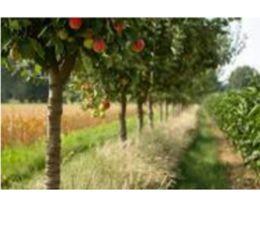
This project is an extension of the Apple Tree Identification Project Haliburton (ATIP) and has potential as an agroforestry project with benefits to biodiversity. There is also potential to contribute to the history of this part of Haliburton through research and field investigation of the homestead.The farm is located east of the main body of Harcourt Park in Dysart et al (Harcourt Twp.). We know little about the family: only the name, and that there was a homestead and burial ground and an orchard. Recently a variety of apple unique to Haliburton County has been identified and a research project was mounted to identify sites in the County where it may grow. https://www.appletreeshaliburton.ca/ The Leeson Farm could be one of them as there is a small, old, apple orchard. In addition to being a potential site for Haliburton Apple, the parent project is looking for sites where propagated “Haliburton Apples” could be grown and with management of the encroaching forest, this could be a good agroforestry project. This is a unique opportunity to maintain a sliver of biodiversity that we are slowly losing as pines and spruce take over the 200-year old pastures. The native blueberries and black raspberries are only a shadow of what they were in 1960 and it has long been an objective to clear away some of the young occupying forest. The potential to recreate the orchard (once a popular spot for black bears) is a unique one and consistent with the HP Forest Management Plan.
Sustainable Development Goal(s):
#6394: Identifying Septic-Safe Products: A Chemical and Market Scan in Cottage Country
This project aims to identify household and personal care products that are septic-safe and environmentally preferable, emphasizing commonly used products in cottage/residential settings in Haliburton County. The student(s) will analyze environmental and infrastructural impacts of harmful ingredients and offer safer alternatives by chemical profile and by commonly available brand names. A key part of the process will involve walking through typical household plumbing access points (kitchen sink, bath/shower, laundry, toilet, etc.) and assessing real world usage. Final outputs must prioritize clarity and public accessibility.
Sustainable Development Goal(s):
#6395: Investigating Guaranteed Livable Basic Income in Haliburton County
Economic security and community wellbeing are closely connected to broader social determinants of health. This project will investigate the potential impacts, considerations, and community perspectives surrounding a Guaranteed Livable Basic Income within Haliburton County. Student researchers will explore existing research, policies, and case studies to better understand potential benefits, challenges, and implementation considerations within rural communities.
Sustainable Development Goal(s):
#6407: Lake Capacity Study of Koshlong Lake
This project will revisit the Koshlong Lake’s ‘at capacity’ designation, exploring how modern development patterns such as densification, short-term rentals, and increased year-round use impact lake capacity, water quality and local biodiversity. The study will identify measurable indicators of waterfront development to determine the impact on water quality. Indicators will include shoreline composition/naturalization, nutrient loading, recreational activity, etc. and will be used to provide actionable recommendations for maintaining sustainable development practices, contributing to the Koshlong Lake Association’s renewed lake plan.
The research will: Examine the rationale, assumptions and definitions underlying Koshlong Lake’s ‘at capacity’ designation from the 1970s, Investigate key stressors on the lake, such as increased number and size of buildings on properties, landscaping practices, year-round property use, changing patterns of boating, septic system impacts (including maintenance and upgrades), and biodiversity shifts, Analyze historical lake data and compared with current development trends via recent data (LPP, WWEW, etc.), Investigate key stressors on the lake, such as increased number and size of buildings on properties, increased use of properties beyond the summer season, changing patterns of boating, septic system maintenance and upgrades, and biodiversity shifts, Identify metrics to assess the impact on the lake, including water quality and development indicators, Collaborate with other Highlands East lakes facing similar concerns to contextualize findings regionally*
Sustainable Development Goal(s):
#6410: Building Sustainable Community-Led Aging Initiatives: Case Study of Aging Together As Community in Haliburton County
Aging Together As Community (ATAC) is a grassroots initiative based in Haliburton County committed to creating supportive, inclusive, and sustainable opportunities for residents to age in place. The organization fosters peer-to-peer networks, working groups, and community-based events that enhance social connection, knowledge sharing, and collaborative problem solving related to aging well in a rural community. The project will support ATAC in identifying strategies to expand community engagement, strengthen organizational partnerships, and build financial sustainability for long term impact. The project will also analyze comparable initiatives in rural settings to identify best practices for community led aging programs and sustainable operations.
Sustainable Development Goal(s):
#6413: Study of Growing Domes in Haliburton County
This project seeks to examine the viability of year-round indoor growing in Haliburton County, using an existing geodesic Arctic Dome as a pilot case. The student(s) will conduct a feasibility study for how these types of (cold climate) grow domes can be scaled or replicated across the region, improving food production. This project will: Investigate need for increased year round access to (fresh, affordable, local) produce in Haliburton County. Identify barriers and opportunities related to growing domes. Conduct a Feasibility/PESTLE (Political, Economic, Social, Technological, Legal, Environmental) analysis of building and sustainability related to growing domes, outline funding opportunities, community partnerships, outreach strategies to support future dome projects or green infrastructure.
Sustainable Development Goal(s):
#6414: Study of Municipal Green Waste Biodigester in Haliburton County
This project will assess the feasibility of introducing a community-scaled biodigester to Haliburton County that can process green and food wastes from household, restaurant, health care facilities, etc. sources. The proposed system would both divert organic waste from landfills (reducing emissions and leachate) but can also create usable byproducts (biogas, digestate) [1]. The project will: Conduct a feasibility/PESTLE (Political, Economic, Social, Technological, Legal, Environmental) analysis on implementing a biodigester in rural setting, Identify best practices and existing models of community-scale digesters suitable for Haliburtons resources and conditions, Investigate policy frameworks and funding incentives for this technology in Haliburton County, Engage with stakeholders to assess local needs and barriers 1. https://www.mdpi.com/2673-8007/4/1/29
Sustainable Development Goal(s):

#6415: "The Missing Element" - Stories of the Mountain St. Red Cross Outpost

The Canoe FM/Haliburton Highlands Land Trust are non profit organizations working out of a historic building on Mountain Street in Haliburton that was once a Red Cross outpost. A small 1983 book by Martha Perkins, “A Hospital of our Own”, was written about its history. The purpose of this project is to discover more about the building and the health professionals who worked there in order to develop a better understanding of the hospital’s connection to history and its contributions to the local community. Existing data will be augmented through oral history interviews and a visual media display. A focus on collecting oral history will help employees, visitors and community members develop a better understanding and appreciation of the specific times, people and events that took place in the building space, and give insight into how the services of the outpost impacted the community. The visual materials created as part of the project will help make the space more inviting to people who work at and visit Canoe FM
Sustainable Development Goal(s):

#6416: Green Burial in Haliburton County: Assessing Local Opportunities and Challenges
This project will explore opportunities, considerations, and challenges associated with green burial practices in Haliburton County. Students will investigate environmental, social, regulatory, and community perspectives related to sustainable end-of-life options while identifying potential barriers and pathways for implementation. Findings will help inform future discussions around environmentally responsible burial alternatives.
Sustainable Development Goal(s):
#6465: Study of Youth Water Stewardship Outcomes Following the Haliburton/Muskoka/Kawartha Children's Water Festival
Environmental education programs aim to inspire the next generation of environmental stewards, but understanding their long-term impact is essential. This project will examine outcomes associated with participation in the Haliburton/Muskoka/Kawartha Children's Water Festival by exploring student learning, awareness, and attitudes toward water conservation. Results will help evaluate how experiential education programs influence youth engagement with environmental stewardship.
Sustainable Development Goal(s):
#6588: Investigating the Relationship Between Soil Nutrient Availability, Calcium Stress and Wood Strength in Sugar Maple Forests
Forest ecosystems are influenced by changing environmental conditions, including shifts in soil chemistry and nutrient availability. This project will investigate relationships between calcium availability, soil nutrients, and wood strength characteristics in sugar maple forests. Student researchers will contribute to understanding how environmental stressors influence tree health, forest resilience, and long-term ecosystem sustainability.
Sustainable Development Goal(s):
#6589: Evaluating the Water Footprint of the Haliburton/Muskoka/Kawartha Children's Water Festival
This project will evaluate the environmental footprint associated with delivering a large-scale youth water education event. Student researchers will assess water use, sustainability considerations, and opportunities to reduce environmental impacts while maintaining effective educational programming. Results will support improved event planning practices and demonstrate how environmental education initiatives can align with sustainability goals.
Sustainable Development Goal(s):
#6591: Assessment of Social Barriers to Get the Lead Out Campaigns
Lead fishing tackle can pose risks to aquatic ecosystems and wildlife; however, successful replacement programs depend on understanding community participation. This project will investigate barriers that influence engagement with Get the Lead Out initiatives, including awareness, behaviours, and perceptions among anglers. Findings will help improve outreach strategies and encourage environmentally responsible fishing practices.
Sustainable Development Goal(s):
#6593: Building Intergenerational Capacity on Haliburton Not-For-Profit Boards
Strong community organizations rely on diverse perspectives, leadership pathways, and sustainable volunteer engagement. This project will investigate opportunities to increase intergenerational participation on not-for-profit boards in Haliburton County. Student researchers will explore barriers, motivations, and strategies for recruiting and retaining younger community members in leadership roles while supporting long-term organizational sustainability.
Sustainable Development Goal(s):
#6594: Evaluation of Cervid Management Approaches: A Case Study Analysis
Managing deer, moose, and other cervid populations requires balancing ecosystem health, wildlife conservation, and community perspectives. This project will explore cervid management strategies used across North America through a review of scientific literature, management plans, and case studies to understand different approaches, challenges, and outcomes. Student researchers will investigate topics such as forest regeneration, vegetation impacts, habitat conditions, and human-wildlife interactions while identifying lessons that may apply to local management decisions.
Sustainable Development Goal(s):
#6595: Incentives for Homeowner Food Gardening and Orchards
Local food production can play an important role in improving food security, reducing household costs, and supporting community resilience. This project will explore existing and potential incentives that encourage homeowners to grow vegetable gardens, fruit trees, and edible landscapes on their properties. Student researchers will investigate examples such as grants, rebates, tax incentives, and other programs that support residential food production while identifying opportunities that could be applied locally. Findings will help inform strategies to increase home gardening, expand fruit tree planting in Haliburton County, and encourage the sharing of excess harvests with community organizations.
Sustainable Development Goal(s):
#6604: Establishing and Sampling Permanent Sample Plots at Fred and Pearl Barry Wetland Reserve
Healthy forests are constantly changing, and long-term monitoring is essential to understanding how ecosystems respond to natural disturbances and climate change. This project will establish and sample Permanent Sample Plots (PSPs) at the Fred and Pearl Barry Wetland Reserve to assess forest structure, species composition, regeneration, and ecological succession. Student researchers will collect field data on tree communities, forest conditions, and understory growth using the Woodlands and Waterways EcoWatch Terrestrial Monitoring Protocol. Results will help support informed stewardship and conservation decisions.
Sustainable Development Goal(s):