
Carolyn is a Trent student majoring in Indigenous studies, who went on exchange to the Universidad de la Tierra.
Name: Carolyn King
Major: Indigenous Studies
Exchange University: Universidad de la Tierra – Summer Term
Advice:
“Try to learn the local language before travelling.”
Q - Why did you decide to travel abroad?
It was an amazing opportunity to learn other ways of knowing, living, being, and working beyond what can be offered in a classroom. Experiential learning is something I feel very passionate about, and being able to participate and immerse myself in another culture and in another environment was invaluable.
Q - Why did you choose to study at Universidad de la Tierra? How did you learn about it?
I learned about this field study course initially through a guest speaker in a first- or second-year Indigenous Studies course I took several years ago. I chose to apply for it because of the incredible opportunity it represented, the funding supplements available for it, and because it assisted in satisfying the requirements of my degree program. The shorter length of stay also made it a great option for me as it made it possible for my workplace to accommodate my leave.
Q - What was your experience like? What are some of the differences & similarities with Trent?
My course was a short-term field study course and so I can’t compare it to any standard university classes I’ve taken before. However, the experience itself was amazing, although the pace was very fast, the days were very packed, and it felt very overwhelming at times. We had the opportunity to explore on our own in the evenings, but the days often left me too exhausted to take advantage of that time. We also had homework to tend to in the evenings. The trip felt non-stop and time for rest was incredibly high value for everyone.
Q - What did you find was the most challenging/difficult while abroad?
The most challenging parts of my study abroad were not having my own space/not having time to myself, the intensity of the pacing of the course material, and the requirements for assignments co-occurring during our field study learning without adequate time to process new material or do the learning justice.
Q - In your opinion, what would you say are the benefits of studying abroad?
The ability to see the world beyond your front door, deepen your understanding of the world and your place within it.
Q - What was one of your favourite memories from your time abroad?
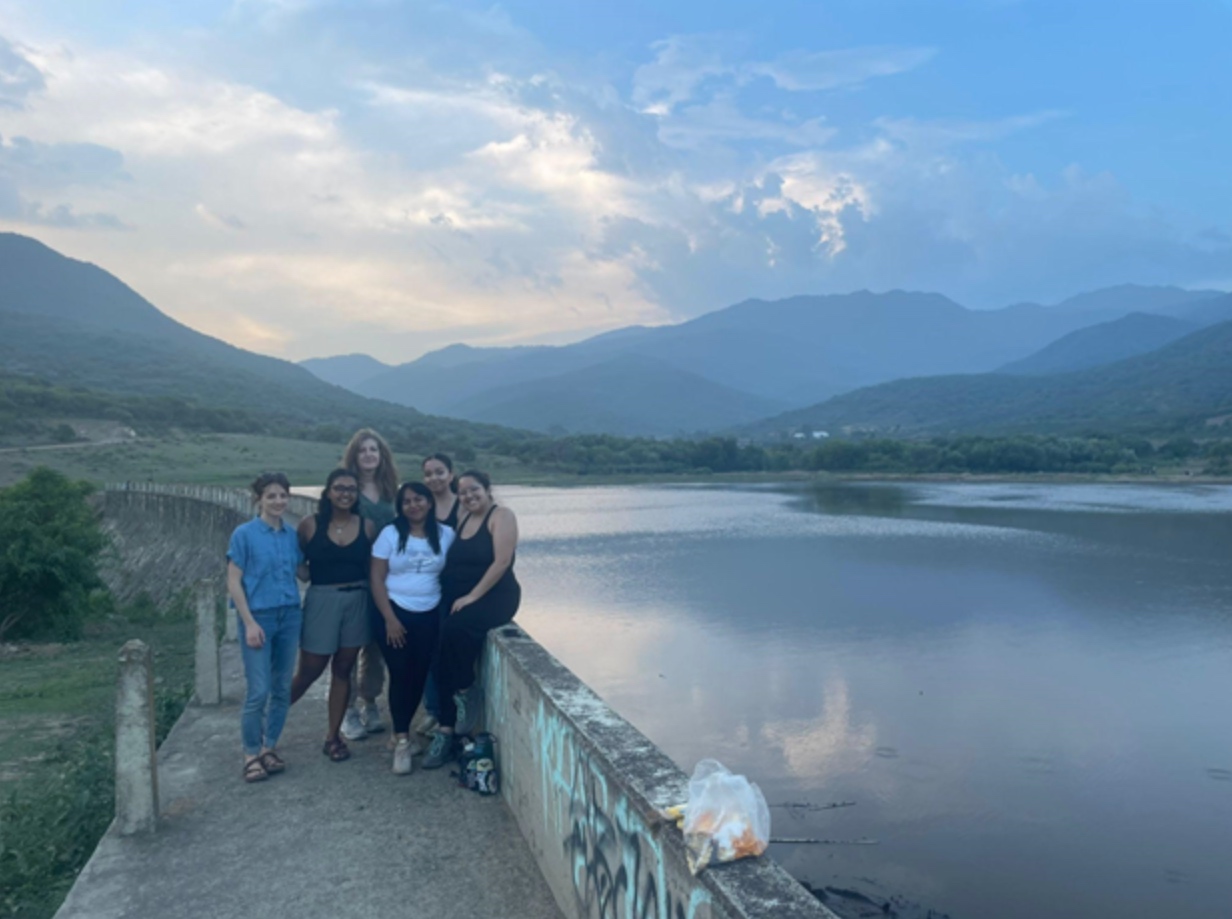
My village stay with a small group of classmates and the women of the village we met and learned from.
Q - If someone told you they were thinking about studying abroad but weren’t convinced they should, what would you tell them?
I would ask them “what do you have to lose?”. Studying abroad can be a life-changing experience and is certainly an incredible privilege for those who can do it. Having this sort of opportunity may never happen again once you graduate - life gets hectic, and the job world is far less accommodating for time away than school for experiences like this.