Forensic Anthropology
Forensic Anthropology is the application of biological anthropology and forensic science to criminal investigations, mass disasters, and human identification cases. This highly specialized B.Sc. program equips students with the skills needed to analyze human remains and the contexts in which they are found, interpret forensic evidence, and contribute to medico-legal investigations worldwide.
Students in this program will:
- Develop expertise in osteology (human skeletal analysis) to determine age, sex, ancestry, and trauma.
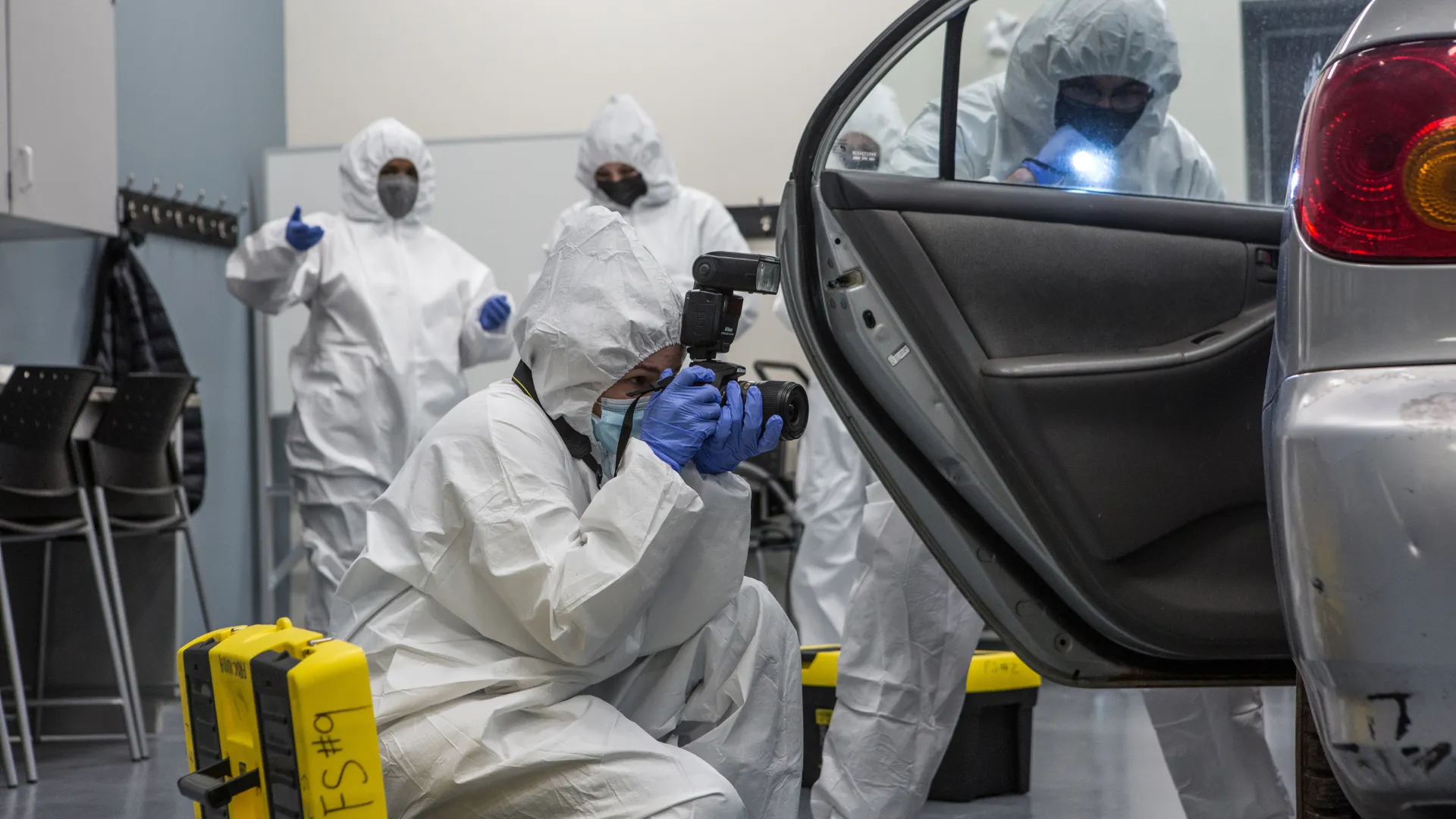
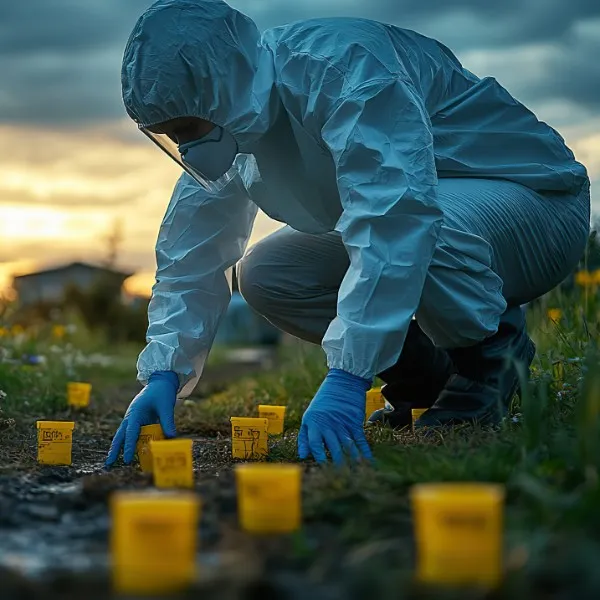
- Gain hands-on experience in forensic excavation and scene recovery techniques at Trent’s state-of-the-art Forensic Crime Scene Facility and in our archaeological labs
- Study biochemical and genetic analysis for human identification purposes.
- Learn the ethical and legal aspects of forensic anthropology, including how to present evidence in court and best practices for professional conduct.
- Participate in real-world case studies and independent research projects.
This program is ideal for students with a strong interest in science, law enforcement, and human biology, and prepares graduates for a range of forensic, scientific, and investigative careers.
Trent University’s Forensic Anthropology program is one of the few undergraduate degrees in Canada that provides hands-on training in human skeletal analysis, forensic scene recovery, and legal testimony preparation. This limited-enrolment program offers an interdisciplinary approach, combining forensic science, archaeology, and biological anthropology, and provides students with access to cutting-edge bioanthropological and forensic facilities, including Canada’s first zero-carbon forensic crime scene facility, located right on campus.
- Hands-on skeletal analysis using real and replica bone collections in anthropology labs.
- Crime scene excavation and recovery training at Trent’s Forensic Crime Scene Facility, Canada’s first zero-carbon-certified forensic lab.
- Independent research projects supervised by expert faculty in forensic science and anthropology.
- Mock trial experiences to develop testimony and expert witness skills.
- Collaboration with law enforcement agencies to address real-world problems.

#1 undergraduate university in Ontario
92% Trent Grads employed within six months
#1 undergrad university in Ontario for student services and student awards
Requirements
If you are coming straight from high school in Ontario or are a recent grad, the general admission requirements are:
- Ontario Secondary School Diploma (OSSD)
- Six 4U/M credits, including:
- Biology (4U)
- English (4U)
- Mathematics (4U)
- Minimum 75% overall average
- Limited enrolment: Offers are made based on academic performance.
Requirements
Students from across Canada can use their grades from their home province to apply to Trent.
Requirements
International students from outside Canada can apply based on the curriculum of their home country.
Requirements
Mature students can apply to Trent based on previous education and professional or volunteer experience.
Requirements
With many transfer agreements and flexible pathway options, Trent University makes it easy for students to make the most of the credits you have already earned.
Whether you're graduating from an Ontario high school, looking to study in Canada, or training for a second career, Trent has clear pathways for students to apply and be admitted to study at either of our campuses.