
Trent's Indigenous Bachelor of Education provides a platform for self-identified First Nations, Métis, Inuit, and Indigenous students to become exceptional future educators. Through land-based experiences, exploration of Indigenous languages, and classroom and community placements, you'll graduate ready to teach in First Nations, Métis, Inuit, urban, rural, and public-school environments while supporting the next generation of learners.
- Complete a three-year B.A. or B.Sc. and your B.Ed., all in this 12-month intensive program.
- Experience Indigenous learning firsthand through unique events and resources at Trent, such as the Elders and Traditional Peoples Gathering, medicine gardens, and cultural programming.
- Graduate with teaching experience gained through placements alongside Indigenous educators or within Indigenous communities and become certified by the Ontario College of Teachers.
- Expand your Indigenous-language skills through Nishinaabemowin courses with instruction in vocabulary and sentence patterns through classroom and language-lab practice. Trent's Nishinaabemowin programming draws on the Manitoulin/Wiikwemkoong dialect.
This first-of-its kind four-year concurrent program is designed for Indigenous learners to become certified to teach at any school across Ontario while engaging in deep study of Indigenous languages, cultures, and knowledge.
Gain valuable career experience while earning academic credit.
Requirements
If you are coming straight from high school in Ontario or are a recent grad, the general admission requirements are:
- Ontario Secondary School Diploma (OSSD)
- A minimum of six Grade 12 4U or 4M courses, including program-specific prerequisites
- ENG4U with a minimum of 60%
Program specific requirements:
- Self-identify as Indigenous and must have 70% average in six 4U/M credits including ENG4U (60% minimum for this course)
| Admission Requirements | Recommended Admission Requirements | Estimated Admission Average | Co-op Admission Average |
|---|---|---|---|
| ENG4U | 4U Math for B.Sc | 70-75% |
Requirements
Students from across Canada can use their grades from their home province to apply to Trent.
Requirements
International students from outside Canada can apply based on the curriculum of their home country.
Requirements
Mature students can apply to Trent based on previous education and professional or volunteer experience.
Requirements
With many transfer agreements and flexible pathway options, Trent University makes it easy for students to make the most of the credits you have already earned.
- Catherine Chiu Indigenous Bachelor of Education Award
- Harvey McCure Indigenous Student Support Fund
Whether you're graduating from an Ontario high school, looking to study in Canada, or training for a second career, Trent has clear pathways for students to apply and be admitted to study at either of our campuses.
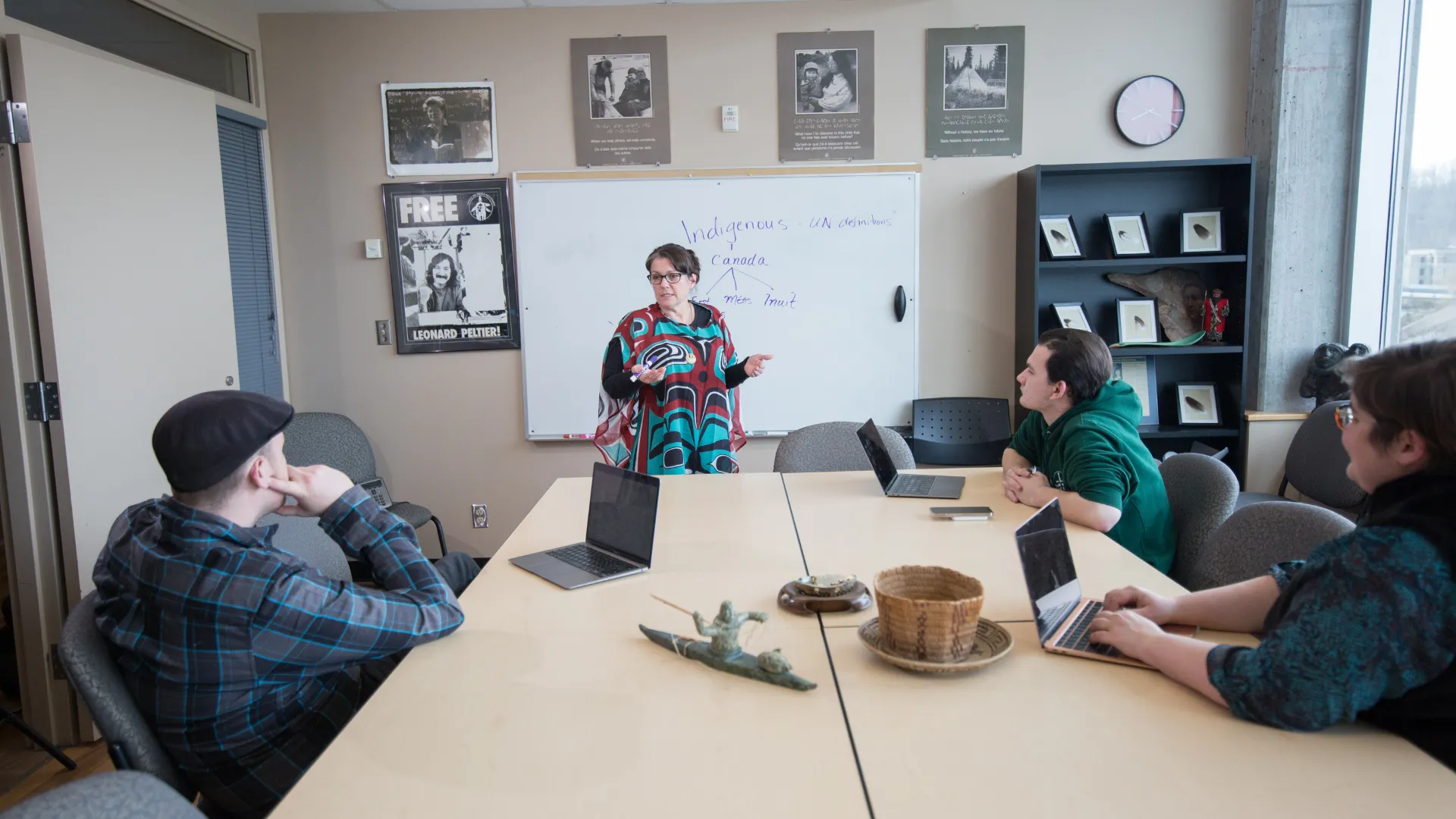
Seeing Indigenous teachers in their schools activates their potential as they vision themselves as teachers. This is all-the-more powerful when those Indigenous teachers are from the Indigenous learner's community.
- Expand your communication skills by learning Mohawk or Anishinaabemowin languages and use this knowledge to connect with students in Indigenous classrooms.
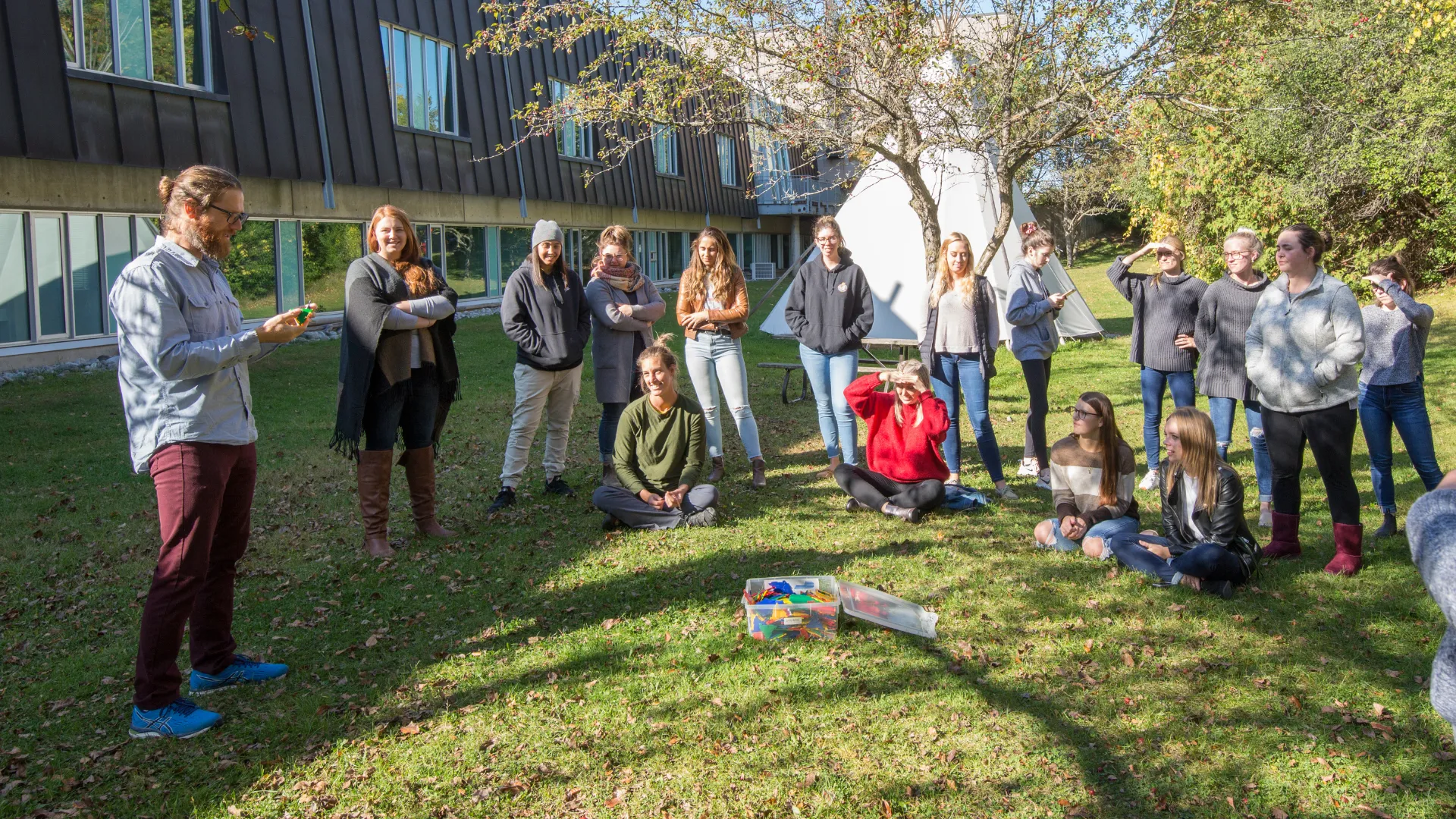
- Participate in a land-based learning camp in Wiikwemkoong Unceded Territory on Manitoulin Island, where you can learn about traditional Indigenous teachings and practices directly from community Elders and Knowledge Keepers.
- Participate in field experiences, classroom practica and literacy support during the final professional year of the program.
- Take your Trent education global. Spend a semester or year studying at one of Trent’s 50+ international partner universities, participate in a summer field course, or gain international experience through a placement or internship.
- With opportunities in more than 35 countries, you can broaden your academic perspective, experience new cultures, and build skills that prepare you for a global career.
- Gain approximately 90 days of hands-on teaching experience working alongside Indigenous educators or within an Indigenous community.