
Cultural Studies Ph.D.
Trent’s Cultural Studies graduate programs emphasize research and research creation. Students immerse themselves in a thriving local arts community as they pursue discussions surrounding culture and technology, environmental communication, gender and the body, science as knowledge, discourse, and narrative, social and political theory, and media theory.
In the first Cultural Studies Ph.D. program in Canada, students will put their research and passion in the spotlight as they build a diverse skillset through a combination of core seminars, independent research, teaching and research assistantships and the completion of a dissertation in the pursuit of interdisciplinary scholarship.
After graduation, you will be ready to do the important work of contributing, through teaching and original research, to fields of inquiry pivotal to the development of our thinking, and our cultures, in the twenty-first century. Trent graduates go on to become teachers and researchers at universities and colleges in Canada and abroad, and to develop new forms of cultural inquiry and artistic innovation wherever they live.
Experiential Learning:
The Cultural Studies Graduate Programs offer a wide range of opportunities for practice-based learning and artistic research. Students benefit from access to media equipment, dedicated media labs, and a critical making studio, along with internships and a practice-based research track designed to enrich their academic and professional development.

Interdisciplinary in spirit and theoretical in emphasis, Trent’s Cultural Studies M.A. and Ph.D. programs focus on contemporary issues in the humanities and social sciences from the perspectives of critical, cultural and political theory. Prepare to get creative and critical as you implement your own research program and build the foundations for a successful career in cultural and political inquiry.

Trent has been home to 2 Nobel Prize winners
10 Canada Research Chairs conduct innovative research at Trent
We are proud to be one of the top 3 greenest campuses in Canada
Eligibility Requirements
- M.A. in Cultural Studies or a related discipline
- Minimum A- (80%) or equivalent overall in the Master's degree
- Aptitude for theoretical inquiry and excellent writing skills
- Original and innovative dissertation proposal
Eligibility Requirements
- M.A. in Cultural Studies or a related discipline
- Minimum A- (80%) or equivalent overall in the Master's degree
- Aptitude for theoretical inquiry and excellent writing skills
- Original and innovative dissertation proposal
- Proof of English Proficiency: All international applicants must provide proof of an adequate level of English proficiency regardless of their citizenship status or country of origin. Please visit our How to Apply: International page for details on English Language Proficiency requirements
- A GRE test score is not required for admission into this program
All applicants, domestic and international, must submit the following documents to complete their application:
- Transcripts: Unofficial copies of all post-secondary transcripts
- 2 letters of reference: Academic references are preferred; however, professional references will be accepted. Reference forms will be emailed to the referees that you have appointed on OUAC
- Plan of Study/Personal Statement: 1-2 pages outlining your objectives in a graduate program. Any specific research interests, relevant experiences, and/or career aspirations can be included
- Writing Sample: A sample of your writing of about 20 pages or less. The preferred submission format is PDF. Good choices for writing samples include: an undergraduate essay, lab report, research report, journal article, a chapter from a masters thesis, or a published article.
- Proof of Citizenship (ie. copy of passport or birth certificate)
- Supervisor: A potential supervisor is recommended as an admission requirement for this program. If chosen prior to admission, please list your supervisor on your OUAC application and discuss this in your plan of study. Please visit the program's Faculty and Research page for a listing of faculty and areas of research. Applicants are responsible for reaching out to a faculty member
For more information on submitting transcripts, re-sending reference links and other application questions, please visit our How to Apply: Domestic or International pages and review Step 4, as well as review our Frequently Asked Questions (FAQ).
Learn more about tuition & fees
Eligible full-time students are offered minimum funding packages during their funded period of $23,000 annually. This includes a Graduate Teaching Assistantship employment offer valued at approximately $13,000 annually. Specific funding details are included in individual admission letters.
As of May 1, 2026, full-time international PhD students pay domestic tuition fees at the out-of-province rate.
Students are supported in competing for external awards during their studies, such as the Ontario Graduate Scholarship. A full list of external awards is available on our Scholarships & Awards page.
Trent has clear pathways for graduate students to apply and be admitted to study for their master's or doctorate at either of our campuses. Please review admission requirements for your program before applying.
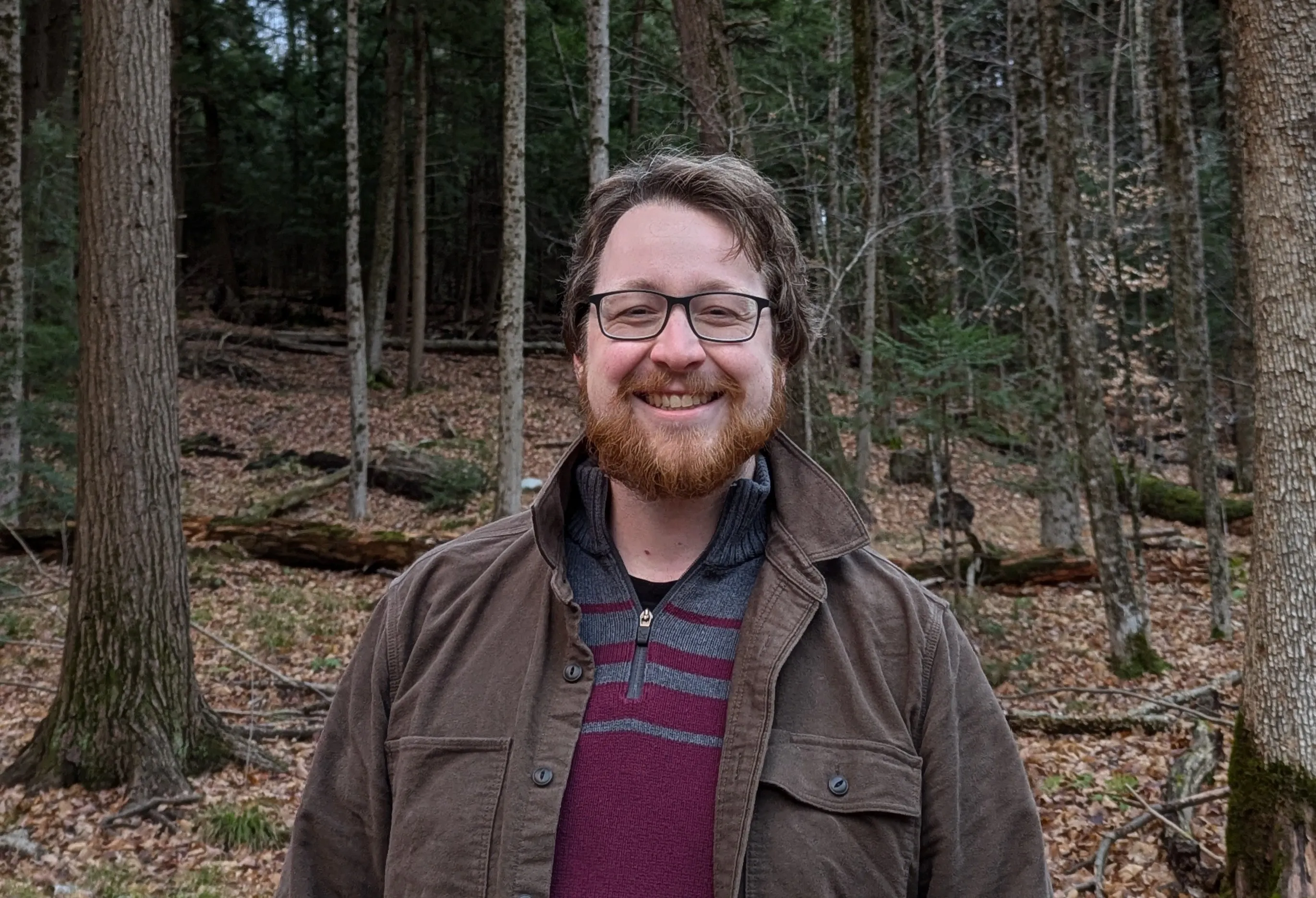
I am studying solarpunk, an emerging genre of speculative science fiction that is interested in intersectional environmental and social justice. Trent's Cultural Studies program has offered me the freedom to pursue my research as I intended to, taking a broader approach than a Literature program would allow, and encouraging the inclusion of research-creation components in my dissertation. Peterborough's smaller size has helped me feel more a part of the community, while the extensive nature within the city boundaries has helped me maintain a work life balance that includes nature walks.
Anne Pasek is the Canada Research Chair (Tier II) in Media, Culture and the Environment. Her research areas include the energy humanities, science and technology studies, digital media infrastructures, and the cultural politics of climate change. She directs the Experimental Methods & Media Lab where she and her students explore alternatives to traditional academic writing through research-creation, critical making, and zine making.

Dr. Joshua Synenko’s research is situated between media and geography. His work explores relationships between cities and mobility (migration, displacement, settlement), cinema and geography, practice-based research and artistic research, and experimental technologies for social engagement. He is Co-Editor of Media Theory.