
Study Canada at the university that helped establish Canadian Studies as a defining field of study. Through Trent's School for the Study of Canada, explore the country in a global context, drawing on history, politics, culture, literature, economics and social justice to examine the ideas, events and forces that shape communities across the country. Engage with Indigenous perspectives, public policy and social movements while learning in a program recognized nationally and internationally for its longstanding expertise and leadership in Canadian Studies.
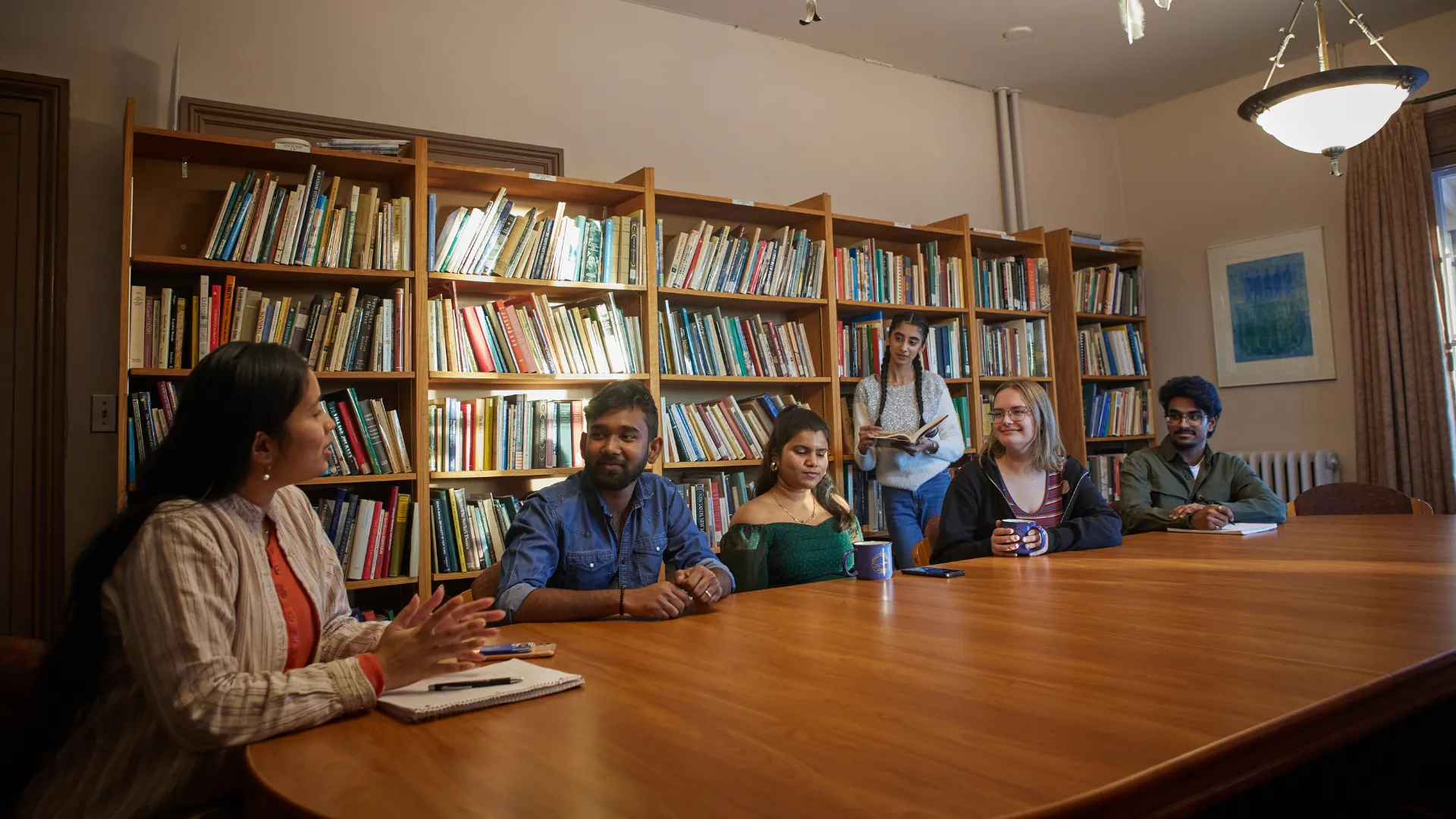
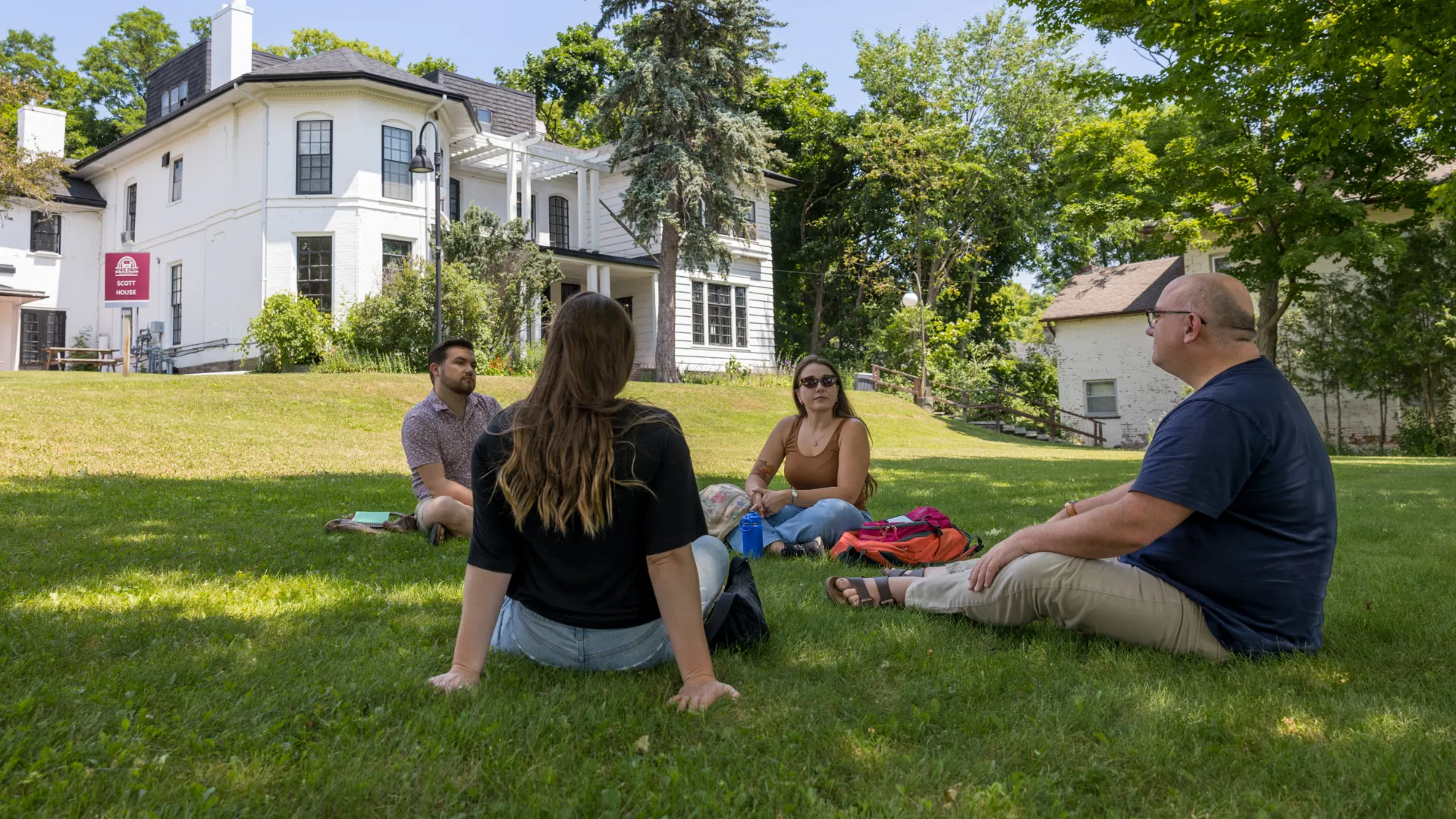
- Learn in small, workshop-based classes that encourage discussion and close engagement with professors.
- Gain hands-on research experience through community-based projects that connect academic inquiry with real-world issues facing Canada.
- Go beyond the lecture hall through student retreats, research workshops, and distinguished speaker events.
- Build skills for a wide range of careers by developing critical thinking, research and communication skills
Explore the multifaceted meanings of Canadian identity, citizenship, and society through an interdisciplinary lens in one of the first programs of its kind.
Gain valuable career experience while earning academic credit.
Requirements
If you are coming straight from high school in Ontario or are a recent grad, the general admission requirements are:
- Ontario Secondary School Diploma (OSSD)
- A minimum of six Grade 12 4U or 4M courses, including program-specific prerequisites
- ENG4U with a minimum of 60%
| Admission Requirements | Recommended Admission Requirements | Estimated Admission Average | Co-op Admission Average |
|---|---|---|---|
| ENG4U | 70-75% | 80-85% |
Requirements
Students from across Canada can use their grades from their home province to apply to Trent.
Requirements
International students from outside Canada can apply based on the curriculum of their home country.
Requirements
Mature students can apply to Trent based on previous education and professional or volunteer experience.
Requirements
With many transfer agreements and flexible pathway options, Trent University makes it easy for students to make the most of the credits you have already earned.
- John Gilchrist Memorial Scholarship
- Margaret Laurence Scholarship
- Mary L. Northway Scholarship
- Carolyn Sarah Thomson Scholarship
- Symons Essay Prizes in Canadian Studies
- Alan Wilson Prize in History
- Gordon H.T. Farquharson, Q.C., Award
- Gerry and Mary Stephenson Award
- John Wadland Award
- John Wadland Undergraduate Award for Canadian & International Students
- Undergraduate Fund for the Study of Canada
Whether you're graduating from an Ontario high school, looking to study in Canada, or training for a second career, Trent has clear pathways for students to apply and be admitted to study at either of our campuses.

It is natural that this University should feel a particular interest in the study of history and culture of its community and of our nation.
- Graduate with paid work experience completing three 12–16-week work terms in the summer of years two and three, and the fall of year four, all as part of your four-year degree.
- Work in areas such as community development, evaluation and research, hospitality and tourism, libraries, museums, archives, and policy analysis.
- Study alongside leading scholars in the School for the Study of Canada, including the Canada Research Chair in the Study of Canada’s North.
- Take on research, planning or community development projects for course credit through the Trent Community Research Centre, collaborating with community partners on projects such as museum exhibits, local histories and environmental soundscapes.
- Take your Trent education global. Spend a semester or year studying at one of Trent’s 50+ international partner universities, participate in a summer field course, or gain international experience through a placement or internship.
- With opportunities in more than 35 countries, you can broaden your academic perspective, experience new cultures, and build skills that prepare you for a global career.
- Put your learning into practice through hands-on placement experiences in real-world settings, connecting what you learn in the classroom with opportunities to make connections and gain new skills in your field of study.
- Gain professional workplace experience by working within a business or organization on a paid internship, building career-ready skills, making industry connections, and exploring potential career paths.