
Undergraduate
Anthropology
-
- Bachelor of Arts (B.A.)
- Bachelor of Science (B.Sc.)
-
- Peterborough & Durham GTA
-
- Paid Co-op Available
-
- Fall & Winter & Summer
- Humanities & Social Sciences (Arts)
At a glance:
- Degree Bachelor of Arts (B.A.) Bachelor of Science (B.Sc.)
- Campus Peterborough Durham GTA
- Work Experience Paid Co-op Available
- Program is Offered Fall & Winter & Summer
- Study Options Part time/Full time
- OUAC Codes RAA - Peterborough B.A. RFX - Peterborough co-op B.A. RSA - Peterborough B.Sc. RFY - Peterborough Co-op B.Sc. ROA - Durham B.A.
- Apply Now Stay in Touch
The Trent Advantage
Learn from renowned experts and researchers in one of the most highly regarded Anthropology programs in Canada, exploring all aspects of the human experience.
How do we understand humanity from our earliest origins to the complex societies of today? At Trent, you’ll investigate the human story from our earliest ancestors to modern global communities through all four fields of anthropology: archaeological, biological, cultural, and linguistics.
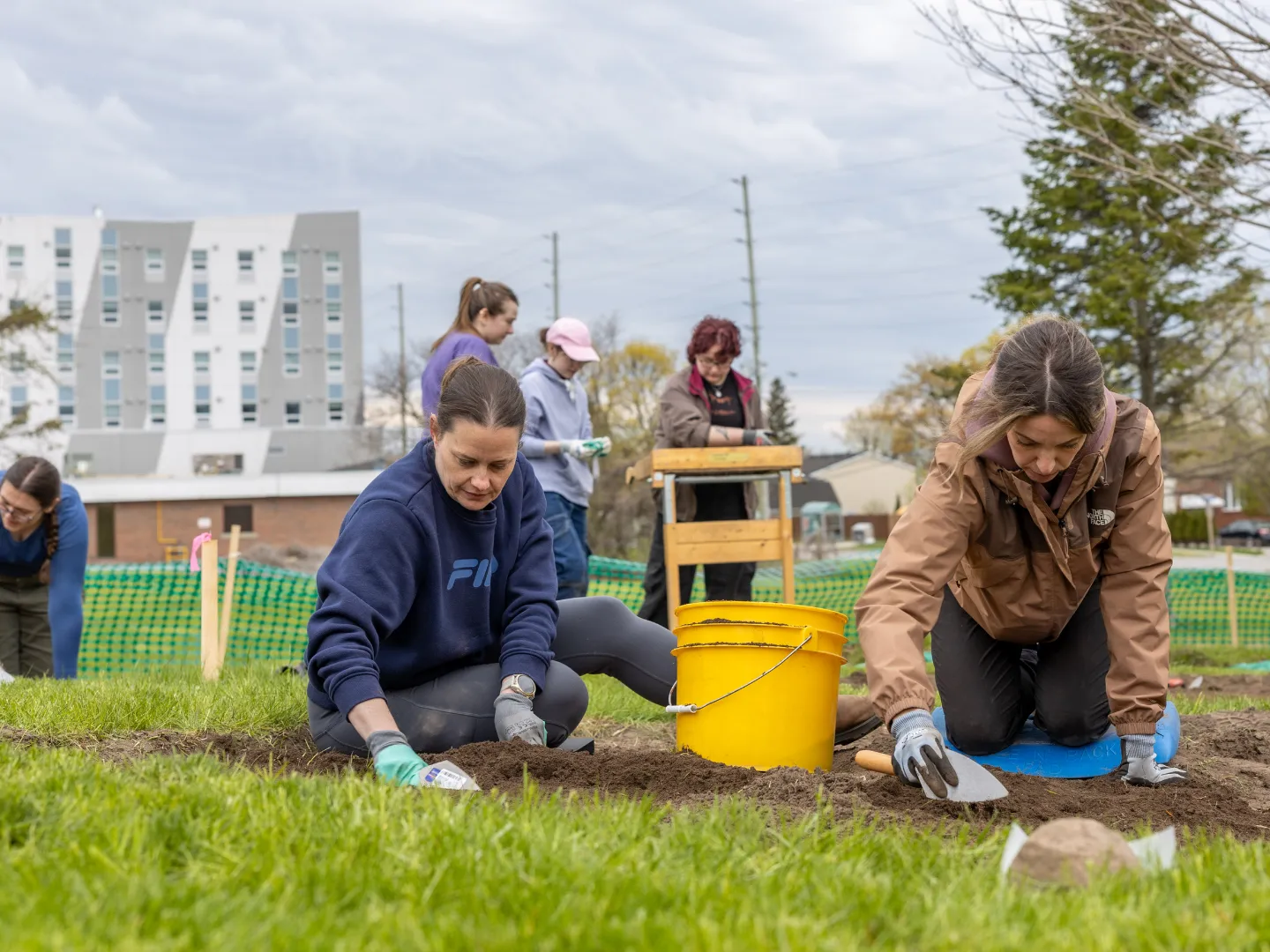
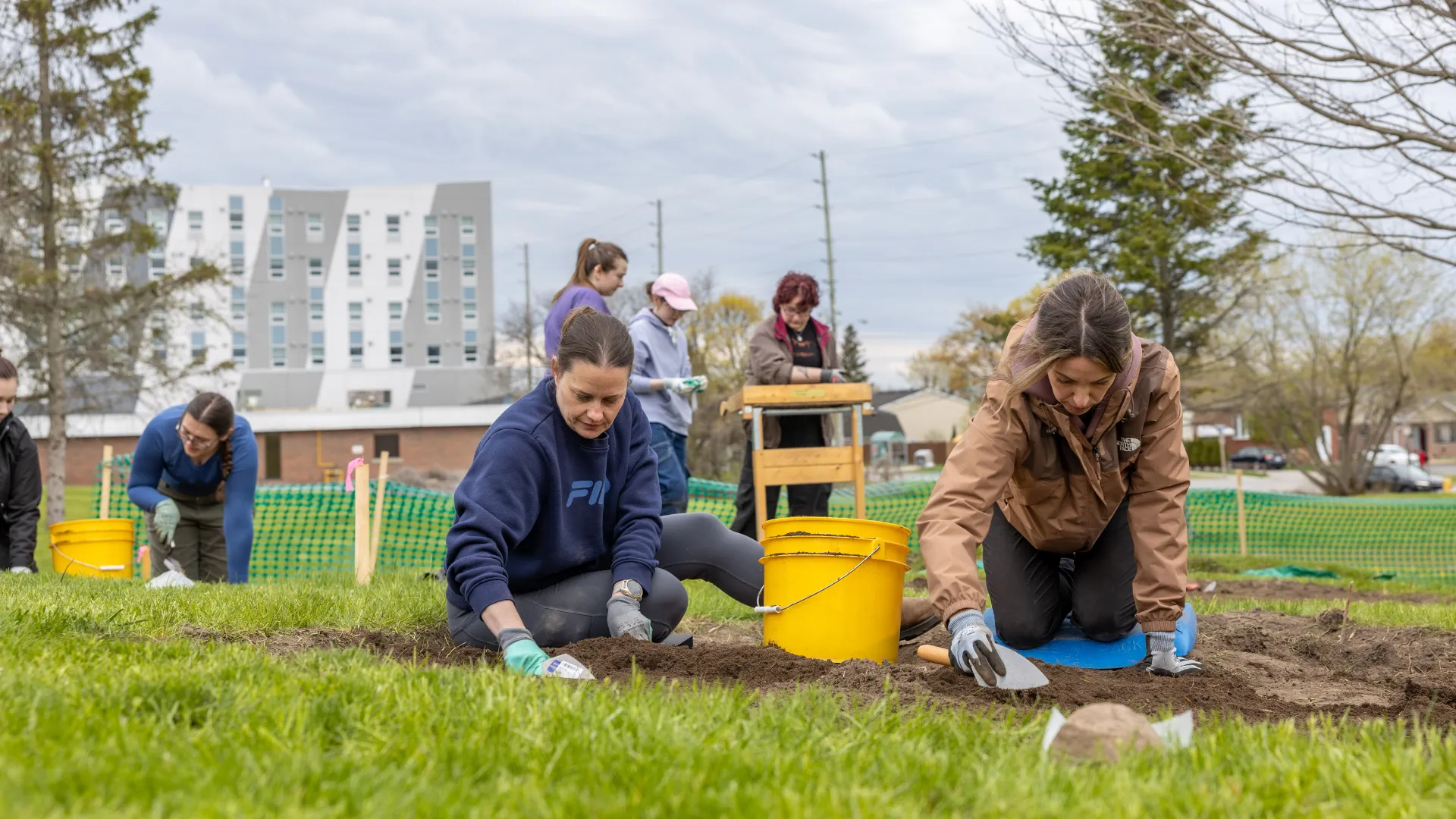
- Gain hands-on experience through archaeological field schools in Canada, Belize, and Greece, conduct independent research with internationally recognized faculty
- Graduate with up to 12 months of paid professional experience through the Anthropology co-op program.
- Whether analyzing ancient civilizations, studying human evolution, or exploring contemporary cultures, you’ll build research, communication, and analytical skills for careers in museums, archives, conservation, community heritage, environmental planning, and community development.
Accelerated Masters
Fast-track your education, by earning your M.A. or M.Sc. in Anthropology in only 16-20 months after graduating from your Honours B.A. or B.Sc.
Program Possibilites
Specialize your studies in Anthropology with a focus on a specific field within your degree
-
Bioarchaeology
Archaeological remains of biological materials (humans, animals, and plants) can offer key insights into the ecology, culture, and lived experiences of people, animals, and communities in the past. This hands-on specialization features a strong lab and applied learning component, equipping you with a practical skill set in the study, identification, and characterization of human and other biological samples from archaeological contexts.
-
Biological Anthropology
This specialization is focused on understanding the human condition through both a biological and cultural lens to better understand why people look and behave the way they do. Biological Anthropology features a strong laboratory component and diverse courses to give you specific skills in the study of human osteology as well as a broad understanding of topics such as disease, nutrition, and evolution.
-
Environmental Archaeology
Develop your expertise in reconstructing the relationship between past humans and their environment. In this one-of-a-kind specialization, you’ll gain valuable skills and hands-on experience applying geological, biological, and physical sciences concepts to advanced lab projects and archaeological field studies.
-
Mediterranean Archaeology
Take your learning beyond the traditional study of early Greece and Rome and study how the modern Mediterranean is influenced by its ancient remains. This distinctive specialization offers unrivaled opportunities to examine the complexities of the art, architecture, and cultures of an area steeped in antiquity.
Add an Option to your Anthropology degree to explore an additional area of interest
-
Linguistics
Embrace your love for communication. This option enables students to focus on courses designed specifically to complement your studies in a language or languages. Following an introductory course in linguistics, students may choose from a variety of courses across a number of departments, including French & Francophone Studies, English Literature, Anthropology, and Ancient Greek & Roman Studies. You can tailor this option to your specific interests in language and linguistics.
-
Pre-Modern Studies
Enhance your understanding of the thought, literature, and history of the pre-industrial (pre-1800) world. The study of historical culture in world civilizations from antiquity through early modernity will allow you to better understand the origins and development of culture informing modern global society.
-
Languages
As the world becomes increasingly connected, knowing how to communicate in multiple languages can be a valuable asset, opening professional opportunities across the globe. Through this option, students can select a series of engaging courses within a wide variety of languages. Chinese, French, German, Spanish – at Trent you can study them all.
Career experience while you learn
Every Anthropology student has a guaranteed route to paid, credited experience before they graduate.
Paid Co-op Available
- Graduate with paid work experience completing three 12–16-week work terms in the summer of years two and three, and the fall of year four, all as part of your four-year degree.
- Explore opportunities in museums, archives, arts and culture, heritage, conservation, environmental planning and community development. Combine two terms to take on longer-term projects in research, cultural programming, evaluation, or policy.
Research Opportunities
- Conduct independent research with globally recognized Trent scholars and present your findings at the undergraduate research colloquium.
- Perform specialized archaeological research in Trent’s Human Bioarchaeology Research Lab. Projects have included isotope analysis in the Chilean Andes, Maya archaeological mapping and archaeological excavation in Ontario.
Field Schools and Hands-On Courses
- Discover ancient civilizations through field schools in Canada, Belize and Greece, gaining hands-on excavation, experience at sites such as the Ka’Kabish Maya archaeological site in Belize or develop bioarchaeological field and laboratory skills in Canada.
Study Abroad
- Take your studies around the world with opportunities in 35 countries, including a semester or year at Galen University in Belize studying topics such as human biological variation, medical anthropology, forensic anthropology and Maya prehistory while earning credits toward your Trent degree.
Internships
- Complete a paid internship as an Anthropology student. Previous students have interned at the Royal Ontario Museum's Natural History Department in museum collections and entomology research.
Career Paths
- Archaeologist
- Forensic Anthropologist
- Cultural and Heritage Consultant
- Museum or Collections Specialist
- Environmental Impact Assessor
In Their Own Words
Anthropology has something for everyone. Whether you're interested in religion, arts, or languages, there's something that will interest you.
Brittini Andrew
Anthropology graduate

Admissions
Whether you're graduating from an Ontario high school, looking to study in Canada, or training for a second career, Trent has clear pathways for students to apply and be admitted to study at either of our campuses.
Requirements
If you are coming straight from high school in Ontario or are a recent grad, the general admission requirements are:
- Ontario Secondary School Diploma (OSSD)
- A minimum of six Grade 12 4U or 4M courses, including program-specific prerequisites
- ENG4U with a minimum of 60%
| Admission Requirements | Recommended Admission Requirements | Estimated Admission Average | Co-op Admission Average |
|---|---|---|---|
| ENG4U | 4U Math (B.Sc) | 70-75% | 80-85% |
Requirements
Students from across Canada can use their grades from their home province to apply to Trent.
Requirements
International students from outside Canada can apply based on the curriculum of their home country.
Requirements
Mature students can apply to Trent based on previous education and professional or volunteer experience.
Requirements
With many transfer agreements and flexible pathway options, Trent University makes it easy for students to make the most of the credits you have already earned.
Tuition Estimate
Estimate your tuition, ancillary fees, and potential entrance scholarships based on your program, residency status, and academic average.
Tuition
Base Tuition Fee
$6,240.85
Ancillary Fees
Ancillary Fees (non-tuition costs supporting student services, such as athletics, campus safety, college fees, etc.)
$2,122.22
Total:
$ 8,363.07
* The tuition details and scholarships listed are for domestic students only. International applicants should contact the financial aid office directly for equivalent guidance.
Scholarships
If you’re a top scholar with an average of 80% or higher, you qualify to automatically receive an entrance scholarship to Trent. Scholars with 95% or higher? You earn free first-year tuition – no application required.
| Entrance Average | Maximum Scholarship Potential | Details |
|---|---|---|
| 95%+ | $18,241 | $6,241 first year Full Tuition + $4,000 x 3 years |
| 90-94.9% | $12,000 | $3,000 x 4 years |
| 85-89.9% | $8,000 | $2,000 x 4 years |
| 80-84.9% | $6,000 | $1,500 x 4 years |
* Available to Domestic students only. Based on 2026/27 tuition for a general arts and science program
Explore additional funding for domestic and international students
- Anthropology Faculty Prize
- Bagnani Anthropology, Archaeology & Classics Fund
- Linda Hubbell Book Prize
- Anne Keenleyside Anthropology Prize
- Otto Roesch Memorial Prize
- Joseph So Prize in Biological/Medical Anthropology
- Vanhaverbeke Family Prize in Anthropology
- Bagnani Undergraduate Awards
- Cranston Family Award