

Championing Equity, Diversity, and Inclusion
“We respectfully acknowledge that we are on the treaty and traditional territory of the Michi Saagiig Anishinaabeg. We offer our gratitude to the First Peoples for their care for, and teachings about, our earth and our relations. May we honour those teachings.”
Trent University is leading the conversation on creating a more equitable world, and Trent's Equity and Human Rights Office (EHRO) is at the forefront, guiding the way forward. Our mission encompasses monitoring university policies, advising on matters of human rights and accessibility, and facilitating the resolution of complaints. Here, you'll discover a wealth of resources and valuable information for those seeking to broaden their perspective and gain a deeper understanding of their role in nurturing a more equitable and inclusive community. Join us in the journey to foster a more just and inclusive world.
Read our Solidarity Statement Below:
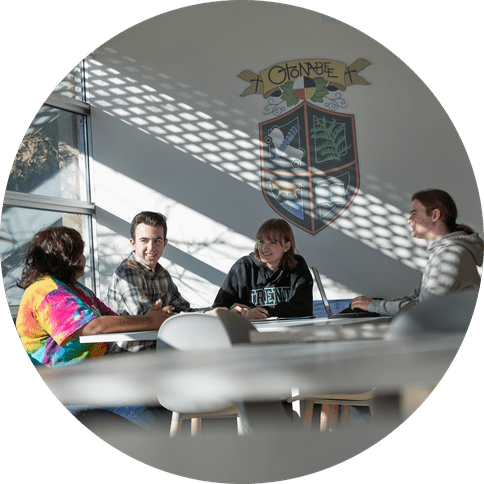
EHRO offers and supports many initiatives around campus and around the community. Click here to get a full list of education and training offered for students and employees.

If you or someone you know has experienced discrimination, reach out and fill out a complaint or incident. If you have feedback for the office, you can find that form here too.
Focus Areas

Equity

Accessibility

Resources

Anti Racism & Anti Hate
Discrimination & Harassment

About Us
CCDI Training
Every month, CCDI offers new training sessions both in person and virtual, on a variety of topics. Luckily, we have partnered with them to offer the Trent community access to these sessions. Either for personal interest, or occupational, we hope you are able to use these to further your knowledge and expand your skills.
Click here for a list of upcoming events our Trent community might be interested in.
Upcoming Events
- Building Neuro‑Affirming Workspaces in Higher Education - A Management Leadership Workshop: This session focuses on equipping staff with the necessary tools to build workplaces where neurodivergent individuals feel respected, understood, and safe to thrive.
Register here!