

Director

Joshua Synenko
Associate Professor
Director, MA & PhD Cultural Studies
BA PhD (York), MA(Western)
Research Interests: Cinema studies, media theory, social and political thought, visual culture
On sabbatical until June 30, 2026
Cultural Studies Faculty

Martin Arnold
Associate Professor
BMus (Alberta), MMus (Victoria), PhD (Victoria)
Research Interests: Experimental music, the cultural politics of the experimental, the wonderful, musical mediations/intertextualities/ecologies, African-American music, Celtic music, narrative and not narrating.

Jessica Barr
Assistant Professor Jessica Marion Barr
BA (Toronto), MA (McMaster), PhD (Queen's)
Coordinator, Bachelor of Arts & Science
jessicabarr@trentu.ca
Research interests: Visual and other creative arts; research-creation; environmental and ecological art; ecological grieving; ecological and social justice; practices of care; mothering/motherhood; somatic and embodied practices; disability and neurodiversity; Indigenous knowledges and Indigenizing education; queerness and queer ecologies; music, sound, and listening practices; sustainability studies; nature-based practices; collaboration and community projects. And anything sparkly.

Kelly Egan
Associate Professor
BA (Carleton), MA (York/Ryerson), MFA (Bard), PhD (York/Ryerson)
Research Interests: Avant-Garde Cinema, Media Arts, Media Archaeology, Film Preservation and Archival Theory, Aesthetics, Visual Culture, Materiality

Michael Epp
Professor
BA (Saskatchewan), MA (McGill), PhD (Alberta)
Research Interests: 19th- and 20th-century American literature and culture; public and political violence; print culture and book history; Irish Republicanism

Ihor Junyk
Professor
BA Hons. (UWO), MA (Queen’s), PhD (University of Chicago)
Research Interests: Modernism and the avant-garde; classicism and myth; opera; trauma, memory, and history; and the contemporary novel.
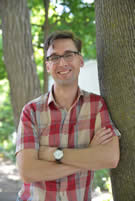
Liam Mitchell
Associate Professor
Chair of Cultural Studies
BA (Thompson Rivers), MA (York), PhD (Victoria)
Research Interests: Game studies, media theory, political theory, cultural politics, social media, Heidegger, Foucault.

Alan O'Connor
Professor
BA (Trinity College, Dublin), MA, PhD (York)
Research Interests: Subcultures, anarchism and the 'anti-globalization' movement; sociology of culture, mass media, intellectual fields; Latin American studies.

Anne Pasek
Canada Research Chair in Media, Culture and the Environment
Associate Professor
BA (University of Alberta), MA (McGill), PhD (New York University)
Research Interests: climate change, energy/environmental humanities, science communication, visual culture, new materialisms, infrastructure, cultural politics

James Penney
Professor
BA, MA (Alberta), PhD (Duke)
Research Interests:Cultural theory (psychoanalysis and Marxism), world literature and cinema, queer theory.
English Literature Faculty

Suzanne Bailey
Professor
Director, M.A. English Literature (Public Texts)
BA (Queen's), MA, PhD (Toronto)
Research Interests: Darwin; science and visual culture; age and disability studies; Canadian modernism; history of the book, photography; theories of landscape; travel writing and mobilities; autobiography and women's writing; digital media; literary theory.

Charmaine Eddy
Associate Professor
MA (Western Ontario), PhD (Toronto)
Research Interests: Modern and contemporary American fiction; African-American fiction; 19th-century American women poets; black literary and critical theory; theories of subjectivity and the body; Faulkner; Morrison

Hugh Hodges
Associate Professor
Chair Of English
BA (Queen's), MA, PhD (Toronto)
Research Interests: African; West Indian; Black British and South Asian Literature; Oral Traditions and popular music; Postcolonial theory

Aaron Kreuter
Assistant Professor, English
B.A. (Concordia); M.A. (University of Victoria), Ph.D. (York University)
Research Interests: Creative writing; world literature; settler colonial fiction; Jewish fiction; Israel/Palestine studies; eco-fiction.

Andrew Loeb
Associate Professor, English
BA, MA (McMaster), PhD (Ottawa) andrewloeb@trentu.ca
Research Interests: Early modern drama; music theory and practice; cognitive literary studies; theatre history; gender and sexuality; witchcraft; audience studies; subjectivity
Concetta Principe
Assistant Professor
B.A. (Trent), M.A. (Concordia), M.A., Ph.D. (York)
Research Interests: Comparative Literature (biblical studies and twentieth-century genres, including science fiction); Modernist and Postmodernist poetry and fiction; Canadian Literature; experimental genres; Trauma Literature; Creative Writing; Postcolonial Studies and Diaspora Literature.
Political Studies Faculty

Feyzi Baban
Professor
MA (Bogazici) PhD (Carleton)
Research Interests: impact of cosmopolitan theory on normative theories of international relations, the politics of citizenship in late modern societies, and alternative forms of modernity in non-Western cultures.
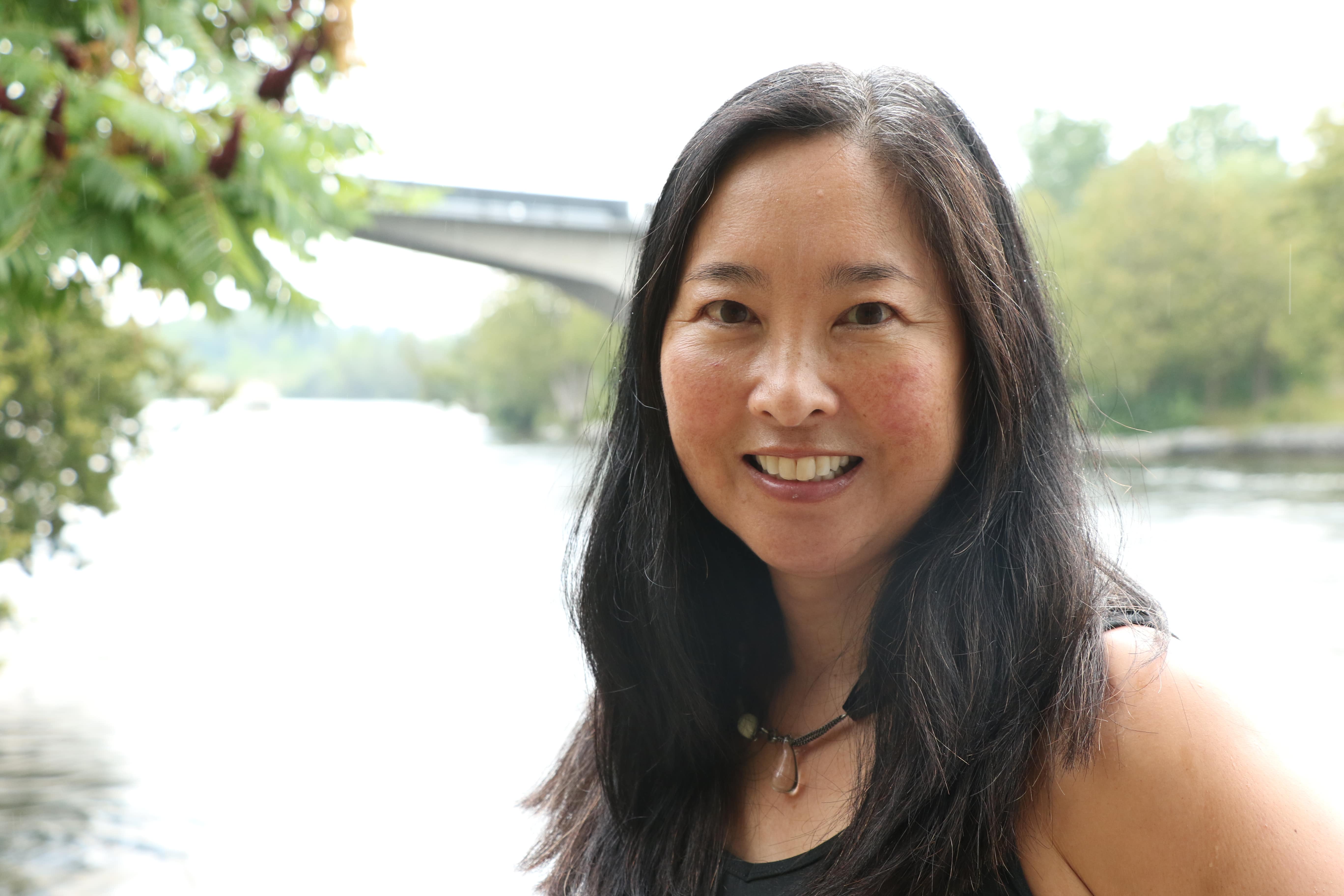
Nadine Changfoot
Professor
BA (York) MA (Carleton) MA, PhD (York)
Research Interests: critical theory (feminist, disability, aging, inter and intrasectionalities), political agency and resistance through art and culture (arts-based research), engaged scholarship (environmental sustainability) in Canada and comparative contexts, and resignifications of Hegel's thought for feminism.
Janice Feng
Assistant Professor (joint Political Studies and Philosophy)
B.A. (University of Alberta), M.A. (University of Victoria), Ph.D. (University of Michigan)
Anthropology Faculty

Paul Manning
Professor
MA, PhD (Chicago)
Research Interests: Linguistic anthropology, anthropology and history, semiotics (the study of signs), cartoons, urban anthropology, anthropology of romance, anthropology of politics, liberalism and neo-liberalism, colonialism, anthropology of technology, nature, mining, landscape, and anthropology of the preternatural (fairies, pixies, monsters, occultism, theosophy).

Anne Meneley
Professor
BA (McGilll), MA, PhD (New York University)
Research Interests: Middle East, Islam, religion and world views, embodiment, ethnographic methods, and histories of anthropology
Gender & Women's Studies

Nael Bhanji
Associate Professor
BAH (Queen's), MA (Toronto), PhD (York)
Research Interests: Trans theory; Affect; Race and Racialization; Necropolitics; Biopolitics; Emotion; Psychoanalysis; Queer theory; Masculinities; Memory and Memorialization; Diaspora; Transnationalism; Political Economies of Violence; Surveillance; Social Justice

Sally Chivers
Professor
BA (Calgary), PhD (McGill)
Research Interests: Disability and Age Studies, mainly connected with Cinema, Literature, TV, and other Media; Crip Culture; Architecture, Literature, and Film; Promising Practices for Long-Term Residential Care, especially creativity and culture; Digital Storytelling; Feminism; Canadian Literature; Activist Art; Austerity.
Jenn Cole
Assistant Professor
B.A. (Trent), M.A. (Trent), Ph.D. (Toronto)
Research Interests: Indigenous Performance as it intersects with settler/Indigenous relations and reciprocal relationship to the land, especially at the site of the Kiji Sibi/Ottawa River in Algonquin Territory.

Kelly McGuire
Associate Professor
Chair of Gender and Women's Studies
B.A. (Queen’s); M.A. (Western); Ph.D. (Western)
Research Interests: Health Humanities and the cultural representation of disease; gender, social justice, and public health; 18th-century world literature; literary theory; cultural history; feminist studies and women's writing
Ancient Greek & Roman Studies
Hugh Elton
Professor
BA (Sheffield), D.Phil (Oxford)
Research Interests: Roman and Late Roman political and military history, and the regions of Cilicia and Isauria in southern Turkey.

George Kovacs
Associate Professor
BA (Trent), MA (Memorial), PhD (Toronto)
Research Interests: Greek poetry of the Archaic and Classical periods, with special interests in Greek and Roman drama and stagecraft, and in the reception of Greek myth in modern popular culture.
History Faculty

Antonio Cazorla-Sanchez
Professor
PhD (Granada)
Research Interests: Modern Spanish History; Fascism and Dictatorships; Modern European History, Transnational History.

Finis Dunaway
Professor
BA (University of North Carolina at Chapel Hill), PhD (Rutgers University)
Research interests: United States, Canadian, and global environmental history; media and visual culture; the American West; Arctic history
School of the Environment Faculty

Stephanie Rutherford
Associate Professor
BA (Toronto), MSc (Guelph), PhD (York)
Research and Teaching Interests: Cultural politics of nature, Political ecology of wolves in Canada, Political theory and the environment, Environmental justice. Stephanie teaches in the broad areas of human-animal relations, political ecology, and environmental justice. Stephanie is committed to challenging and nurturing students, not as passive recipients of knowledge but in a lifelong learning process that can equip them to be critical of the world as it is, and seek to change it for the better.
School of Education Faculty

Karleen Pendleton Jiménez
Professor
BA (UC Berkeley), MFA (San Diego State), PhD (York)
Research Interests: gender, sexuality, ethnicity and narrative
French & Francophone Studies

Sylvie Bérard
Professor
MA (Montreal)
Champs de spécialisation : littérature québécoise, littérature des femmes, science-fiction et fantastique, sémiotique
International Development Studies Faculty
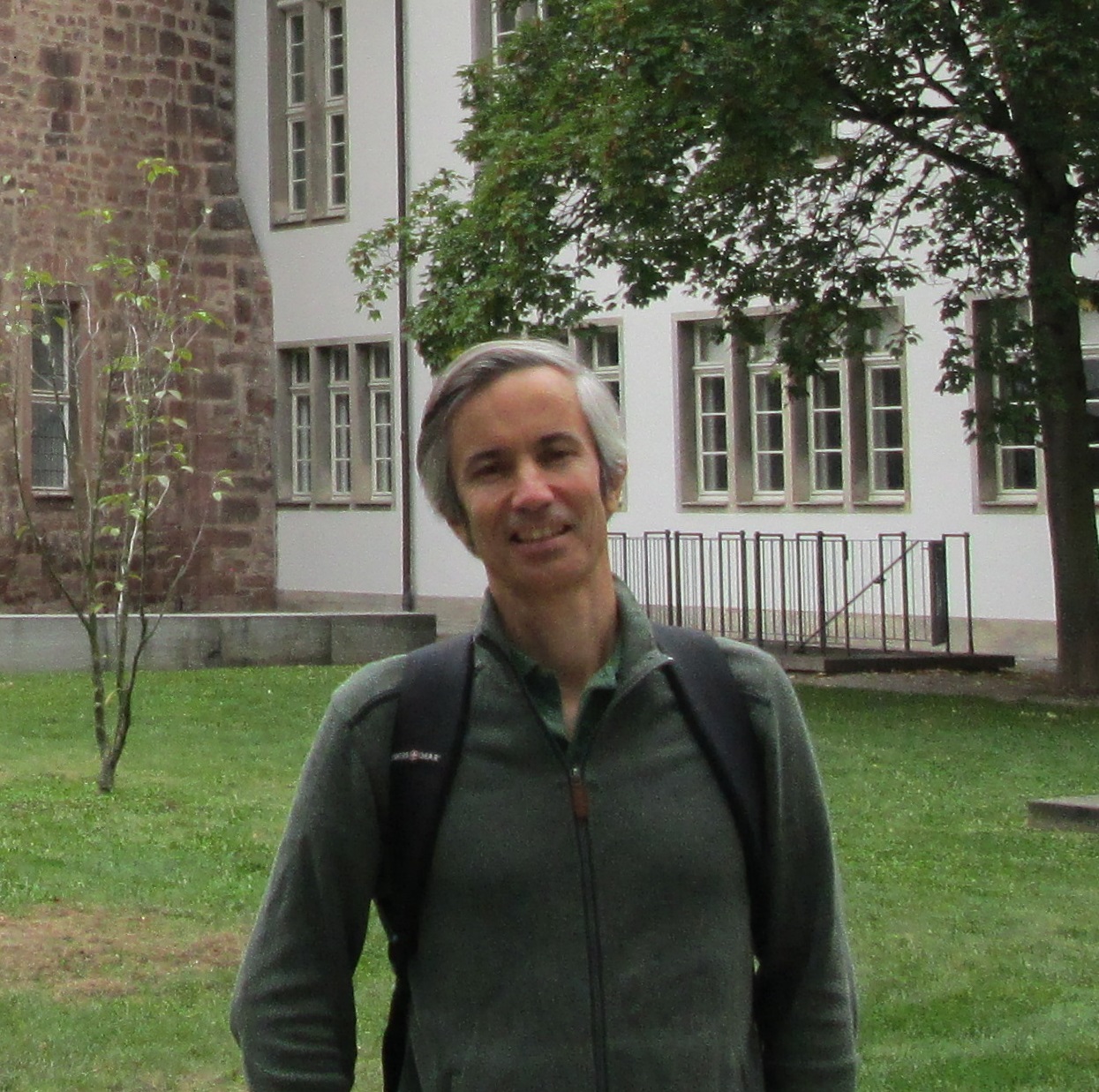
Christiaan Beyers
Associate Professor
BA (Trent), MA (York), D.Phil. (Sussex)
Research Interests: Citizenship, rights and identity; Forced migration; Transitional justice; Memory and memorialization; Land struggles in South Africa; Migration in the Andes; Bakhtin.
Trent Centre for Language and Linguistics
Martin Boyne
Assistant Professor
BA (Trent), MA (Toronto), PhD (Lancaster)
Research Interests: stylistics, specifically linguistic creativity in twentieth-century "speculative" fiction, stylistic analysis of non-literary texts
Durham Campus Faculty
Christopher Cwynar
Assistant Professor and Program Coordinator, Communications
B.A. (Mount Allison University), M.A. (Western University), Ph.D. (University of Wisconsin-Madison)
Research Interests: Public service media; podcasting and audio media; popular music; national identity; strategic communication

Scott Henderson
Vice-President Trent Durham
BA (Trent), MA, PhD (East Anglia, England)
Research Interests: music and locality, youth culture, popular culture and identity, British cinema and popular culture, and Canadian popular culture
Adjunct Faculty
Emilia Angelova
Associate Professor, Philosophy, Concordia University
BA, MA (Sofia, Bulgaria), MA, PhD (Toronto)
Her research is in 20th Century Continental Philosophy, focusing especially on Heidegger, Derrida, Nancy, and French Feminist theory, in relation to 19th Century philosophy, particularly Hegel and Kant. Her interests involve themes such as selfhood, temporality, freedom, affect, gender and sexuality, and the imagination.
emilia.angelova@concordia.ca
Brent Bellamy
Assistant Professor, English
BA, MA (Trent), PhD (Alberta)
Research Interests: American Literature & Culture, Literary Criticism (Literary & Genre Theory), Science Fiction Studies, Apocalyptic and Post-Apocalyptic Narrative, Critical Theory (Marxism & Feminism), World-Systems Theory, Energy Humanities (Petrocultures), and Environmental Humanities
bbellamy@trentu.ca
Emily Bruusgaard
Assistant Professor
B.A. (Waterloo), M.A. (Trent), Ph.D. (Queen's)
Research Interests: Canadian literature, Indigenous literatures, particularly contemporary poetry; American women's literature; material culture and narratives of domestic production, needlework and textiles; mental illness and generational trauma; Martha Ostenso; Laura Goodman Salverson; Sara Jeannette Duncan; Nella Larsen; Edith Wharton
emilybruusgaard@trentu.ca
Richard Cousins
Sessional Faculty Member
BA, MA (Ottawa), PhD (Trent)
Research Interests: history of ideas, historiography, animation and comics, radio, sound design, alternative and avant-garde theatre, absurdism, surrealism, nonsense literature, “low” comedy and parody, pop culture, kitsch
rcousins@trentu.ca
Michael Eamon
Principal, Catharine Parr Traill College
BA Hon. (Ottawa) MA(Queen’s), M.Phil (Cambridge), PhD (Queen’s)
Research Interests: Print Culture, Enlightenment, Cultural and Intellectual History.
michaeleamon@trentu.ca
Mara Heiber
Assistant Professor
PhD (Trent)
mheiber@trentu.ca
Katrina Keefer
Adjunct Professor
BA, MA (Trent), PhD (York)
Research Interests: Cultural history; body marking; Identity; African history; Classical history; Intellectual history; the history of slavery globally; missionary education and development; representation within games
katrinakeefer@trentu.ca
Karl Manis
Assistant Professor, Media Studies
Degrees: B.A. (Carleton University), M.A. (University of British Columbia), Ph.D. (University of Toronto)
Research Interests: media theory and history; contemporary fiction; practices of reading; digital culture; screen and sound studies.
karlmanis@trentu.ca
Michael Morse
BA (McGill), MA, PhD (York)
Research Interests: Working on a book on the fundamental concepts of music sociology, and smaller projects on the history of ideas (working with Schmitt, Weber, and Foucault texts), ensemble rhythm, discourse and logical theory (texts of Frege, Wittgenstein, Burke, Saussure), and the principles of dance and song as social action. He remains active as a composer, bassist, and bandleader.
mmorse@trentu.ca
Madison Moore
BA, MA (York), PhD (Trent)
mamoore@trentu.ca
Emeritus Faculty
Jonathan Bordo
MA (McGill and Alberta), MA, MPhil, PhD (Yale)
Research Interests: Cultural history and theory grounded in the philosophical, scientific, religious and aesthetic culture of early modernity (1450–1710) with special interest between picturing, testimony, institutions of memory, and the interdisciplinary study of landscape.
Victoria de Zwaan
BA (Trent), MA (McGill), PhD (Toronto) vdezwaan@trentu.ca
Research Interests: Experimental and speculative fiction, literary theory, cultural theory, history and development of cultural studies, adaptation studies, aesthetics.
John Fekete
MA (McGill), PhD (Cambridge)
Research Interests: literary and cultural theory, Anglo-American and European, esp. modern and post-modern, science fiction, the technological imaginary, moral panic, biopolitics.
David Holdsworth
BSc (Waterloo) MSc (McMaster) PhD (Western Ontario) dholdsworth@trentu.ca
Research Interests: Observation and representation in physical theory; valuation and interpretation of mathematics; the (algebraic) topos as site of theory; political discourses and cultural organization of scientific community; interdisciplinary and professional practice within post-modern culture; environmentalism as a moral discourse.
Veronica Hollinger
BA (Marianopolis), MEd (Newcastle), MA, PhD (Concordia) vhollinger@trentu.ca
Research Interests: science fiction and the climate crisis; Chinese science fiction; nonhumanism and posthumanism; intersections of subjectivity and technoscience; theories of performance, representation, and spectacle
Ian McLachlan
BA, MA, English, Oxford University, UK imclachlan@trentu.ca
Research Interests:History of theatre; performance theory; play writing, trade and the exchange of technology in pre-historic Southeast Asia.
Elaine Stavro
BA MA PhD (Toronto) estavro@trentu.ca
Research Interests: Feminist theory; contemporary French philosophy; reproductive technology.
Andrew Wernick
MA (Cambridge), MA, PhD (Toronto)
Research Interests: modern and post-modern social and cultural theory, religion, and post-commodification and culture.